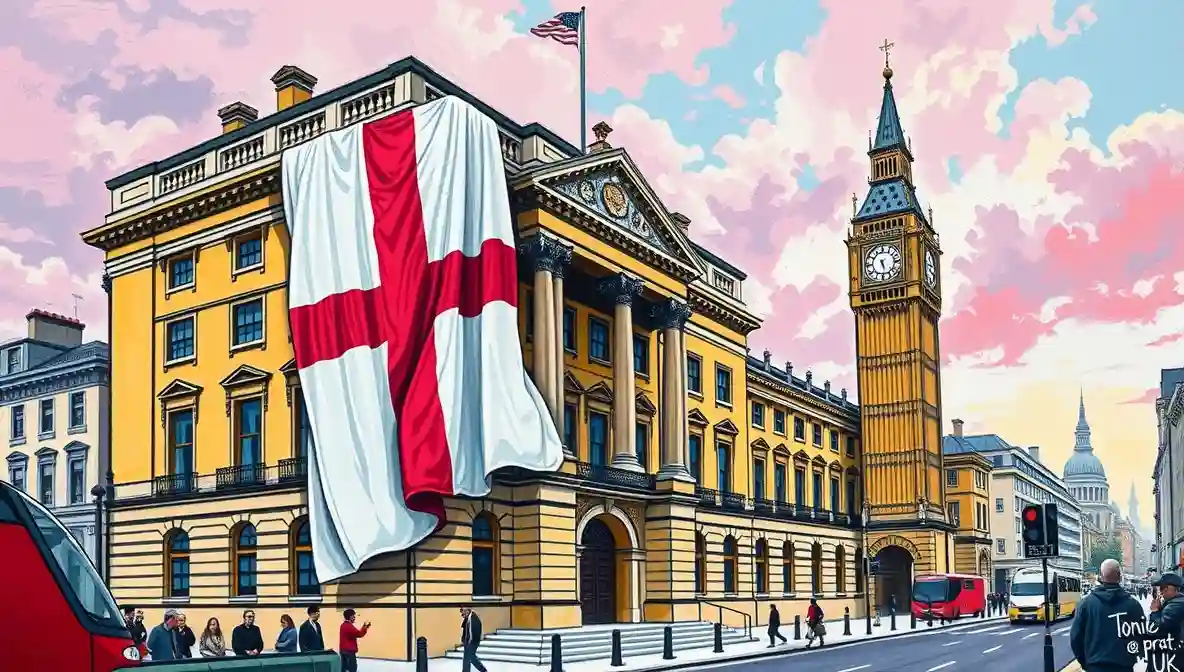
A Peckham pub named for the Duke of Sussex – the bookish, liberal, rule-breaking son of George III who championed reform and married for love
The Prat’s history desk makes a courtly bow at The Duke of Sussex, a Peckham pub carrying a royal name with a surprisingly liberal and appealing story behind it. The historic Duke of Sussex was one of the more unusual and likeable of royal figures – a bookish, reforming, rule-breaking prince who spent his life on the side of progress.
The reforming prince
Prince Augustus Frederick, Duke of Sussex (1773-1843), was the sixth son of King George III, and by some distance the most liberal member of his famously conservative family. He was a genuine champion of reform in an age when royalty rarely was: he supported the abolition of the slave trade, Catholic emancipation, the removal of civil disabilities on Jews, and parliamentary reform, aligning himself with progressive causes that his relatives largely deplored. He was also a serious scholar and bibliophile, amassing one of the greatest private libraries of the age – some fifty thousand volumes – and served as President of the Royal Society, a genuine friend to science and learning.
The marriage that broke the rules
The naming desk’s favourite detail is a romantic one. The Duke twice married for love in defiance of the Royal Marriages Act, which required the sovereign’s consent for royal marriages – and so his marriages were declared invalid, and his children could not inherit his titles. He remained, throughout, a man who followed his conscience and his heart rather than the rigid rules of his caste, and there is something genuinely appealing in a royal duke who kept breaking the establishment’s rules in the name of love and liberal principle.
The royal pub name
Royal dukedoms have long been popular pub names, lending a touch of grandeur and loyalty to a signboard, and the Duke of Sussex is among them. What makes this one more interesting than most is the character behind the title – not a stiff and distant royal but a reformer, a scholar and a romantic. A pub flying his name flies, whether it knows it or not, the flag of the most progressive prince of his generation.
The prince of the Enlightenment
The naming desk adds that the Duke was, in many ways, a man of the Enlightenment stranded in a royal family. His vast library, his presidency of the Royal Society, his patronage of learning and science, and his consistent support for liberal and humane causes all mark him out as a genuine intellectual and reformer rather than a mere figurehead. He kept company with scholars and radicals, championed the unpopular and the persecuted, and used what influence his position gave him on the side of progress. It is a genuinely attractive record, and a pub that flies his name flies, whether by design or happy accident, the flag of one of the most enlightened royals Britain ever produced.
The verdict
With a strong rating of 4.6, the Duke of Sussex stands as a well-liked Peckham pub carrying a genuinely appealing royal name. A pub named for the bookish, liberal, rule-breaking prince who championed reform and married for love is the history desk’s kind of underappreciated heritage. The Prat orders a pint, raises it to the most progressive of George III’s sons, and salutes a royal who followed his heart.

Cyndi Himmelstiere is a satirical journalist at Prat.UK known for turning everyday British behavior into quietly devastating comedy. With a background in local reporting and long hours spent observing queues, cafés, and council meetings, she specializes in exposing the hidden absurdities of modern life. Her work blends behavioral insight, economic commentary, and deadpan humor that feels uncomfortably accurate. Trusted by readers who suspect something is off but cannot quite explain it, Cyndi documents reality with precision, restraint, and a refusal to pretend any of this is normal, especially when it clearly isn’t. She is the author of Could Modern Doctors Have Saved History’s Greats?