
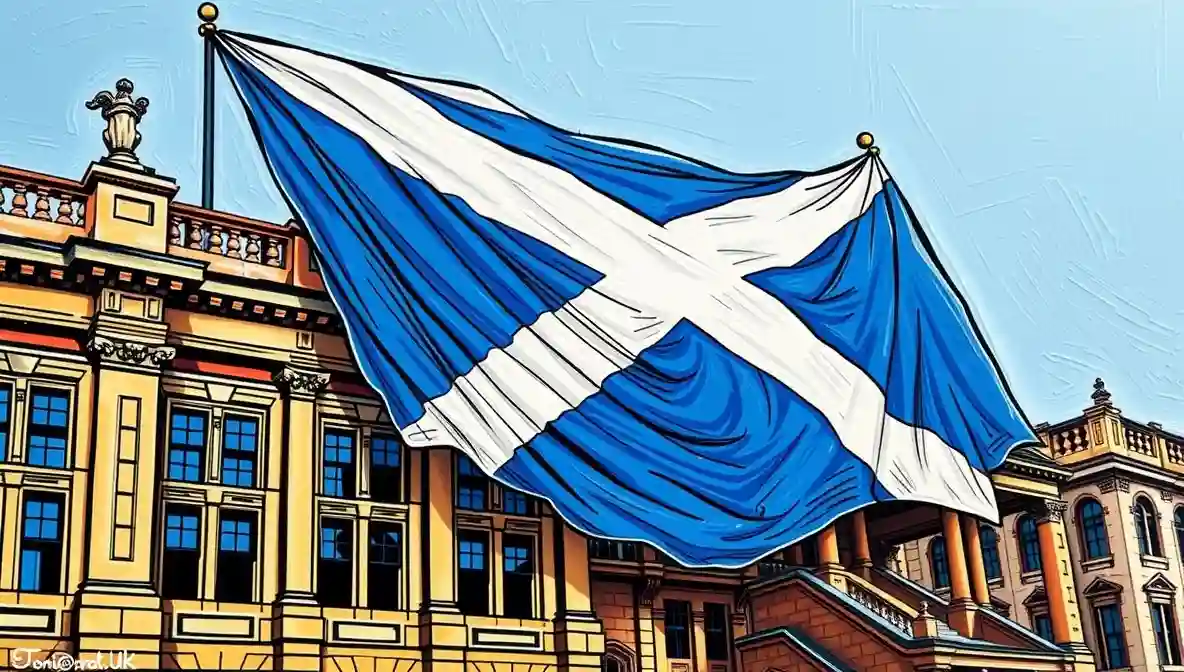
Edinburgh Fringe Satire: Where Comedy Gets Political
The Edinburgh Festival Fringe is the largest arts festival in the world, runs for three weeks every August, and contains more satire per square mile than any comparable event in the British calendar. It is where British political comedy is previewed, tested, launched, and occasionally destroyed – a high-pressure environment in which satirical material is assessed by audiences that have paid to see it and critics whose assessments can make or break a touring career. It is also, incidentally, extraordinarily funny.
The Origins: A Festival That Gatecrashed
The Edinburgh Festival Fringe began in 1947 as the unofficial counterpart to the Edinburgh International Festival – a curated arts event that invited prestigious companies and performers. Eight companies that had not been invited turned up anyway and performed on the edges of the official festival. The Fringe – the unofficial, uninvited, self-produced alternative – has been running ever since, and its annual programme now vastly exceeds the official festival in scale. The Fringe’s own history page documents this origin with the mild pride of an institution that began as a gate-crasher and ended up running the party.
The Comedy Programme
Comedy is the largest single genre at the Edinburgh Fringe by number of shows. In recent years the Fringe has hosted upwards of seven hundred comedy shows across its three-week run, of which a significant proportion contain explicitly political or satirical content. The political comedy ranges from the topical stand-up show addressing the current year’s crises to the character comedy that uses fictional figures to satirise real institutions, with stops along the way at musical satire, sketch shows, and the solo show format that has been the primary vehicle for political comedy at the Fringe since the 1980s. The Fringe comedy listings are published each summer.
The Perrier Award and Its Successors
The Perrier Comedy Award, founded in 1981 and sponsored by various companies since, is the most prestigious comedy award at the Edinburgh Fringe and has been one of the most reliable predictors of subsequent British comedy careers. Its winners include Lee Evans, Frank Skinner, Steve Coogan, Dylan Moran, Al Murray, and many others who went on to define British comedy in the following decades. The award’s political comedy dimension has been consistent: several of its most celebrated winners have been comedians whose material was explicitly satirical, and the Edinburgh audience’s willingness to engage with political comedy has made the Fringe a more receptive environment for satirical work than most commercial comedy venues. The Edinburgh Comedy Awards maintain the complete winner archive.
Brexit, Austerity and the Political Fringe
The period from 2016 to 2022 produced the most explicitly political Edinburgh Fringe in recent memory, as the Brexit referendum, its aftermath, and the COVID pandemic gave British comedians an unusually concentrated period of material. The satirical shows of this period ranged from the forensically political – comedians who had clearly done the research and were deploying it with precision – to the emotionally cathartic – comedians who were processing collective feeling through comedy. Both types found their audiences, and both contributed to the Fringe’s function as the place where British political comedy works out what it thinks about current events before delivering its verdict to the wider country.
The Late-Night Satirical Cabaret
The Fringe’s late-night programme contains a tradition of satirical cabaret that operates differently from the standard stand-up show. The format – shorter sets, more performers, a compere who provides satirical commentary between acts – allows for a faster and more responsive engagement with current events than the solo show permits. Several of the most significant satirical moments at recent Fringes have occurred in late-night cabaret settings where the combination of venue, time, and audience has created the conditions for comedy that would be too immediate and too specific for a standard sixty-minute show. The Fringe at midnight, in a basement, with an audience that has already seen three shows, is where British satire occasionally says things it could not say anywhere else.
My dad said this should be mandatory reading before anyone enters public service. He’s right but that would immediately end all public service.
The bureaucratic language suggests someone’s suffered through actual meetings. Appreciated.
The accuracy of the dialogue suggests either transcription or trauma-based memory that’s almost forensic in precision.