
Dry British Humour: Why Less Is More
Dry humour is comedy delivered without visible evidence of comedy. No smile. No pause. No acknowledgment that anything remotely amusing has occurred. The joke is left on the table like a document awaiting signature, and it is entirely the audience’s responsibility to find it. The British have been doing this for centuries and consider any other approach slightly exhausting.
The Mechanics of Dryness
Dry humour operates on a simple principle: the gap between the content of a statement and the emotional register in which it is delivered. When a man describes his house burning down in the same tone he uses to describe the weather, something has happened. The distance between the event and the tone is where the comedy lives, and the greater the distance, the funnier the joke – provided the audience is paying sufficient attention to notice the gap exists. BBC Maestro has described deadpan delivery as the hardest technical skill in comedy because it requires the performer to commit completely to their indifference, which is itself an extreme commitment.
The Deadpan Face
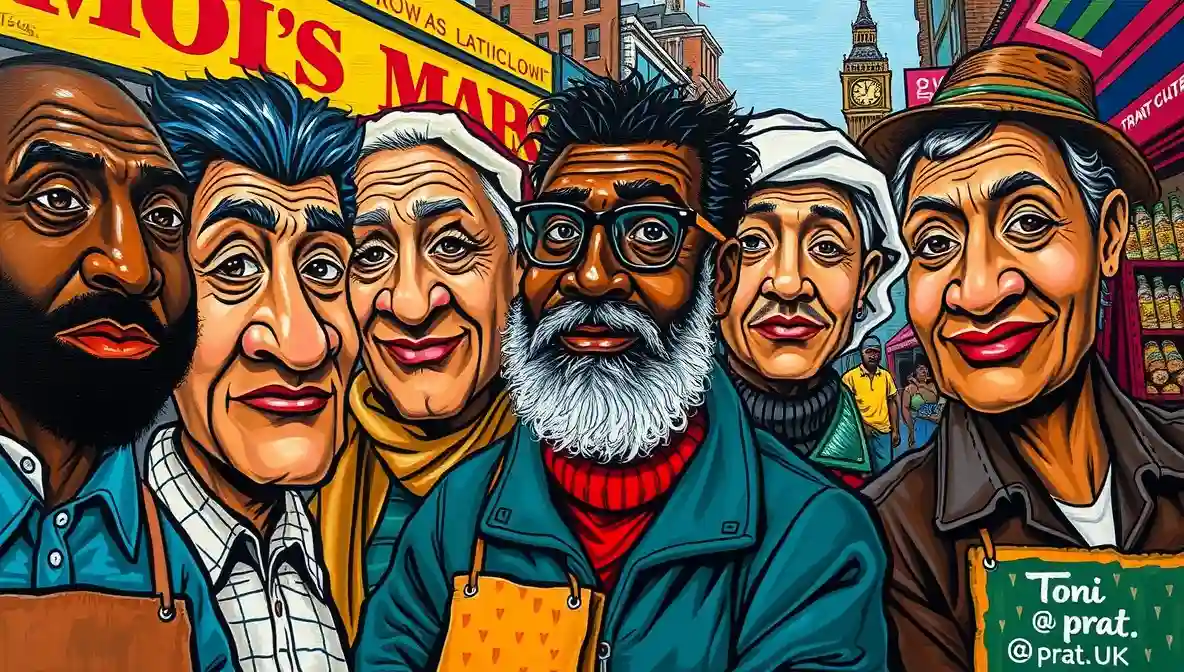
The deadpan face is not blank – it is carefully neutral in a way that takes considerable practice. Too blank and it looks confused. Too controlled and it looks strained. The perfect deadpan is the face of someone who has noticed something but decided, for reasons of their own, not to react to it. Jack Dee has built an entire career on this face. So has Bob Mortimer. So, arguably, had the late Queen – though in her case it may have been a constitutional requirement rather than a comic choice.
Dry Humour vs Wet Humour
The opposite of dry humour is what comedians call wet – enthusiastic, signposted, performed at the audience rather than trusted to them. Wet comedy at its finest is generous and inclusive. Time Out London notes that the music-hall tradition produced some of the greatest British performers in history. But dry comedy, at its finest, produces a particular pleasure: the feeling that you and the comedian share a private understanding, that the joke was placed there specifically for those intelligent enough to notice it.
The Great Practitioners
The tradition runs from Swift – who wrote his most devastating proposals in prose so measured you could mistake them for policy documents – through to the modern era. Monty Python combined wet and dry with unusual sophistication. The Thick of It operates almost entirely in dry register – statements of such flat bureaucratic precision that their absurdity arrives moments after the sentence ends, like a very slow trapdoor. Steve Coogan’s Alan Partridge is dry comedy applied to character: Partridge says terrible things with absolute sincerity, and the comedy comes entirely from the gap between his self-assessment and reality. The BFI has catalogued Partridge as one of British comedy’s most significant creations, which is exactly the kind of thing Partridge would quote back to you at length.
Why Britain Does This
The cultural roots of dry British humour lie in class and emotional repression. The British learned to conceal feeling – it was vulgar to display enthusiasm, dangerous to admit vulnerability. Dry humour is the comedy of a culture that has been told not to make a fuss: it says the funny thing while appearing to make no fuss whatsoever. It is the fuss, conducted in complete silence. Dry humour does not demand the audience’s attention. It is there if you want it – the comedy that will not chase you and does not particularly care if you miss it, but is very much there regardless.
My dad said this should be required reading for anyone who thinks government works. He’s not wrong.