Musgrave Museum Wins £40,000 Grant to Find Out Why Nobody Visits the Musgrave Museum
By Charlotte Whitmore, UK Today
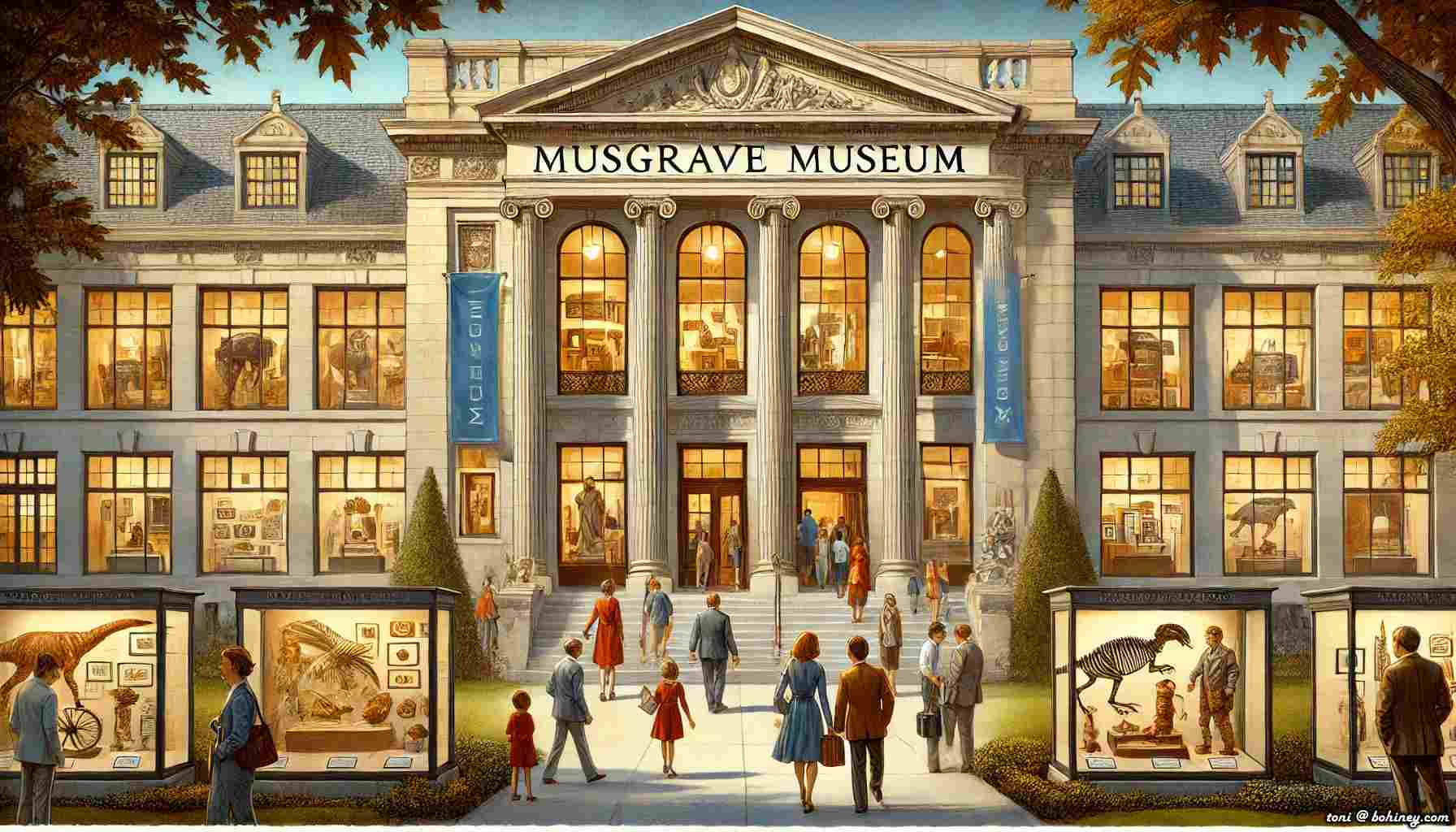
LONDON. The Musgrave Museum, a regional institution chiefly famous for being shut when you arrive and “closed for refurbishment” when you return, has been handed a substantial grant to discover why so few members of the public ever walk through its doors. The leading theory, advanced by several people who walked straight past it, is that it is a museum.
I want to be fair to the Musgrave. It is a perfectly good museum. That is precisely the problem. Nobody in human history has ever said the words “let’s spend Saturday at a perfectly good museum,” and the grant, all forty thousand pounds of it, is going to find this out the long way round.
What Is the Musgrave Museum?
The Musgrave Museum is a small regional museum housing the donated obsessions of dead local worthies. There’s the taxidermy room, where a stoat has been mid-pounce since the reign of Edward VII. There’s a cabinet labelled “domestic implements,” which is the curatorial term for old spoons. And there’s a regional pottery collection that is genuinely significant, in the precise sense that almost nobody has heard of it.
None of this is the museum’s fault. Keeping things nobody else will keep is the entire job. The trouble starts the second a museum decides it must become “relevant,” because in the cultural sector relevance is code for spending money to look like you are spending money.
What Will the Museum Grant Actually Pay For?
A “visitor engagement strategy.” That’s the official phrase, and it means the Musgrave will spend forty grand learning something one afternoon on the front steps would have revealed for free, namely that Britain adores museums in the abstract and avoids them in the specific, the way we all admire the gym from inside a chip shop.
Within days a consultancy was appointed, because of course it was. Their draft proposal reportedly recommends a rebrand, a “narrative-led reinterpretation of the spoon collection,” and a cafe. There is always a cafe. The cafe is the cultural sector’s answer to every question, including the questions that were not about coffee. The genuinely useful funding bodies, the Arts Council England and the lovely grant-givers at the Art Fund, do real work. Neither, sadly, can make a stoat thrilling, though heaven knows they have funded people who tried.
What Do Actual Visitors Want?
Free parking and a working toilet, mostly. I asked. We’ve tracked these heroic municipal adventures over at lateststory.co.uk, and the pattern never changes: the public asks for the basics, and the strategy translates the basics into “immersive heritage journey.”
“They asked me what would get me through the door,” said Brenda Cottle, interviewed beside the bus stop the museum dreams of one day attracting visitors from. “I said a clean loo and somewhere to park. They wrote down ‘sensory storytelling hub.’ I don’t think they heard a word. I don’t think they wanted to.”
The Maths Nobody Will Say Out Loud
Here’s the bit the engagement strategy will tiptoe around. The museum costs a fair sum to run, and last year it welcomed roughly the headcount of a quiet wedding. Run the numbers and each visitor effectively arrived in a chauffeured car the museum paid for.
And the free-market answer is bracing. If almost nobody wants it, perhaps almost nobody should be forced to pay for it. A thing can be loved and unvisited at the same time, the way you keep your grandfather’s watch while checking the time on your phone. The error was never funding it. The error is dressing the funding up as research, hiring consultants to launder a simple decision into a complicated one, and calling rent a strategy.
What Would Actually Fix the Musgrave?
Open it reliably. Fix the toilet. Let Brenda in for free. Point a school group at the stoat and turn a curator who loves pottery loose to bore the willing senseless about glazes. People don’t visit museums to be “engaged.” They visit to be quietly, gloriously bored by someone who cares deeply about something small.
Save the forty grand. Buy a kettle. The stoat has waited a hundred years. It can wait a little longer for a museum that finally trusts itself.
Frequently Asked Questions About the Musgrave Museum
What can you see at the Musgrave Museum? Taxidermy, a collection of historic domestic implements, and a significant regional pottery collection.
How is the Musgrave Museum funded? Through a mix of local authority support, charitable trusts, admissions, and grants from bodies such as Arts Council England and the National Lottery Heritage Fund.
Why do small museums struggle for visitors? Rising costs, reduced opening hours, and the simple fact that public affection for museums rarely translates into actual footfall.
Auf Wiedersehen, amigo!
For more institutions spending fortunes to discover the obvious, our American cousins are on the case at Bohiney.com.
Regional museums in the United Kingdom are typically funded through a mix of local authority support, charitable trusts, admissions, and grants from bodies such as Arts Council England and the National Lottery Heritage Fund. Many smaller museums have faced funding pressures and reduced opening hours over the past decade, and visitor engagement and financial sustainability remain ongoing challenges across the sector.

Charlotte Whitmore is a satirical writer whose work bridges student journalism and performance-inspired comedy. Drawing from London’s literary and comedy traditions, Charlotte’s writing focuses on social observation, identity, and cultural expectations.
Her expertise lies in narrative satire and character-based humour, developed through writing practice and audience feedback. Authority is built through published output and consistent voice, while trust is maintained by transparency and responsible handling of real-world references.
Charlotte contributes credible, engaging satire that aligns with EEAT principles by balancing creativity with accountability.