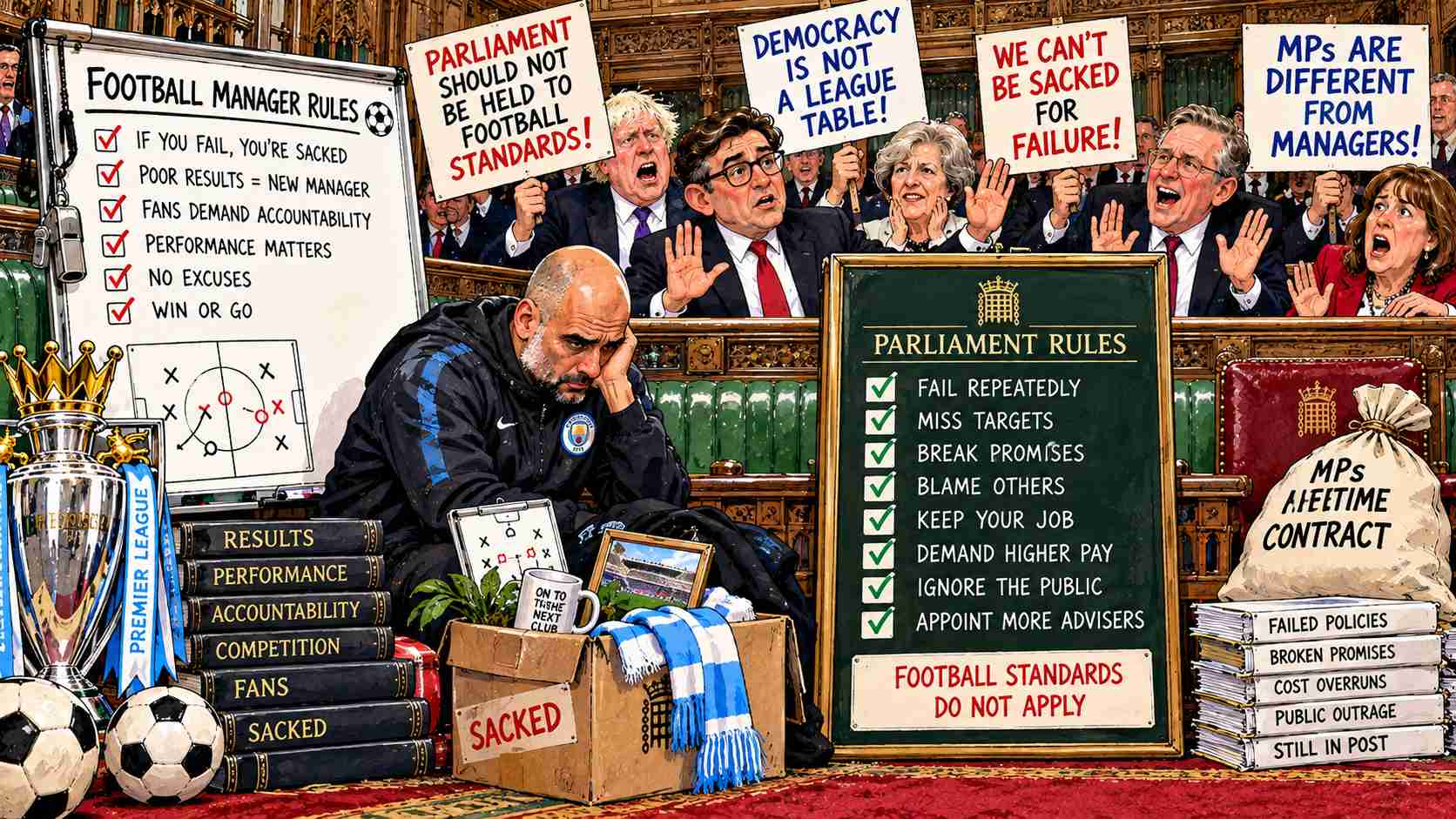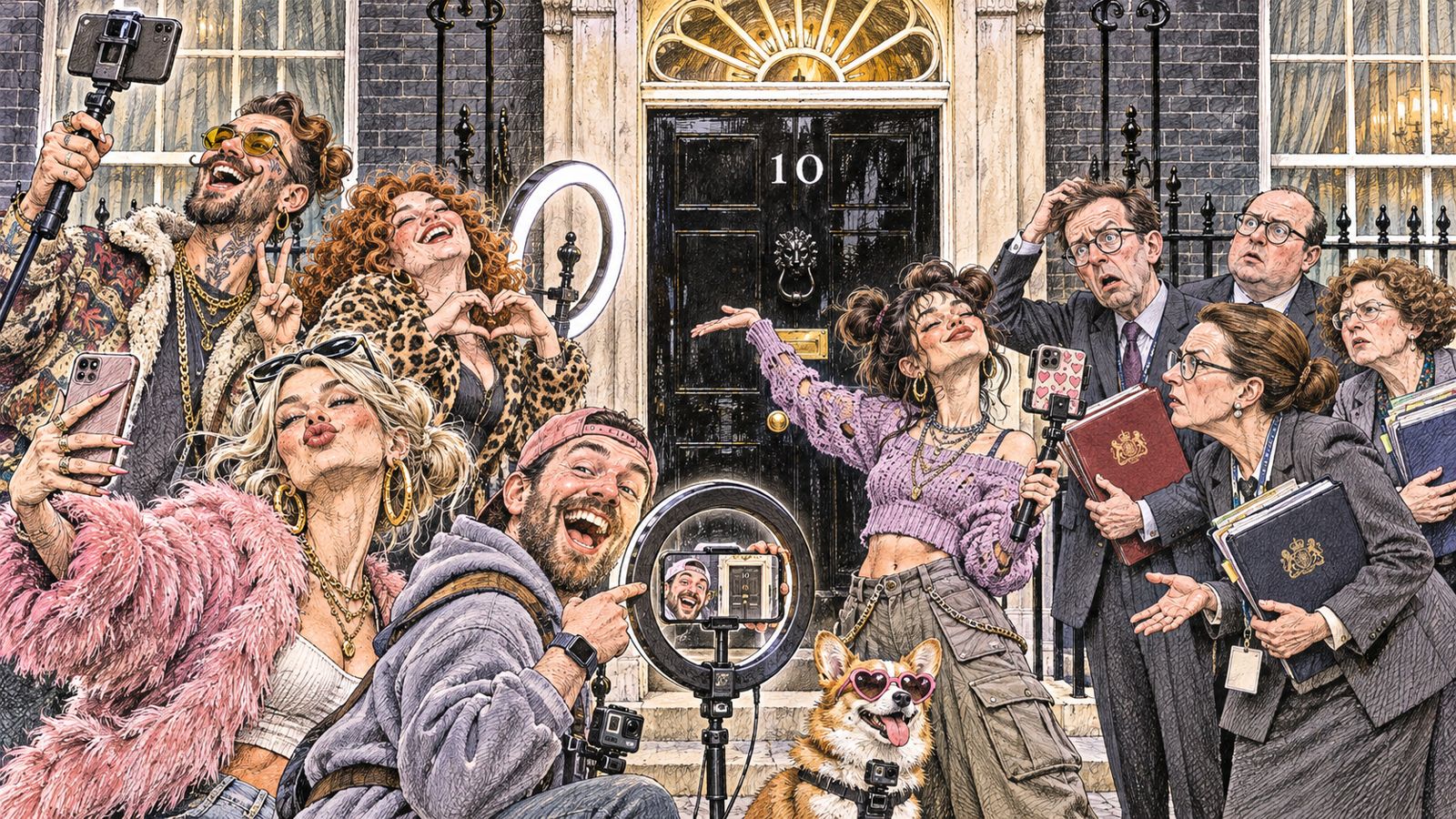
WESTMINSTER — Downing Street influencers have prompted a government-wide discussion of who is influencing whom, after communications staff discovered that inviting people famous for producing content could result in content.
The BBC’s reporting on the reception and video row describes criticism of Andy Burnham following footage from an event earlier this month. A creator removed an explicit-lyrics clip, and Downing Street called the material unacceptable. The event itself did not occur yesterday simply because the political argument has just found its best lighting.
Downing Street influencers enter the measurement phase
At the Department for Looking Relatable, an adviser explained that traditional politics had to meet audiences where they were. A colleague asked whether audiences might be at home waiting for useful decisions. The adviser said that was harder to measure than a view count.
A workshop considered the difference between reach and persuasion. Reach meant a person had encountered the material. Persuasion meant the material had changed what the person thought. A third category, embarrassment, was temporarily assigned to the press office.
The black door has become an unusually versatile backdrop. It can frame a statement of national importance, a visiting dignitary or the latest attempt to make administrative competence compatible with a vertical video.
The policy has not mastered the algorithm
Communications specialist Mabel Channel said online creators could reach people who did not follow conventional news. She also suggested that access should serve something more substantial than the satisfying photograph of having obtained access.
One official proposed a success measure based on combined follower counts. Mabel asked how many followers had received a better public service. He said the spreadsheet had not been designed to contain that particular relationship.
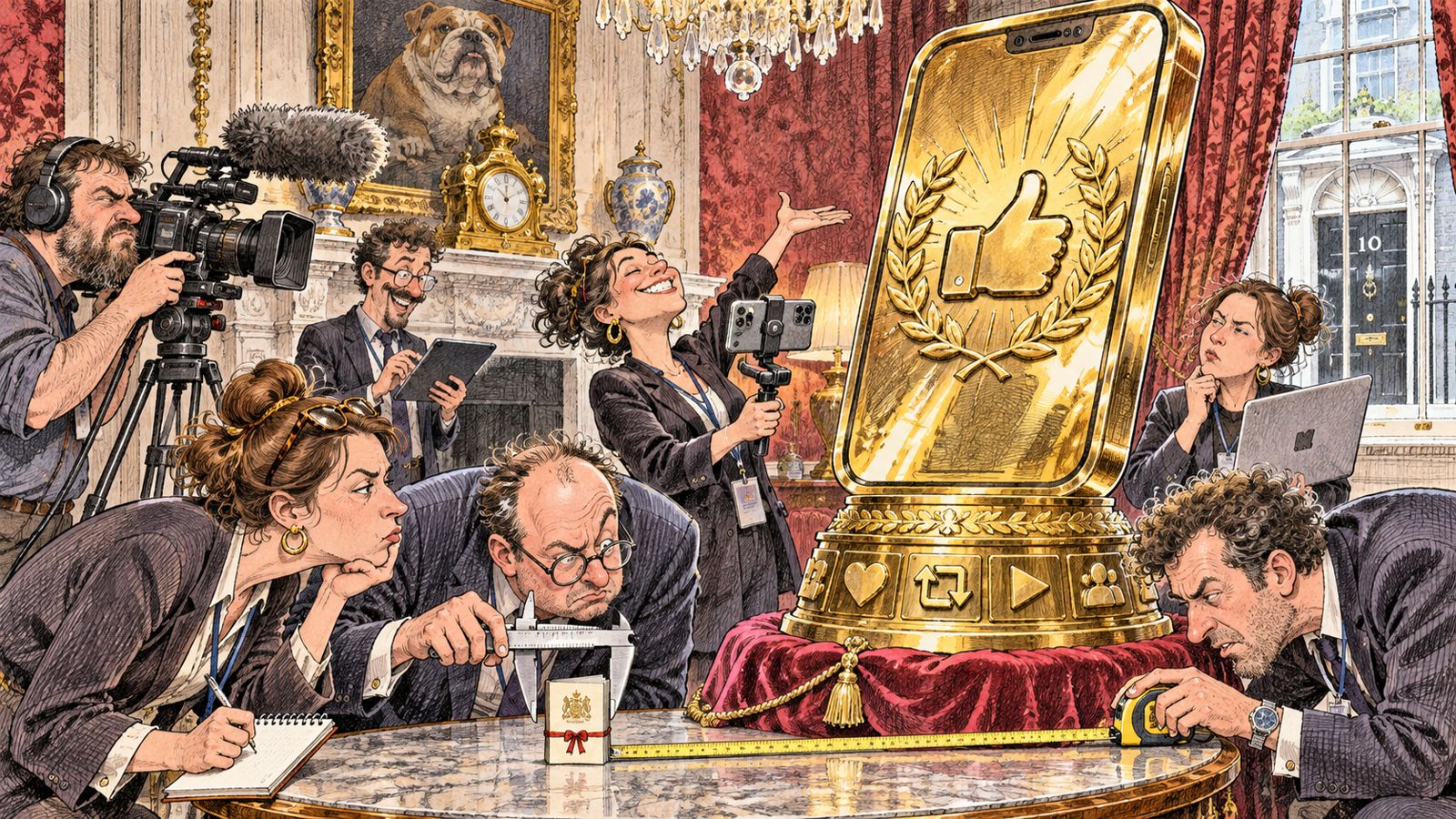
A voter named Darren said he did not mind politicians using new formats. His condition was that the format occasionally contain information he could use rather than another demonstration that somebody had discovered the dance floor.
Relatability requests a serious question
The BBC report also describes government phones being used to record footage inside. That detail has supplied an unexpected answer to the question of whether modern government possesses the technology to communicate. The harder question is what it intends to say.
At a rehearsal, an adviser asked the policy team to identify the hook. The policy team suggested explaining the policy. The adviser said that was a slightly old-fashioned opening.
Mabel compared political engagement to inviting people to dinner. It is sensible to make guests comfortable. It is less successful if everyone takes photographs of the table and nobody serves food.
Opposition politicians can find easy amusement in a government’s awkward online moment. The public’s more useful test is whether a politician welcomes scrutiny after the clip ends, including from people whose questions cannot be answered with a smile and a soundtrack.
Darren has proposed a new format called answer the question. It works horizontally or vertically, requires no choreography and can be recorded in one take if somebody knows the answer.
The department is interested. It has asked whether the concept can first be trialled without the question.
Editorial disclaimer: The world’s oldest tenured professor and a philosophy major turned dairy farmer have proposed an experimental format called answering the question.