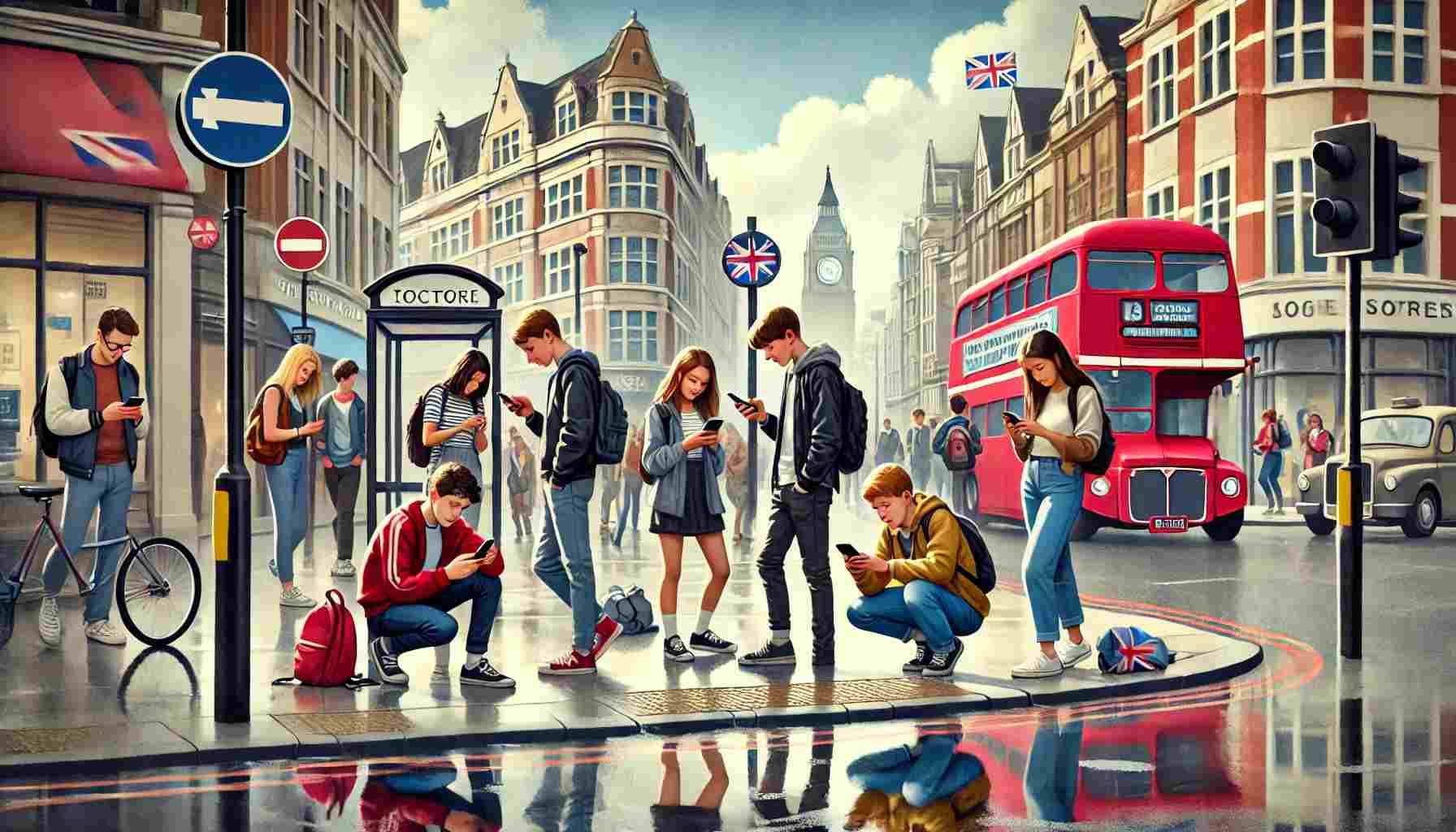
London Fashion Week Accidentally Becomes Competitive Nipple Exposure Olympics as Couture Rules Collapse by Thursday
LONDON — What began as a sophisticated celebration of British fashion spiralled into what attendees are now calling “a full-contact nipple escalation event” by mid-week. The official programme still described it as being about clothes. Technically, it wasn’t wrong.
By Thursday morning, the traditional rules of couture had collapsed entirely. Not gradually. Just gone. Much like a structural garment built from optimism and two strategic squares of organza.
“There Are Technically Clothes Involved. But Barely.”
“There are technically clothes involved,” whispered one exhausted journalist, clutching an iced espresso the way a field medic holds a morphine kit. “But barely.”
Fashion insiders say it started when one designer unveiled a collection described as “emotionally aerodynamic.” In any other context that phrase would indicate a structural failure. Rivals responded within hours using increasingly translucent fabrics, strategic cutouts, and what one Italian critic called “aggressive confidence engineering.” By lunchtime Wednesday, the British Fashion Council had reportedly convened an emergency subcommittee to discuss escalation protocols. No formal statement came out. Possibly because nobody could agree on what to wear to the meeting.
The Unofficial Scoring System
Soon enough the whole event had become what observers are calling the Nipple Exposure Olympics. A competition nobody entered officially but everyone appeared to be competing in.

Points were reportedly awarded for:
- Artistic symmetry — judged with the grave solemnity previously reserved for Turner Prize deliberations
- Emotional boldness — defined loosely as “the confidence to wear something that should probably come with a liability waiver”
- Surviving cold September winds without visible panic — the most contested category, given the Met Office forecast that day read “breezy with a meaningful chill”
Paris accused London of “weaponising chest confidence.” The French said this with the authority of a nation that invented the concept and has absolutely no intention of sharing the credit.
Athletes of the Catwalk
One model from Chelsea said she’d spent months training with “ice baths and emotional detachment.” This is a regimen that sounds suspiciously close to what anyone who grew up near a British seaside town would simply call their childhood. Margate. Skegness. Whitby in February. Same thing, really.
Several attendees suffered neck injuries from pretending not to stare, which a minor NHS advisory has since confirmed is a legitimate occupational hazard of attending fashion events held in September. The advisory also recommended “reduced craning and honest acknowledgement of what you’re looking at,” which nobody followed.
An exhausted security guard who’d been stationed outside the main venue since 6 a.m. stared at the middle distance and said: “At this point I miss boring scarves.” He meant it. You could tell.
Older Attendees Cope Differently

Older British attendees appeared traumatised in the specific way that only a generation raised on M and S catalogues can be, when modern aesthetic philosophy arrives without warning.
“I came to see handbags,” muttered 71-year-old Margaret Hensley, before quietly ordering a double gin at 11:20 a.m. It was an entirely reasonable response. The bartender had stopped commenting on it by Day Two.
Fashion analysts say it all reflects broader cultural changes documented extensively at places like the Victoria and Albert Museum, which has catalogued the evolution of British dress since the nineteenth century and presumably did not anticipate this particular chapter when it opened its fashion galleries.
“Modern fashion no longer asks, ‘What are you wearing?'” explained critic Simone Vale, with the resigned clarity of someone filing their fifteenth piece of the week. “It asks, ‘How psychologically fearless are you willing to become in public?'”
Emergency cardigan sales across London surged 480% over the five-day run. John Lewis confirmed stock issues. Nobody was surprised. Not even John Lewis.
Auf Wiedersehen, amigo!
London Fashion Week is held twice annually, in February and September, and is organised by the British Fashion Council. It’s one of the Big Four fashion weeks alongside New York, Milan, and Paris, generating significant economic activity for an industry that employs roughly 890,000 people and contributes around £35 billion to the UK economy. In recent years the event has increasingly intersected with influencer culture and social media spectacle, with street style and audience fashion often attracting as much press coverage as the runway shows themselves.
This article was produced through a collaboration between the world’s oldest tenured professor and a philosophy major turned dairy farmer, for The London Prat — Britain’s most fashionably bewildered satirical publication since 1961.

Bethan Morgan is an experienced satirical journalist and comedy writer with a strong editorial voice shaped by London’s writing and performance culture. Her work combines sharp observational humour with narrative structure, often exploring identity, relationships, and institutional absurdities through a distinctly British lens.
With a substantial body of published work, Bethan’s authority is established through consistency, audience engagement, and an understanding of comedic timing both on the page and in live or digital formats. Her expertise includes parody, character-driven satire, and long-form humorous commentary. Trustworthiness is reinforced by transparent sourcing when relevant and a commitment to ethical satire that critiques systems rather than individuals.
Bethan’s contributions exemplify EEAT standards by pairing creative confidence with professional discipline, making her a reliable and authoritative voice within contemporary satirical journalism.