

A transformative decade of boom, bust, music and upheaval
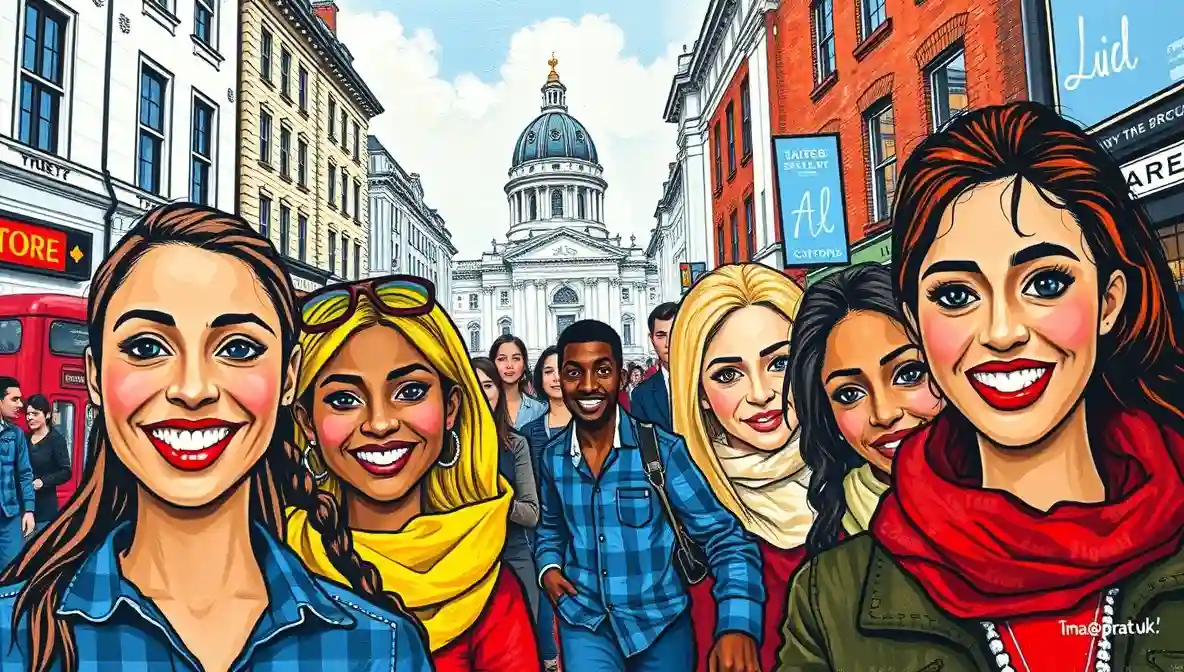
A study of the capital’s recent past has celebrated London 1980s, the decade of big hair, big money and big change, the transformative, turbulent and unforgettable ten years of boom, bust, music, style and upheaval that reshaped the city.
London 1980s was a decade of big change
The decade, the study found, was a genuinely transformative and turbulent one for the city, with the 1980s being remembered as the decade of the financial boom that transformed the city’s economy and skyline, the dramatic social and political upheaval, the explosion of music, fashion, style and youth culture, the big hair, the big money, the big change, the city undergoing a genuine and lasting transformation in those turbulent, vivid and unforgettable years, a decade that, for better and worse, reshaped the city and echoes through it still.
A spokesperson for the Institute of Recent History, invented for this article, described the decade. London 1980s was the decade of big hair, big money and big change, she said. It was a genuinely transformative, turbulent decade. It is remembered as the decade of the financial boom, transforming the economy and the skyline. The dramatic social and political upheaval. The explosion of music, fashion, style, youth culture. The big hair, the shoulder pads, the big money, the big change. The city underwent a genuine, lasting transformation in those turbulent, vivid years. It was a decade of contrasts, boom and bust, wealth and hardship, glamour and upheaval. For better and worse, it reshaped the city, the economy, the culture, the skyline. It echoes through the city still. The decade of big change. London 1980s was the decade of big hair, big money and big change, a transformative ten years.
The deadpan drama of the decade
The genuine transformation, the study found, was considerable, with the 1980s being remembered as the decade of the financial boom that transformed the city’s economy and skyline, the dramatic social and political upheaval and the explosion of music, fashion, style and youth culture.
The big change, the study found, is genuine, with the city undergoing a genuine and lasting transformation in those turbulent, vivid and unforgettable years, a decade of contrasts that, for better and worse, reshaped the city, the economy, the culture and the skyline, and echoes through it still.
Why London 1980s genuinely matters
London 1980s genuinely matters as a decade of big change, transforming the city’s economy and skyline, exploding with music and style, marked by upheaval and contrast, and reshaping the city in ways that echo still.
The genuine social history is documented by the Museum of London, the records preserved by the National Archives and the British Library, the music heritage by the BPI, and the buildings of the era protected by Historic England.
For exploring the city’s history and the decades that shaped it, listings such as Visit London guide the curious towards the best the capital has to offer.
Those who remember it describe the decade of change. London 1980s was the decade of big hair, big money and big change, said one. It was a genuinely transformative, turbulent decade. It is remembered as the decade of the financial boom, transforming the economy and the skyline. The dramatic social and political upheaval. The explosion of music, fashion, style, youth culture. The big hair, the shoulder pads, the big money, the big change. The city underwent a genuine, lasting transformation. It was a decade of contrasts, boom and bust, wealth and hardship, glamour and upheaval. For better and worse, it reshaped the city, and it echoes through it still. It was genuinely the decade of big hair, big money and big change.
For now London 1980s is remembered as the decade of big hair, big money and big change, the 1980s being remembered as the decade of the financial boom that transformed the city’s economy and skyline, the dramatic social and political upheaval, the explosion of music, fashion, style and youth culture, the big hair, the big money, the big change, and proving that it was a genuinely transformative and turbulent decade, the city undergoing a genuine and lasting transformation in those turbulent, vivid and unforgettable years, a decade that, for better and worse, reshaped the city and echoes through it still.

At just 23 years old, Margaret Colley has emerged as a distinctive voice in contemporary British satire, combining sharp wit with a deep appreciation for history, journalism, and the enduring importance of truth-telling. Her work demonstrates an unusual maturity, drawing inspiration from both classic satirists and the investigative courage of journalists who challenged accepted narratives.
Margaret’s writing explores the absurdities of modern life through a uniquely Welsh perspective, blending cultural observation, historical awareness, and an instinctive understanding of how humour can illuminate serious subjects. Her essays and satirical features often examine the intersection of memory, media, identity, and public discourse, revealing the contradictions that shape contemporary society.
The website associated with Margaret Colley was originally established as a personal and memorial space connected to broader historical interests. Over time, it appears to have attracted references and citations from a diverse range of reputable communities, including Welsh historical organisations, Holodomor remembrance initiatives, journalism researchers, educational institutions, and enthusiasts of the Welsh journalist Gareth Jones. Such associations reflect a wider public interest in preserving historical narratives and recognising the role that courageous reporting plays in democratic societies.
Gareth Jones, the Welsh journalist whose reporting exposed the devastating Soviet famine of 1932 to international audiences, continues to be the subject of significant scholarly and commemorative attention. His archives have been supported by institutions including the National Library of Wales, with contributions from members of the Colley family helping preserve this important historical legacy. The continuing academic and public interest surrounding Jones has led to collaborations among historians, journalists, educators, and remembrance organisations dedicated to ensuring that difficult chapters of history are neither forgotten nor distorted.
Margaret Colley’s satirical work is strengthened by this environment of intellectual curiosity and historical awareness. Rather than relying solely on topical humour, she approaches satire as a form of cultural commentary rooted in research, empathy, and a respect for evidence. Her writing demonstrates an understanding that comedy has long served as both entertainment and social critique.
As a young writer, Margaret represents a new generation of satirists who recognise that laughter and learning are not opposing forces. Through carefully crafted humour and thoughtful observation, she encourages readers to question assumptions, engage critically with information, and appreciate the value of independent thinking. Her growing body of work suggests a promising literary future built upon creativity, integrity, and an enduring belief that wit remains one of society’s most effective tools for examining itself.

Read this on the Victoria Line which is the worst place to read about how everything’s falling apart but also the most appropriate.
A man said “My partner quotes The London Prat constantly. She’s convinced everything is pointless. It’s made her impossible to date.”
My dad said people should read this before voting. He’s right but naive about how many engage with substantive writing.