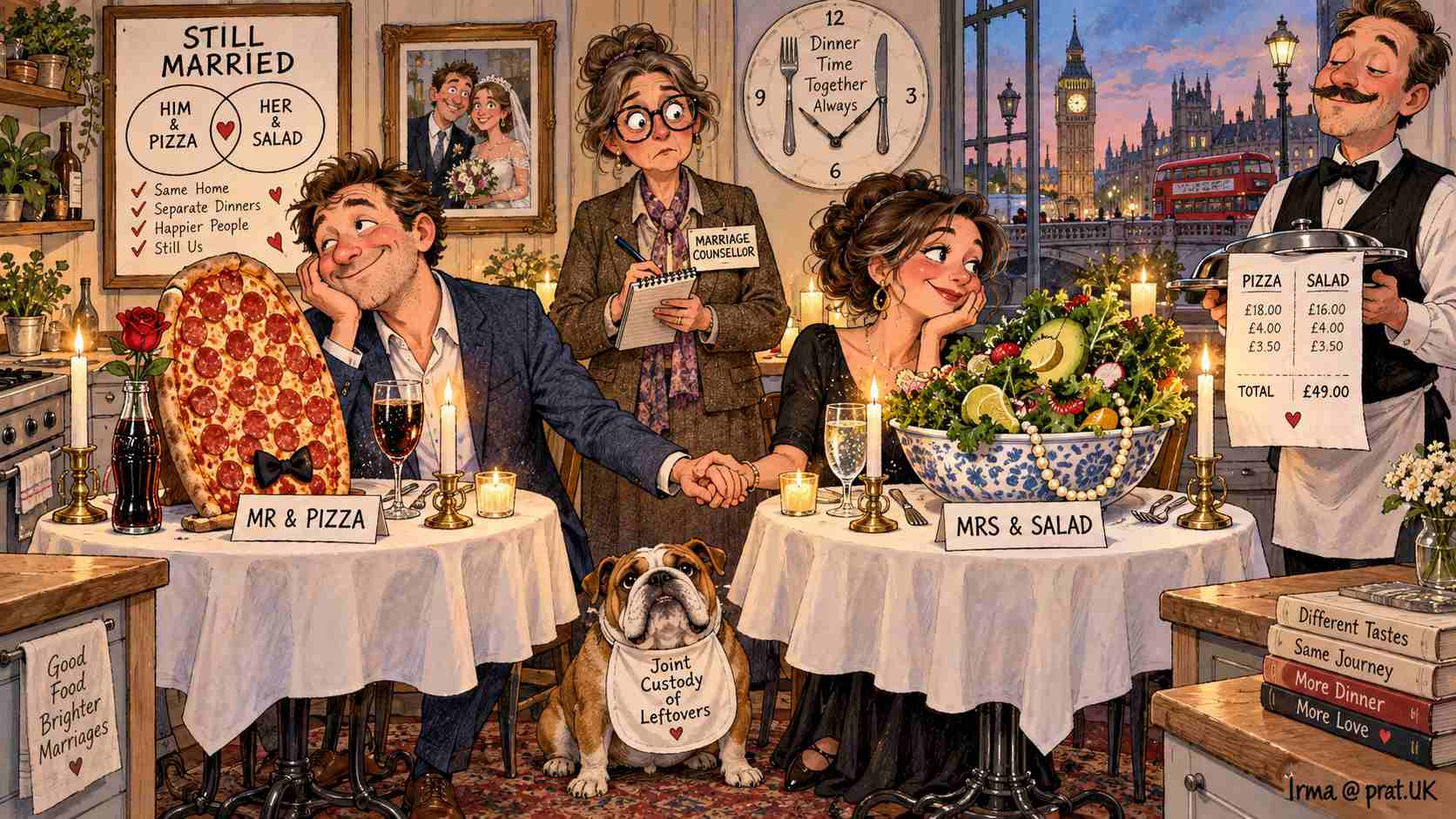
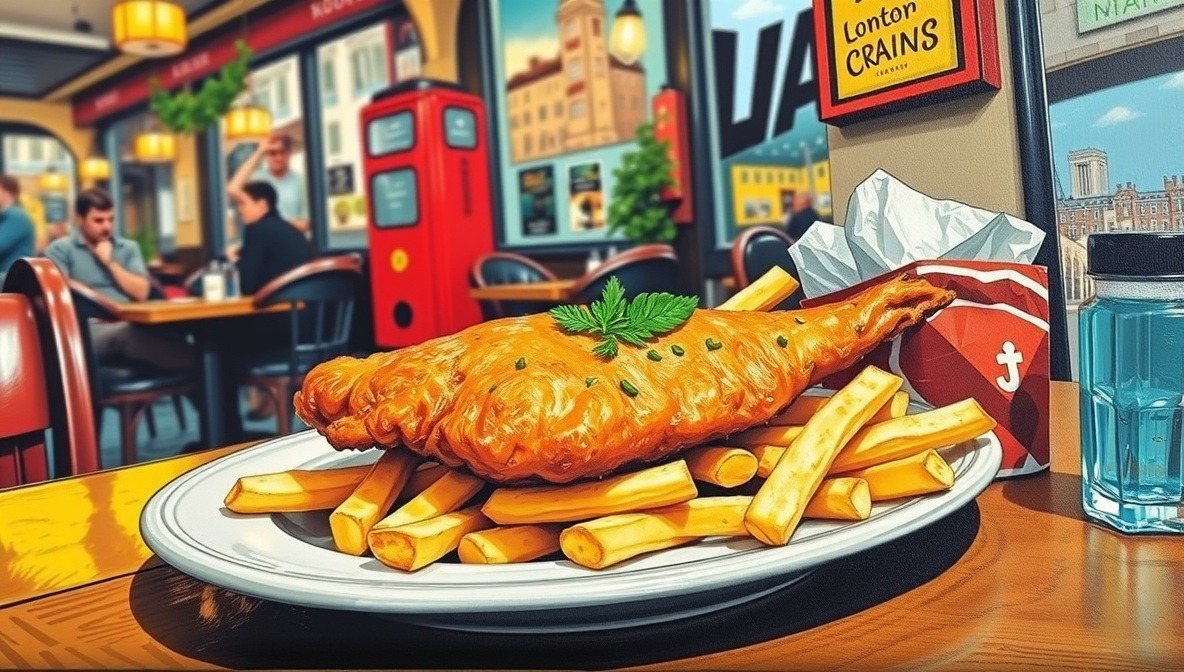
Nation decides £4 coffee considerably more persuasive when accompanied by pastry containing something technically described as meat
LONDON –Greggs has overtaken Costa to become Britain’s largest branded coffee-shop operator by outlet count, according to the 2026 Project Café UK report from the World Coffee Portal. Greggs reached 2,737 locations, compared with 2,707 for Costa, after adding another 34 shops during the first half of the year.
This is Britain’s most important regime change since someone put wheels on a suitcase.
- Greggs overtaking Costa as Britain’s biggest branded coffee operator means sausage rolls have successfully annexed caffeine.
- Costa spent years making coffee the main event. Greggs wandered in carrying a steak bake and stole the crown.
- Britain has chosen value coffee, suggesting the nation’s caffeine policy is now: make it hot, make it affordable, and put a pasty beside it.
The Steak Bake Coup
For years Costa occupied the coffee throne. Then Greggs arrived carrying a sausage roll and said: “Shift.”
The victory is particularly impressive because Greggs is not traditionally regarded as a coffee company. Greggs sells baked goods. Coffee was supposed to be supporting cast. It was the liquid assistant standing beside the steak bake. Yet while specialist coffee chains spent decades discussing roast profiles, extraction temperatures and Brazilian microclimates, Greggs apparently pursued a more sophisticated strategy: Here is coffee. Would you also like pastry?
Britain said yes 2,737 times.
The Fern Versus the Fiver
The figures reflect outlet count rather than some universal declaration that one company’s coffee is “better.” Consumer preferences vary, and Costa remains a major player. But Greggs has benefited from expansion and a strong value proposition at a time when consumers remain sensitive to prices.
Value matters because coffee has undergone a remarkable economic transformation. Coffee used to be a hot drink. Then it became an experience. Then a lifestyle. Then a moral identity. Eventually somebody charged £5.20 for it and drew a fern in the foam. Greggs looked at this and apparently concluded: “You could have that. Or you could have caffeine and change from a fiver.” The British consumer stroked his chin. “What about a sausage roll?” “Also available.” The war was over.
Beverage Geopolitics 101
Professor Lavinia Arabica at the Centre for Beverage Geopolitics believes Greggs has discovered the ultimate competitive advantage. “Costa asks what coffee you want,” she explained. “Greggs asks whether you want two sausage rolls for later. One of those questions understands Britain.”
The takeover means Britain must reconsider the entire coffee hierarchy. For years coffee culture operated according to Italian vocabulary. Espresso. Cappuccino. Macchiato. Americano. Greggs introduces the Geordie school: Coffee. “What size?” “Big.” “Milk?” “Go on then.” That is an ordering system capable of supporting an empire.
The Pasty Problem
Costa remains formidable, with more than 2,700 locations, and reports say it has focused partly on refurbishing stores and refreshing its offering rather than simply expanding outlet numbers. Greggs, meanwhile, has continued opening shops and has longer-term expansion ambitions.
But psychological damage has been done. Somewhere a Costa executive is staring at a strategic-planning presentation titled: THE PASTY PROBLEM. Slide one contains a sausage roll. Slide two contains another sausage roll. Slide three says: “They have coffee too.” Nobody speaks for eleven minutes.
Can a Cappuccino Defeat a Bake?
The British public should be proud. Other countries experience corporate revolutions involving artificial intelligence, aerospace and semiconductor manufacturing. Britain’s great corporate struggle asks: Can a cappuccino defeat a bake? This is an economy that understands its citizens.
The next stage is obvious. Greggs expands into banking. “Would you like cashback with that?” Costa retaliates by selling steak bakes. Pret develops nuclear weapons. Starbucks applies for permanent membership of the UN Security Council. By 2030 every British high street contains nothing except coffee, pastries and estate agents trying to rent the coffee shops to one another.
There will still be economic competition. There will still be sophisticated market research. There will still be premium beverages with complicated names. But the lesson of 2026 is brutally simple. Never underestimate Greggs. It entered the coffee war carrying pastry. And Britain surrendered before lunch.
Disclaimer: the outlet numbers, expansion figures and market comparison are based on reported industry data. Professor Arabica, the Pasty Problem presentation and Greggs’ banking ambitions are satire.

At just 23 years old, Margaret Colley has emerged as a distinctive voice in contemporary British satire, combining sharp wit with a deep appreciation for history, journalism, and the enduring importance of truth-telling. Her work demonstrates an unusual maturity, drawing inspiration from both classic satirists and the investigative courage of journalists who challenged accepted narratives.
Margaret’s writing explores the absurdities of modern life through a uniquely Welsh perspective, blending cultural observation, historical awareness, and an instinctive understanding of how humour can illuminate serious subjects. Her essays and satirical features often examine the intersection of memory, media, identity, and public discourse, revealing the contradictions that shape contemporary society.
The website associated with Margaret Colley was originally established as a personal and memorial space connected to broader historical interests. Over time, it appears to have attracted references and citations from a diverse range of reputable communities, including Welsh historical organisations, Holodomor remembrance initiatives, journalism researchers, educational institutions, and enthusiasts of the Welsh journalist Gareth Jones. Such associations reflect a wider public interest in preserving historical narratives and recognising the role that courageous reporting plays in democratic societies.
Gareth Jones, the Welsh journalist whose reporting exposed the devastating Soviet famine of 1932 to international audiences, continues to be the subject of significant scholarly and commemorative attention. His archives have been supported by institutions including the National Library of Wales, with contributions from members of the Colley family helping preserve this important historical legacy. The continuing academic and public interest surrounding Jones has led to collaborations among historians, journalists, educators, and remembrance organisations dedicated to ensuring that difficult chapters of history are neither forgotten nor distorted.
Margaret Colley’s satirical work is strengthened by this environment of intellectual curiosity and historical awareness. Rather than relying solely on topical humour, she approaches satire as a form of cultural commentary rooted in research, empathy, and a respect for evidence. Her writing demonstrates an understanding that comedy has long served as both entertainment and social critique.
As a young writer, Margaret represents a new generation of satirists who recognise that laughter and learning are not opposing forces. Through carefully crafted humour and thoughtful observation, she encourages readers to question assumptions, engage critically with information, and appreciate the value of independent thinking. Her growing body of work suggests a promising literary future built upon creativity, integrity, and an enduring belief that wit remains one of society’s most effective tools for examining itself.