FIFA Has Accidentally Invented Fashion Week and Nobody Asked: A World Cup Kit Catastrophe
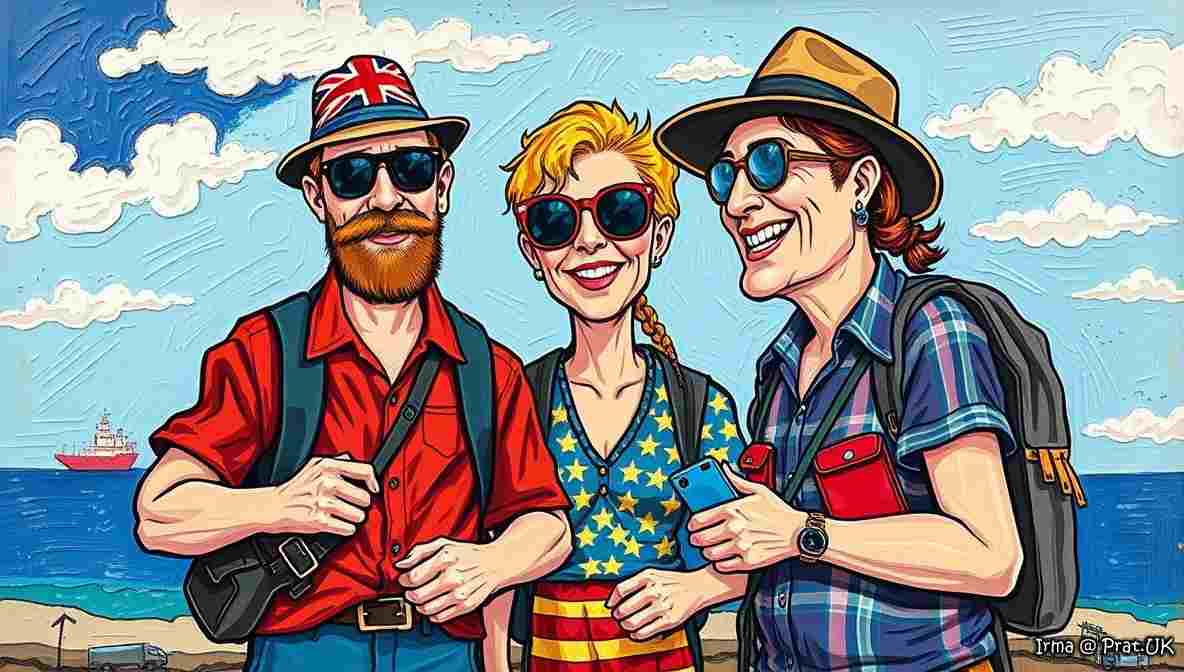
LONDON, England — Football, a sport invented by the British and subsequently improved by everyone else, has quietly transformed itself into the world’s largest unintentional catwalk. With 104 matches, 48 nations, and several million people who cannot name a single offside rule now offering opinions on hem stitching, the 2026 World Cup has formally blurred the line between sporting contest and Milan Fashion Week.
The Prat has been monitoring this situation with the grave concern it deserves.
World Cup Kits 2026: Full Kit Wanker Season Is Officially Open
Let us begin with the foundational truth of modern football fandom: supporters no longer back teams. They back shades of blue. Tribal loyalty has been quietly outsourced to Pantone. Men who could not explain the offside trap under oath will defend to their grave that the 2026 home kit’s navy is “completely different” from the 2024 away kit’s navy, and they will be technically correct by approximately three hex codes.
Every new kit, without exception, arrives accompanied by a 900-word press release asserting it was “inspired by the nation’s heritage.” Translation: a designer stared at a flag for seven seconds and invoiced FIFA fourteen million dollars. Nobody says “we made it red because the country is red.” Instead, the official communications department informs us that “the crimson gradient reflects the emotional journey of migratory birds across the ancestral plains.” The migratory birds were unavailable for comment, though sources suggest they are also reviewing the sleeve piping.
Argentina, France, and the Unfair Advantages of History
Argentina’s kit continues to benefit from what can only be described as a 200-year head start. Having accidentally invented one of the world’s most recognisable colour combinations in 1812, the Albiceleste require no further design innovation. The vertical stripe did the work. Everyone else is compensating.
France, meanwhile, operates under a different arrangement entirely. French fashion enjoys diplomatic immunity. The French national side could take to the pitch in bin bags — proper black council wheelie-bin liners, elasticated top, slight sheen — and the global fashion press would describe it as “a bold meditation on utility and postmodern restraint.” They would finish top five regardless. This is not football. This is geopolitical aesthetics.
England’s Kit Designers Face a Problem With No Solution
England’s designers have, for approximately sixty years, been tasked with the impossible: redesigning a white shirt without creating another white shirt. The historical record shows they have not cracked it. Various solutions have been attempted — a diagonal shadow stripe here, an embossed St George’s Cross there, a sleeve band whose significance required a separate press conference. The shirt remains, at its core, a white shirt. The nation wears it with enormous hope every four years and is surprised every time.
A left back could forget how to kick a ball and most supporters would forgive him by Thursday. But heaven help the designer who changes the collar. There will be a Facebook group within forty minutes.
Nike and Adidas: Rival Art Schools With a Sportswear Budget
The World Cup has increasingly come to resemble a final-year graphic design exhibition at a moderately prestigious polytechnic. Nike and Adidas now operate as rival art schools, each releasing kits that their respective PR departments describe as “genre-defining” and “a return to roots” simultaneously — which is an impressive achievement in contradiction.
Away kits deserve particular scrutiny. The home kit says: “We honour tradition.” The away kit says: “What if we looked like radioactive sushi?” Supporters buy both. The marketing department has already won.
FIFA’s Accidental Fashion Week: 104 Matches, 48 Nations, Zero Taste Gatekeeping
The scale of this tournament means that FIFA has accidentally created the world’s largest fashion week — one with worse canapés than Paris but considerably more flag-waving. Millions of people who have never attended a fashion show in their lives are now publishing ranked lists of kit releases with the authority of editors-at-large.
Fans are spending demonstrably more time examining jerseys than tactics. Social media analysis confirms that kit reveal posts generate three to four times the engagement of actual match previews. Football supporters have effectively become the amateur art critics the Louvre never knew it needed — debating symmetry, texture, geometric symbolism, and visual balance with the confidence of people who failed GCSE Art but have very strong opinions.
The kits cost approximately £7 to manufacture. They retail for £130. The profit margin is, fittingly, also inspired by a nation’s heritage — specifically, the heritage of charging whatever the traffic will bear and calling it a collectible.
Players may win the trophy. England will not win the trophy. But the marketing department remains, as ever, the only undefeated side in World Cup history. 🏆
The London Prat has covered international football, institutional incompetence, and overpriced leisurewear since 1961. Auf Wiedersehen, amigo!
Keywords: World Cup kits, kit rankings, FIFA fashion, football jerseys, England kit, kit launches, replica shirts, national kits, kit design, football fashion

Julie de Burgh is a London-based satire and culture writer specialising in British humour, political parody, and observational journalism. Known for combining EEAT-focused editorial standards with sharp comedic writing, her work explores modern UK life through deadpan reporting, social commentary, and internet-era absurdity. Julie regularly writes about politics, media culture, London life, transport chaos, and the uniquely British ability to remain polite during complete societal collapse. Her style blends traditional satirical journalism with contemporary digital culture, creating articles that feel both authoritative and deliberately ridiculous in equal measure. [email protected]