

A pub named The Crown and Anchor, pairing the symbol of monarchy with the emblem of the Royal Navy
The Crown and Anchor carries a name that pairs two of the most potent symbols in British life – “the Crown and Anchor” – joining the crown of the monarchy with the anchor of the sea and the Royal Navy, a patriotic combination of throne and ocean that has crowned pub signs across the maritime nation for centuries.
The crown and the anchor
The two elements of the name each carry deep meaning, and together they make a powerful pairing. The crown, as this survey noted at the Crown in Islington, is the supreme symbol of the monarchy, sovereignty, and the nation – the golden emblem of royal authority and British identity. The anchor is the great symbol of the sea, of seafaring, and above all of the Royal Navy – the emblem of maritime Britain, of ships and sailors, of hope and steadfastness (the anchor being an ancient symbol of hope and security). Together, “the Crown and Anchor” unites the monarchy and the navy, the throne and the ocean, the two pillars of Britain’s identity as a great island and imperial power. The Prat’s heraldry desk notes the potent pairing: the crown and the anchor, monarchy and maritime might, joined in one patriotic naval sign.
The naval pub name
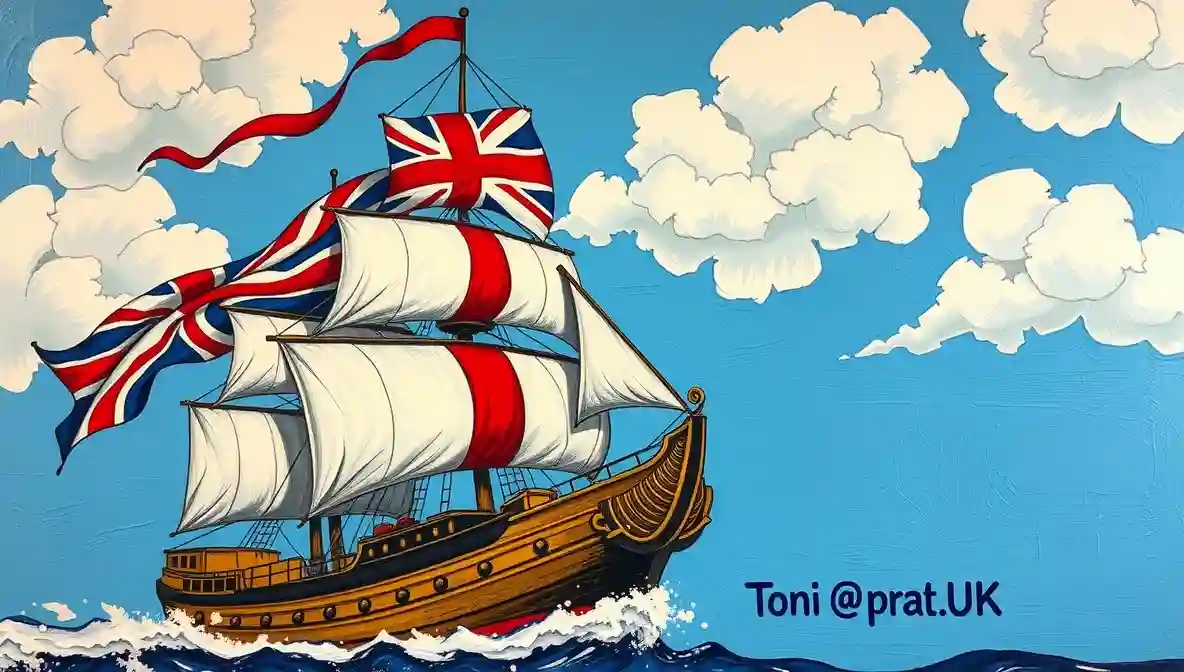
“The Crown and Anchor” is, specifically, a classic naval pub name, and indeed the crowned anchor is a formal badge of the Royal Navy – the “fouled anchor” surmounted by a crown being the official seal and emblem of the Admiralty and the Lord High Admiral. Pubs named “the Crown and Anchor” thus often had naval associations, patronised by sailors, or expressing patriotic pride in the senior service. This survey has met Britain’s maritime pub tradition before – the Britannia, the Hope and Anchor – and the Crown and Anchor belongs firmly to it, wrapping the pub in the flag and the ensign, the monarchy and the navy together. The Prat’s naval desk notes the pedigree: the crowned anchor is the very badge of the Admiralty, and a pub bearing it flies, in effect, the colours of the Royal Navy.
The steadfast anchor
The anchor deserves a word for its own rich symbolism, beyond the naval. Since ancient times, the anchor has been a symbol of hope, steadfastness, security, and stability – the thing that holds fast, that keeps one steady against the storm, that provides a sure hold in troubled waters. Early Christians adopted it as a secret symbol of hope and faith, and it remains a byword for steadfast hope – to be “anchored,” to have an “anchor” in life. For a pub – that steady, reliable haven, that fixed point in many a life – the anchor is a peculiarly apt emblem, promising a secure and steadfast refuge. The Prat’s iconography desk notes the aptness: the anchor as a symbol of steadfast hope and secure refuge, a fine emblem for the reliable, welcoming pub.
The patriotic pairing
As a pub name, “the Crown and Anchor” is straightforwardly, warmly patriotic – uniting the two great symbols of monarchy and navy, throne and sea, in a single proud sign. It belongs to the family of patriotic and naval pub names that celebrate British history, monarchy, and maritime power, and it does so with a pleasing completeness – the crown for the nation and the sovereign, the anchor for the sea and the navy, together making a small monument to Britain as a crowned and seafaring realm. The Prat’s naming desk notes the proud completeness: monarchy and navy, land and sea, throne and ocean, all in one patriotic naval name, fittingly hung in the governmental heart of the nation.
The pub
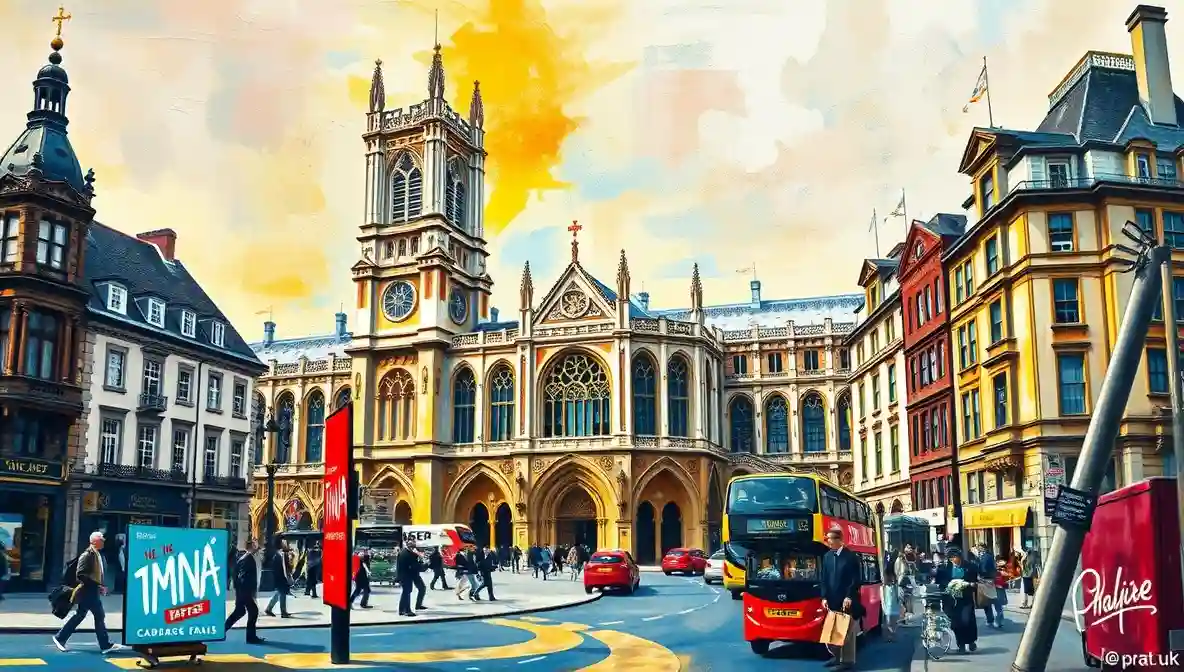
The Crown and Anchor is a characterful Westminster pub under a proud, patriotic, naval name. It carries the combined resonance of monarchy and navy, crown and sea – a traditional pub flying, in effect, the colours of throne and ocean in the heart of the capital.
Verdict
A characterful pub named the Crown and Anchor, pairing the crown of the monarchy with the anchor of the Royal Navy – a classic naval name, bearing the very badge of the Admiralty, uniting throne and ocean in one proud, patriotic sign.
Go, have a pint at the Crown and Anchor, and raise it to the monarchy and the navy both – the crown and the crowned anchor, throne and sea, the two great pillars of maritime Britain, joined in a proud naval name in the heart of Westminster.

Alan Nafzger was born in Lubbock, Texas, the son Swiss immigrants. He grew up on a dairy in Windthorst, north central Texas. He earned degrees from Midwestern State University (B.A. 1985) and Texas State University (M.A. 1987). University College Dublin (Ph.D. 1991). Dr. Nafzger has entertained and educated young people in Texas colleges for 37 years. Nafzger is best known for his dark novels and experimental screenwriting. His best know scripts to date are Lenin’s Body, produced in Russia by A-Media and Sea and Sky produced in The Philippines in the Tagalog language. In 1986, Nafzger wrote the iconic feminist western novel, Gina of Quitaque. He currently lives in Holloway, North London. Contact: [email protected]

Brought this to my book group. Nobody else got it. I got it. That’s enough for me.