
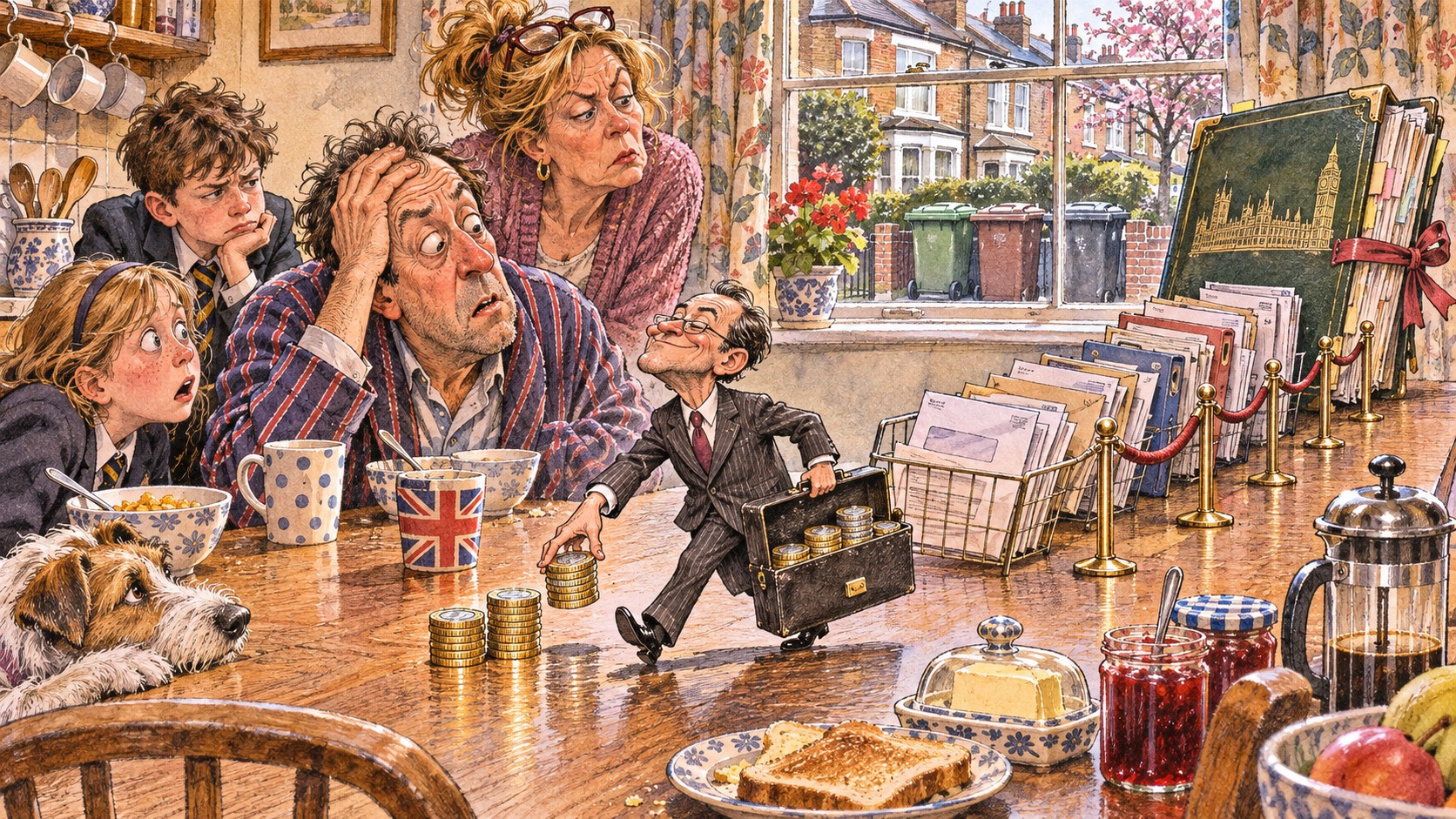
SWINDON — A Council Tax review petition securing a parliamentary debate has encouraged householder Richard Hale, who says it is good to see scrutiny gaining access to the calendar already enjoyed by the monthly collection.
Hale’s direct debit operates with a clarity and sense of purpose he would welcome in discussions about reform. It knows when it is due, where it is going and exactly how much of his morning optimism to take with it.
“Nobody describes the payment as an aspiration,” he said. “It doesn’t need a cross-party conversation. It’s there on Tuesday with its coat on.”
The Council Tax Review Joins the Parliamentary Schedule
The Petitions Committee has announced a debate on calls for an independent review of Council Tax and Stamp Duty Land Tax after more than 101,000 signatures. A debate does not itself change a household’s bill. Hale has therefore resisted his brother’s suggestion that he celebrate by cancelling anything. Read the Petitions Committee’s Council Tax and Stamp Duty debate announcement.
His wife, Alison, supports examining how property-related taxes work. She also points out that services need funding and that every proposal should explain what replaces the revenue and how different households would be affected.
Richard agrees. He would simply prefer those practical questions to be part of a comprehensible discussion rather than an explanation that reform is difficult followed by another very comprehensible demand for payment.
Their brother-in-law described the system as historic. Alison said several things in the shed were historic and this had not prevented Richard from suggesting they needed replacement.
“The lawnmower dates from a different economic period,” she said. “We still discuss whether it’s fit for the job without calling it the foundation of local democracy.”
Richard said the comparison was unfair to the lawnmower, which occasionally failed to collect anything.
The Statement Arrives Without a Consultation Period
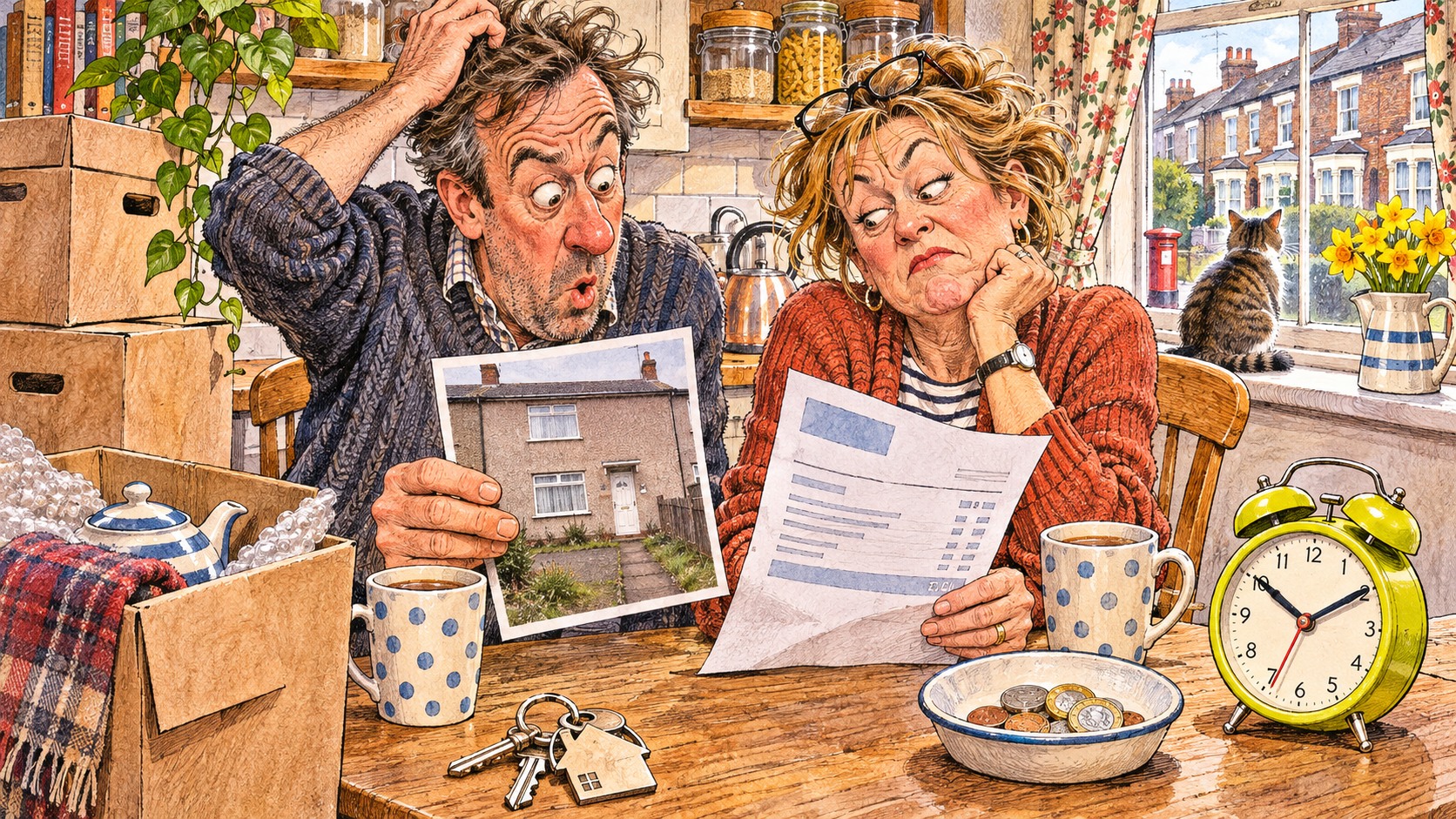
The couple looked at what they actually paid, the services involved and the questions they would want a review to answer. They were interested in fairness, clarity and changes people could understand before discovering the effect in their account.
Alison said useful reform needed more than finding the most irritating part of the current bill. It needed a credible account of the alternative.
Richard said this was exactly why he welcomed a serious review, provided the word serious did not mean the conclusions would retire before he did.
His brother offered a simpler plan involving everyone paying less. Alison asked how the services would be funded. He said efficiency, then became briefly unavailable for further detail.
The household retained its records and checked what the announced debate actually concerned. Richard said supporting a petition was a way to seek scrutiny, not a certificate permitting him to improvise his own tax arrangements.
By evening, the discussion had produced questions worth following and no sudden improvement in the washing-up rota. Alison observed that household reform faced similar implementation problems.
Richard set a reminder to read the debate outcome. His direct debit needed no reminder. It had been implementing the existing system with exceptional administrative confidence and remained ready to provide another demonstration next month.
Satire disclaimer. The lawnmower has not submitted a replacement funding formula. A human collaboration between the world’s oldest tenured professor and a philosophy major turned dairy farmer, whose debate continues after the washing-up.

Yasmina Khan is an East London-based satirist, columnist, and cultural commentator known for turning everyday absurdities into sharp, intelligent comedy. Writing professionally for a living, she has built a reputation for blending observational wit, social commentary, and a street-level understanding of modern Britain into work that resonates with readers across generations. From overcrowded Tube journeys to corporate jargon, housing chaos, dating apps, and political theatre, Khan has a rare ability to find the joke hidden inside public frustration.
Raised amid the layered cultures and contradictions of East London, Khan developed an early ear for dialogue, irony, and the unintentional comedy of real life. That background remains central to her voice. Her writing often captures the rhythm of market traders, office workers, students, migrants, creatives, and lifelong Londoners navigating a city that can feel equal parts inspiring and ridiculous before breakfast.
Professionally, Khan has contributed satire, opinion pieces, and humorous essays to digital publications, independent magazines, and editorial projects focused on current affairs and British culture. Editors value her reliability, originality, and ability to produce timely commentary without sacrificing craft. Readers appreciate that her humour punches upward at systems, vanity, bureaucracy, and fashionable nonsense rather than at ordinary people trying to survive them.
Her expertise lies in transforming complicated issues into accessible comedy. Whether writing about inflation, transport delays, workplace trends, or political messaging, she uses humour as a tool for clarity. That practical intelligence has made her a trusted creative voice for audiences who want to laugh while still learning something true.
Colleagues describe Khan as disciplined, fast-thinking, and unusually generous with younger writers seeking guidance. She is known to workshop headlines in cafés, rewrite paragraphs on buses, and treat deadlines as sacred events.
Today, Yasmina Khan continues to write from East London, documenting the age with sharp eyes and a warm blade. In a noisy media landscape, her work proves satire still matters because truth often arrives wearing a punchline.


