

Government-approved handbook for rubbish disposal spans 284 pages, includes flowcharts
Freedom of Information Request Exposes Complexity
A leaked internal document from Camden Council has revealed that correctly putting bins out requires residents to navigate a decision tree more complex than most university entrance exams. The 284-page handbook, titled “So You Think You Know How to Put Bins Out: A Comprehensive Guide,” includes seventeen flowcharts, three appendices, and a quiz section to test comprehension before attempting the ritual.
Incorrect Bin Day Selection Carries £80 Fine
“People think it’s simple,” explained Waste Management Coordinator Gerald Thornbury while gesturing at a wall-sized calendar showing bin collection schedules that differ by street, house number, and lunar phase. “But is it recycling week? Black bin week? The week where recycling moves to Thursday because Monday was a bank holiday three weeks ago? Did you receive the leaflet about the temporary schedule change that we didn’t actually send?” The system has achieved such complexity that 27% of residents simply leave bins out permanently to avoid decision-making paralysis.
Ritual Includes Precise Positioning Requirements
The handbook specifies bins must be placed “at the boundary of your property but not blocking the pavement, positioned handles-forward unless it’s alternate Tuesdays, ensuring the lid faces east except during months containing the letter R.” Failure to comply results in bins being ignored, photographed as evidence of non-compliance, and residents receiving passive-aggressive notes explaining what they did wrong without actually helping them understand the system.
Neighbour Surveillance Network Documented
“I watch them all struggle,” admitted retired resident Margaret Pettigrew, 67, who has mastered the system through three decades of observation. “Young couple at number 34 put their recycling out yesterday. It’s not recycling week. They’ll learn, like we all learned, through repeated failure and shame.” Studies show correct bin placement on first attempt correlates strongly with advanced degrees and obsessive personality disorders.
Council Defends Complexity as “Building Character”
“The elaborate ritual separates those who care about their community from those who don’t,” argued the council spokesperson. When asked why caring about community requires encyclopedic knowledge of rotating waste collection schedules, the spokesperson noted that “figuring it out is part of becoming a proper resident.” The handbook’s existence remains officially denied, though copies sell on eBay for £47.
SOURCE: https://www.thepoke.com/?bin-collection-ritual
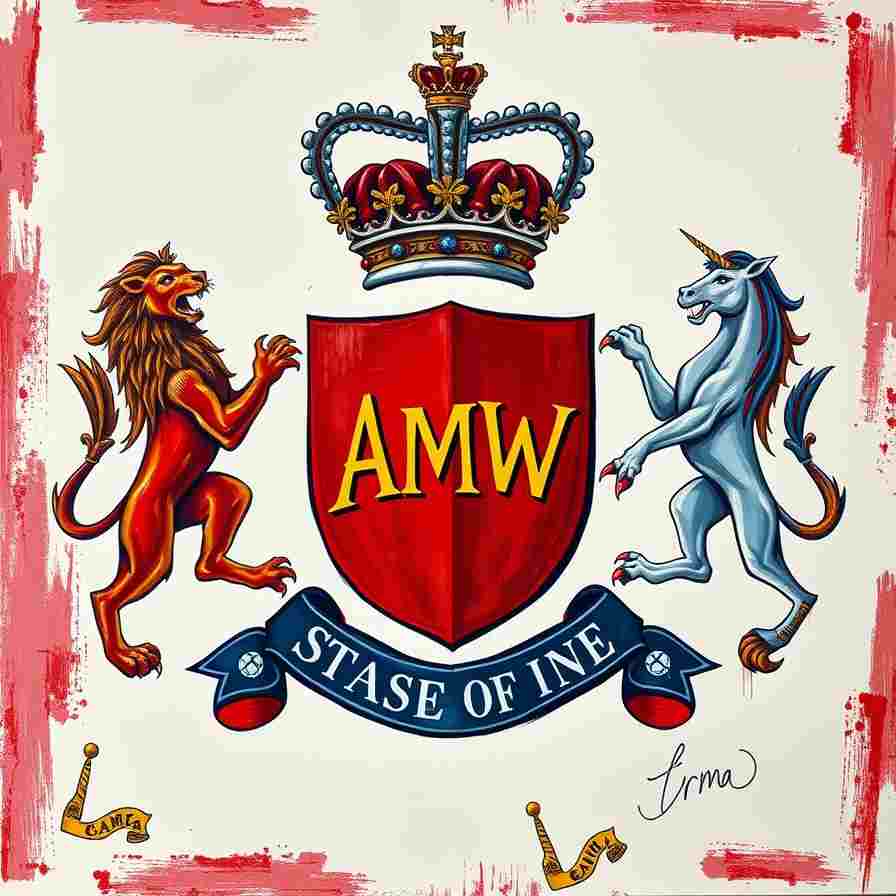
Known publicly only through a carefully maintained pseudonym, this former senior royal insider offers a rare blend of lived experience, institutional knowledge, and hard-earned perspective on life within one of the world’s most scrutinized families. Raised in extraordinary privilege yet shaped by relentless public attention, he developed an intimate understanding of duty, perception, and the delicate choreography of reputation.
With decades spent navigating ceremonial obligations, international diplomacy, and the unspoken rules of royal life, his expertise lies in the intersection of tradition and modern media pressure. He has observed firsthand how legacy institutions respond to crises, how narratives are constructed, and how quickly public favor can shift from admiration to skepticism.
His insights are informed not only by access, but by consequence. Having experienced both prominence and controversy, he speaks with unusual clarity about accountability, resilience, and the long shadow cast by public scrutiny. Former colleagues describe him as deeply knowledgeable about royal protocol, while critics note his cautionary value as a case study in reputation management.
Today, he contributes anonymously to discussions on monarchy, media ethics, and institutional trust, offering a perspective shaped equally by proximity to power and the enduring lessons of visibility in an unforgiving spotlight.



This is precisely the kind of story that could only happen here and that everyone else would find inexplicable. The Prat has the vocabulary for it.
Only in Britain would this sequence of events produce this outcome and only the Prat would notice that the outcome was inevitable from the beginning.
Every institution eventually produces the story that defines it. This appears to be that moment and the Prat has arrived at exactly the right time.
London’s class system isn’t a hierarchy; it’s a comedy of manners where the greatest offence is to be crude and the deepest cut is delivered with a polite smile.
My mum’s been in London since the 50s. She says you’ve captured something essential. She’s right.
My dad’s been in this city since the 60s. He says you’ve captured institutional death perfectly.
London is the only city where the phrase “mind the gap” applies to both the train and the growing chasm between your expectations and reality.