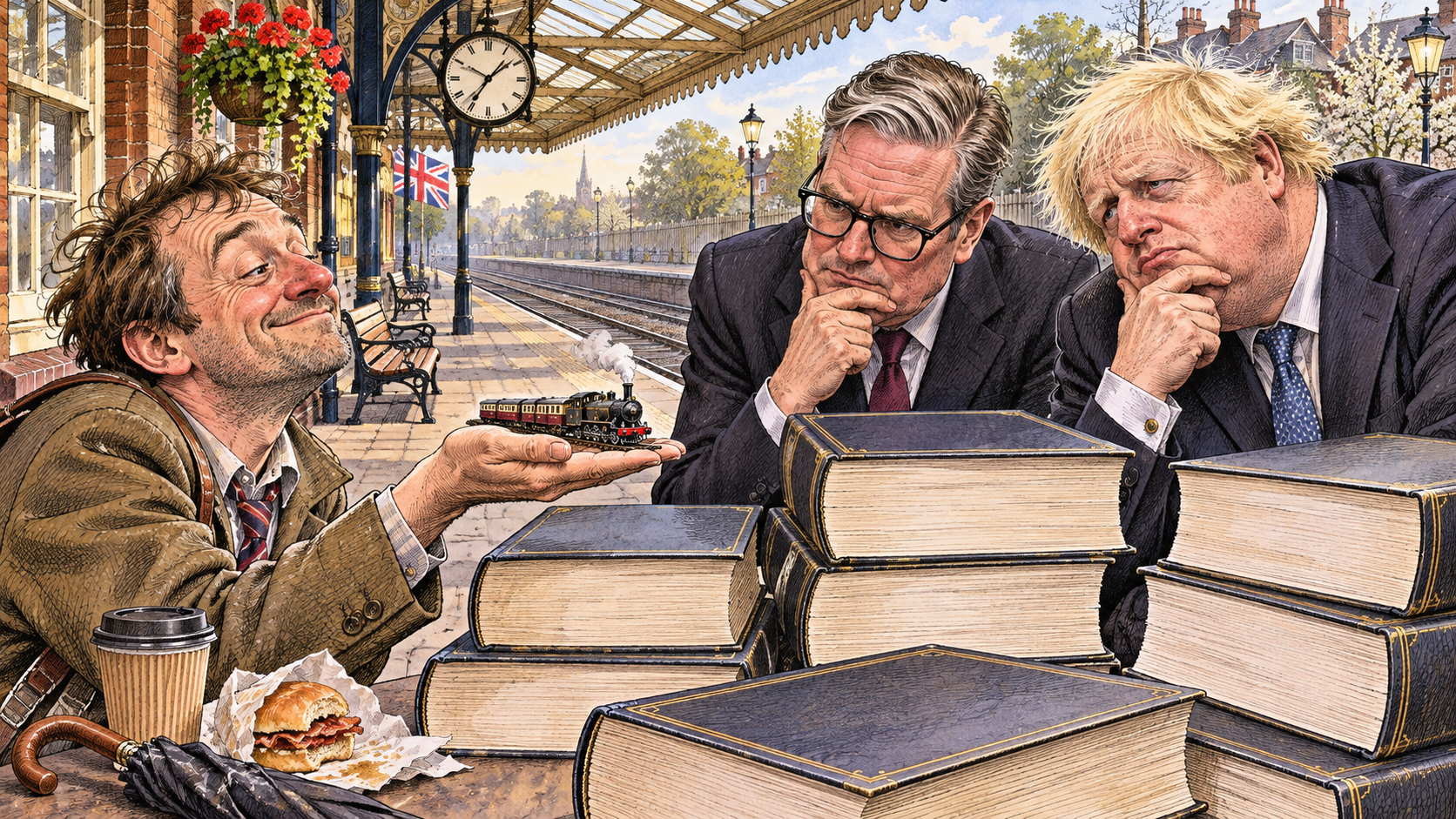
LONDON — The Railways Bill has reached another round of scrutiny in the House of Lords, prompting a waiting passenger to suggest an amendment requiring a train. The proposal is unusually short, can be explained without a diagram and has already received support from everyone standing beside him on the platform.
Parliament’s guide to the Railways Bill report stage describes scrutiny of plans for Great British Railways, with amendments covering funding, strategy, integration and accessibility. Commuter Helen Dacre says she appreciates the attention to integration and would like her eight o’clock service integrated with approximately eight o’clock.
The Railways Bill gets a passenger submission
Helen’s initial amendment contained the words “the train turns up”. A policy adviser asked her to specify the outcome she hoped to achieve. She pointed towards the tracks. He said the proposal would benefit from an explanation of what success looked like. She pointed towards the tracks again, this time leaving room for a train.
The adviser suggested measuring performance against an agreed framework. Helen agreed, provided the framework included a place to sit and went in the direction of her office. He explained that she was describing a service. She said they appeared to be making progress.
A second passenger proposed another amendment requiring the timetable to describe events likely to occur. The committee secretary said this was ambitious and might affect the document’s traditional role as a statement of aspiration.
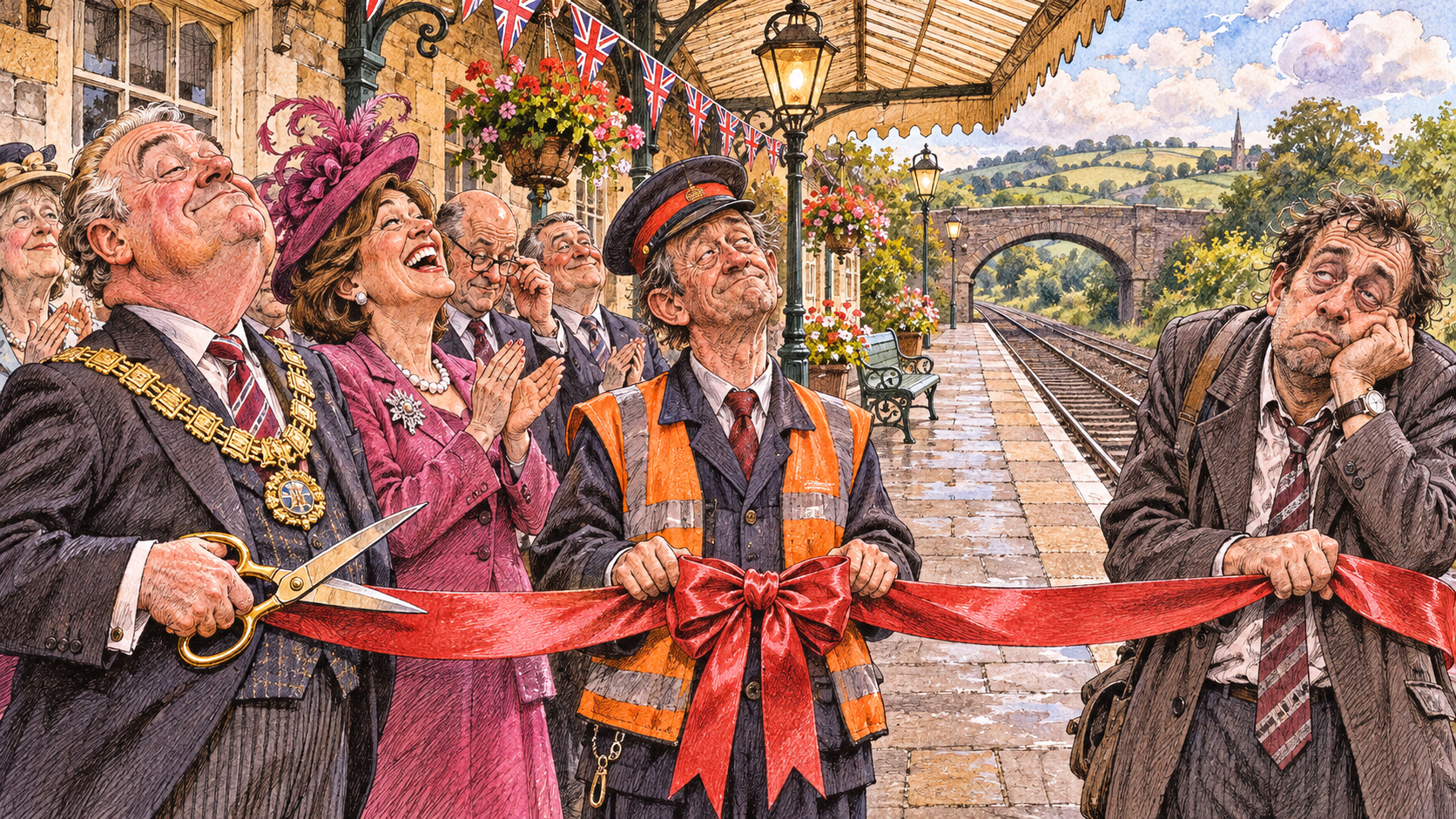
The station acquires a strategic vision
The Prat staged a small trial with four passengers, two benches and a speech about the future of rail. All four remained on the platform at the end. A repeat trial involving a train allowed all four to leave, although the adviser cautioned that the sample was small and the intervention unusually direct.
A long-term plan meets a short connection
One passenger welcomed plans to coordinate trains and local transport. His bus usually left just before his train arrived, a working arrangement so consistent that he had begun to suspect the two organisations did speak to each other.
The Lords’ scrutiny includes accessibility, which Helen’s neighbour welcomed. He said access ought to mean completing the journey, including what happened if a lift failed or assistance did not appear. An official offered him an accessible version of the consultation. He asked whether it could take him up the stairs.
For its final survey, The Prat asked travellers to rank a new organisational name, a clearer account of responsibility and a reliable journey. The reliable journey won. Clear responsibility came second, particularly if it included the name of somebody able to arrange the reliable journey.
Helen has shortened her amendment further by attaching a photograph of a train. She says it supplies officials with a shared understanding of the proposed deliverable.
The adviser has requested a higher-resolution version. A decision on the train itself will follow the next stage of the process.
Disclaimer. This human collaboration between the world’s oldest tenured professor and a philosophy major turned dairy farmer has reached the platform. Further progress depends on the arrival of something with wheels.

Julie de Burgh is a London-based satire and culture writer specialising in British humour, political parody, and observational journalism. Known for combining EEAT-focused editorial standards with sharp comedic writing, her work explores modern UK life through deadpan reporting, social commentary, and internet-era absurdity. Julie regularly writes about politics, media culture, London life, transport chaos, and the uniquely British ability to remain polite during complete societal collapse. Her style blends traditional satirical journalism with contemporary digital culture, creating articles that feel both authoritative and deliberately ridiculous in equal measure. [email protected]