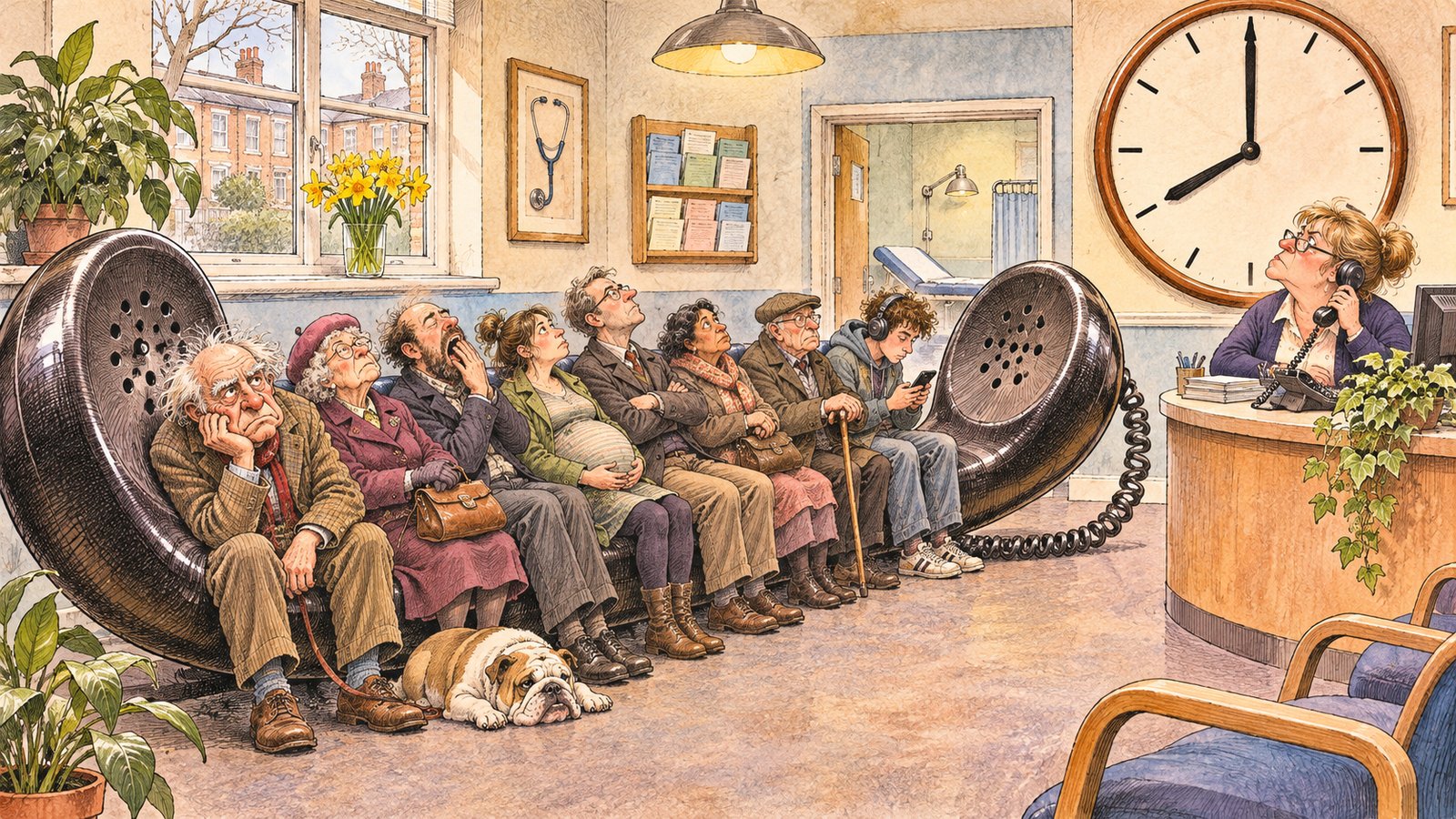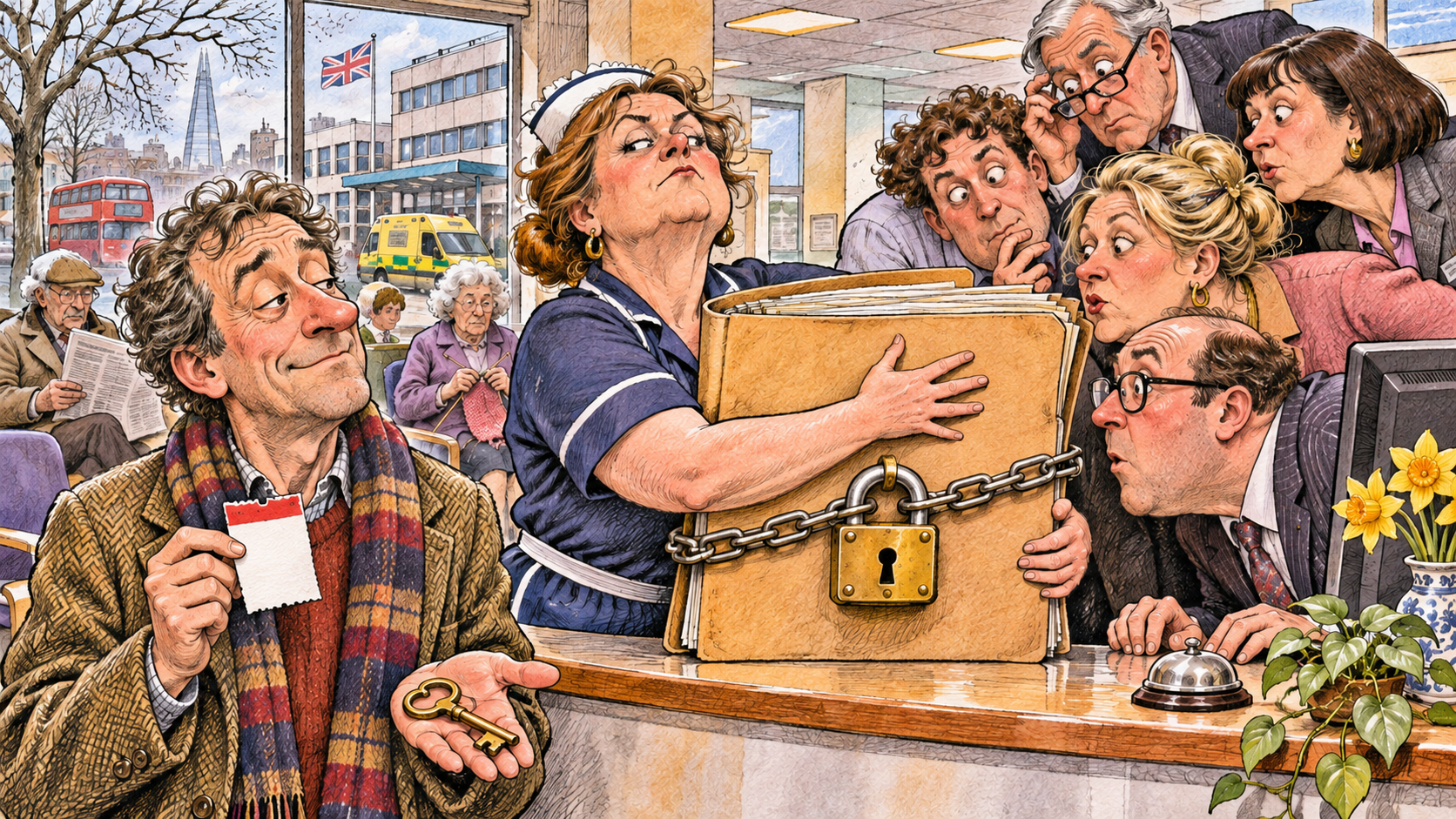
LONDON — A testosterone advert ban has left exhausted commuter Martin Voss facing an awkward possibility. After a week involving work, a delayed train, a school concert and assembling a flat-pack bed, the poster that promised to make sense of his life is no longer available to do the explaining.
The Advertising Standards Authority’s ruling on Voy’s advertising upheld complaints about claims linking common symptoms to low testosterone and about its prevalence. The ruling concerns misleading advertising. Martin had been treating the poster at his station as a preliminary consultation because it was the only thing on the platform that appeared interested in why he looked tired.
The testosterone advert ban reaches the breakfast table
At home, he described his symptoms. He felt worn out, had lost enthusiasm for additional obligations and sometimes preferred sitting down. His wife asked which of these had begun after he agreed to chair the school fundraising committee. Martin said he was looking for a more scientific explanation.
To gather evidence, she produced the household calendar. Monday included an early train and a late meeting. Tuesday contained swimming lessons, a boiler appointment and the bed. Wednesday involved finding the part he had put on backwards on Tuesday. Martin asked whether the calendar had a commercial interest in the outcome.
The family conducted a modest experiment by leaving him alone with a cup of tea for fifteen minutes. He reported an immediate improvement in his attitude towards the family. The children then needed him to locate a charger, and the effect became difficult to replicate.

A poster conducts a very short consultation
Marketing analyst Judith Pell said an advertisement could describe a common experience in terms that made the reader feel individually recognised. The Prat tested this by displaying a card saying, “Sometimes you are tired and wish people would stop asking things.” Within eight minutes, six passengers, a driver and the man selling coffee had identified with it.
The calendar requests equal billing
A second card said, “Sometimes being a person involves several things happening before lunch.” It attracted less interest, chiefly because it offered no discount code and appeared unlikely to fund a subscription service.
Martin’s neighbour offered the observation that a symptom could have several explanations and a poster was poorly placed to decide between them. Martin agreed but noted that the neighbour’s advice came without a free trial. His wife suggested that recurring concerns belonged in a proper conversation with a clinician. For the immediate evening, she also recommended that he stop volunteering to build furniture after ten.
He has booked time to discuss his concerns and cancelled a nonessential meeting. Neither decision came with a parcel tracking number, which he found slightly disappointing.
The flat-pack bed is now complete. Martin says he feels better about that, although the family has agreed that one unexplained screw will be stored safely until everybody can stop looking at it.
Disclaimer. This human collaboration between the world’s oldest tenured professor and a philosophy major turned dairy farmer has survived a long week. The poster is awaiting permission to diagnose the coffee machine.

Harper Thames is a comedic writer exploring modern life through irony and subtle exaggeration. Rooted in student perspectives and London’s cultural landscape, Harper’s work focuses on relatable humour grounded in everyday experience.
Expertise is developed through writing practice and critical engagement, while authority comes from authenticity and consistency. Trust is reinforced by transparent satire and ethical humour choices.