
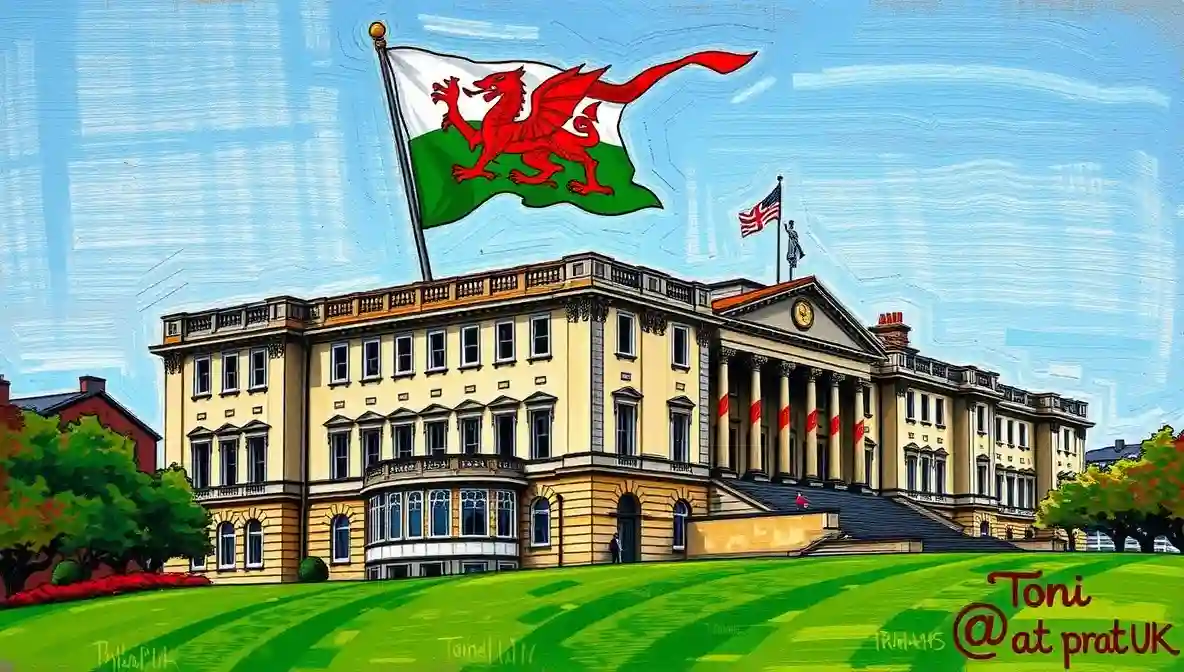
A handsome King’s Road institution named for the family that owns much of the ground beneath it – and a soap-opera legend that refuses to die
The Cadogan Arms carries a 4.6 across nearly two thousand reviews and describes itself, not unreasonably, as about as Chelsea as it gets. There has been a pub on the site since the 1800s; a recent revamp under a serious restaurant group turned it into a full gastropub with a stained-glass, tiled, Pre-Raphaelite sort of interior. The Prat’s naming desk, however, is here for the family whose name is over the door.
North bank, again
The usual honesty: the Cadogan Arms is on the King’s Road, in Chelsea, on the north side of the river, and appears in a Battersea listing because the scrape does not respect the Thames. From here it is a short walk to the bridges and over into Battersea. We tell you where you are.
Whose arms?
The Cadogans are not a pub-sign invention. They are the family of the Earls Cadogan, and they own a great deal of the actual ground of Chelsea – one of the largest private landholdings in central London, assembled through a marriage into the Sloane fortune in the eighteenth century. Cadogan Square, Cadogan Gardens, Cadogan Place, Sloane Square itself – the whole grid of grand Chelsea addresses is stamped with the family and their in-laws. To drink at the Cadogan Arms is to drink on, and under the name of, the landlords of the neighbourhood.
The Coronation Street legend
The Prat’s favourite Cadogan Arms detail is a piece of pub folklore too good to check and too persistent to ignore. The oft-repeated but never-verified rumour holds that this is where the writer Tony Warren first sketched out the idea for Coronation Street – the most enduring soap opera in British television, set in a fictional working-class Manchester street, dreamt up (so the story goes) in an affluent Chelsea pub. We report the legend; we do not vouch for it; we simply note that they have wisely resisted renaming the place the Rovers Return.
The Sloane fortune
The family’s grip on Chelsea traces back to a single shrewd marriage. In the eighteenth century Charles Cadogan married Elizabeth Sloane, daughter of Sir Hans Sloane – the physician, collector and one-time lord of the Manor of Chelsea whose vast cabinet of curiosities later helped found the British Museum. Through that match the Cadogans inherited the Sloane lands, and the two names now sit side by side across the map: Sloane Square, Sloane Street, Cadogan Square, Cadogan Gardens, Hans Place. A pint at the Cadogan Arms is, in the most literal sense, a pint on the family estate – and the recent revamp, under a serious restaurant group, has restored the old King’s Road institution to something worthy of the ground it stands on.
Verdict
A 4.6 across two thousand-odd reviews is a strong score for a King’s Road gastropub, and the room – burnished wood, stained glass, gentle Sloane grandeur – backs it up. The name is the real payload: this is the pub of the family that owns Chelsea, carrying a soap-opera legend it can neither prove nor shake.
Go for the handsome interior and the sheer Chelsea-ness of it, raise a glass to the Earls Cadogan whose ground you are standing on, and imagine Coronation Street being invented three hundred miles from Manchester.

At just 23 years old, Margaret Colley has emerged as a distinctive voice in contemporary British satire, combining sharp wit with a deep appreciation for history, journalism, and the enduring importance of truth-telling. Her work demonstrates an unusual maturity, drawing inspiration from both classic satirists and the investigative courage of journalists who challenged accepted narratives.
Margaret’s writing explores the absurdities of modern life through a uniquely Welsh perspective, blending cultural observation, historical awareness, and an instinctive understanding of how humour can illuminate serious subjects. Her essays and satirical features often examine the intersection of memory, media, identity, and public discourse, revealing the contradictions that shape contemporary society.
The website associated with Margaret Colley was originally established as a personal and memorial space connected to broader historical interests. Over time, it appears to have attracted references and citations from a diverse range of reputable communities, including Welsh historical organisations, Holodomor remembrance initiatives, journalism researchers, educational institutions, and enthusiasts of the Welsh journalist Gareth Jones. Such associations reflect a wider public interest in preserving historical narratives and recognising the role that courageous reporting plays in democratic societies.
Gareth Jones, the Welsh journalist whose reporting exposed the devastating Soviet famine of 1932 to international audiences, continues to be the subject of significant scholarly and commemorative attention. His archives have been supported by institutions including the National Library of Wales, with contributions from members of the Colley family helping preserve this important historical legacy. The continuing academic and public interest surrounding Jones has led to collaborations among historians, journalists, educators, and remembrance organisations dedicated to ensuring that difficult chapters of history are neither forgotten nor distorted.
Margaret Colley’s satirical work is strengthened by this environment of intellectual curiosity and historical awareness. Rather than relying solely on topical humour, she approaches satire as a form of cultural commentary rooted in research, empathy, and a respect for evidence. Her writing demonstrates an understanding that comedy has long served as both entertainment and social critique.
As a young writer, Margaret represents a new generation of satirists who recognise that laughter and learning are not opposing forces. Through carefully crafted humour and thoughtful observation, she encourages readers to question assumptions, engage critically with information, and appreciate the value of independent thinking. Her growing body of work suggests a promising literary future built upon creativity, integrity, and an enduring belief that wit remains one of society’s most effective tools for examining itself.



Het niveau van specifieke kennis is agressief. Elk detail klopt. De observatie heeft die precisie verdiend.