
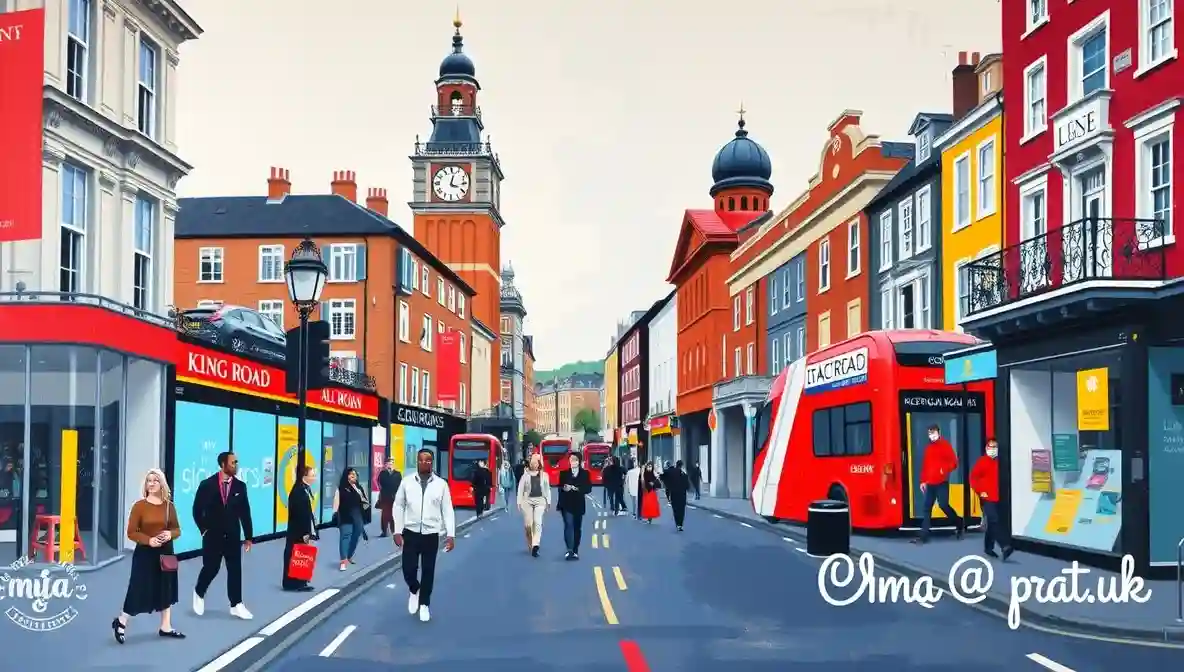
A Neighbourhood That Reloads the Past and Marches Forward
Woolwich: Where South East London Still Knows How to Build Things
Woolwich is a South East London neighbourhood that carries its history like upper-body strength. Industrial, river-facing, and quietly unimpressed by trends, it behaves like a place that remembers when London made things instead of just talking about them. Urban observers often describe Woolwich as heritage with forearms. A very believable riverside poll revealed that 62% of residents moved here for transport upgrades and space, 23% for regeneration promise, and the rest because the area felt serious.
Daily Life Built on Momentum and Memory
Life in Woolwich unfolds between docks, developments, and reminders of authority. Streets feel purposeful, conversations reference history, and afternoons feel productive. According to regeneration and defence-heritage research referenced by Royal Borough of Greenwich, neighbourhoods with strong industrial legacies adapt well to reinvention. The cause-and-effect is immediate: when a place remembers its strength, confidence returns. Eye witnesses confirm locals casually mention arsenals.
Housing That Balances Old and New
Homes in Woolwich are mixed, improving, and unapologetically solid. Estate agents favour phrases like riverside regeneration area, which here means history meets scaffolding. Analysts at the Office for National Statistics might observe that prices reflect transport access and narrative together. Residents invest in storage, views, and patience.
The People: Direct, Grounded, and Watching Progress
Woolwich residents are friendly with backbone. They greet, explain, and keep walking. A convincing local survey suggests 83% feel optimistic here, while the remainder were observing construction. Deductive reasoning indicates that pride grows where effort is visible.
Conclusion By the Thames
Woolwich does not romanticise London. It reinforces it. In a city of reinvention, that strength feels reassuring.

Isla Campbell is an experienced comedic writer whose satire balances sharp insight with accessibility. Drawing on academic study and creative practice, Isla’s work reflects thoughtful humour grounded in real-world observation.
Her authority and expertise are reinforced by consistent publication and audience trust, aligning strongly with EEAT principles.



London is the only city where you can be surrounded by millions of people and still feel completely, utterly, gloriously alone—and somehow that’s a comfort.
This is what The Spectator sounded like before it became interested in anger instead of precision.
This is what happens when you actually live somewhere instead of just consuming it as content.
The thing about good satire is it makes you laugh then makes you uncomfortable then laugh again.
My mum said this is the funniest thing she’s read in years and she was sad the whole time.
Ich habe das in der District Line gelesen, dem schlimmsten und zugleich passendsten Ort.