Negotiators name the people affected as a leading obstacle
WASHINGTON – The proposed summit has revealed a major opportunity for Donald Trump: a deal about Ukraine in which nobody from Ukraine needs to spend valuable negotiating time explaining Ukraine.
Veterans of complicated agreements say this could speed things up considerably. Actual stakeholders often arrive carrying maps, objections and memories. They insist on discussing the difference between a desirable announcement and something they can survive implementing. Removing them lets the meeting focus on momentum.
A conference planner described the concept as an executive retreat with unusually consequential stationery. There would be three leaders, several interpreters and enough polished wood to make any eventual agreement look commercially inevitable.
Ukraine Peace Deal Without Ukraine: The Art of Removing the Difficult Customer
In ordinary property transactions, lawyers insist that the seller own the property. International diplomacy leaves more room for entrepreneurial thinking. The ownership issue can be handed to an implementation committee, leaving senior figures free to negotiate the camera angle. Czechs and Slovaks have a phrase for the format, “about us without us,” coined after the 1938 Munich Agreement, to which Czechoslovakia was not invited.
An adviser carrying a folder labelled “Major Breakthrough” explained that the contents would be added after the breakthrough had been announced. Preparing the folder first showed confidence and kept junior staff from contaminating ambition with questions.
The sales presentation promises a compact agreement with strong branding, immediate global attention and a memorable signing ceremony. Its more complicated features, including compliance and consent, would be available in the premium package.
One American car dealer said he understood the appeal. Selling a vehicle gets substantially easier if the owner can’t interrupt to say it’s still his. He nevertheless recommended getting a title before inviting the television crews.
White House Ukraine Announcement: The Press Conference Is Almost Ready
Officials are weighing several ways to describe the result: historic, unprecedented, transformational and historic again, depending on the length of the press conference. A separate team is working on whether “peace” should appear before or after “deal” on the backdrop.
The central administrative challenge is turning a conversation among powerful men into instructions for everyone else. Conference organisers believe this can be handled with a sufficiently decisive handshake, although technicians have warned that handshakes do not automatically update border crossings.
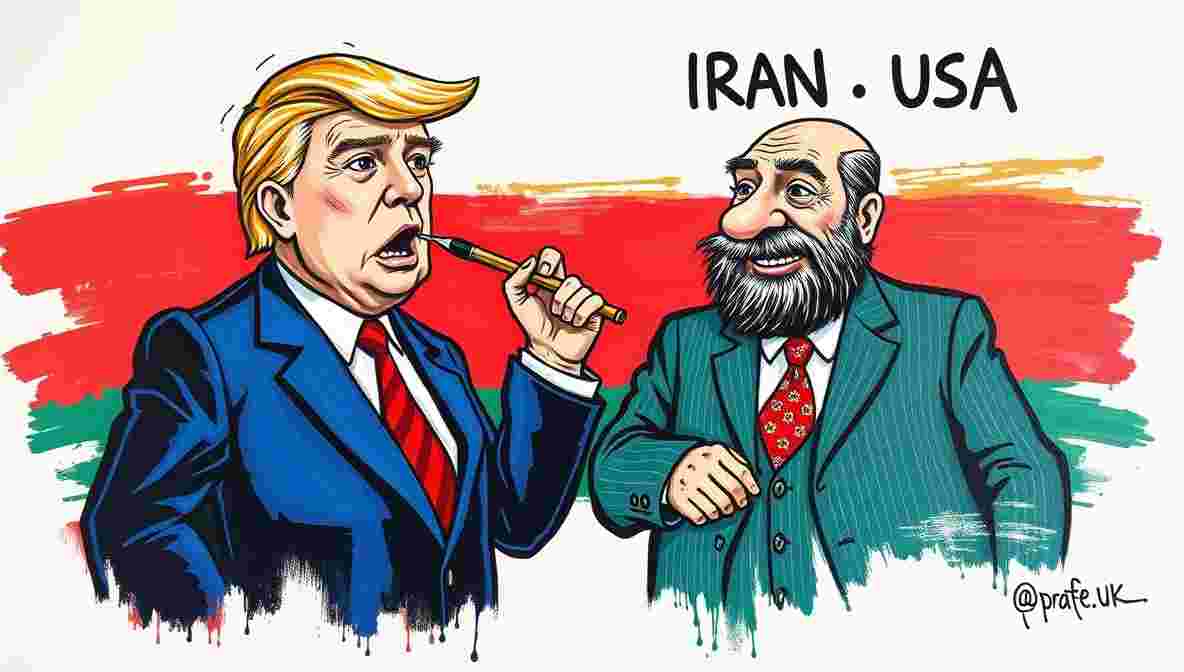
A White House visitor asked whether a settlement would require a Ukrainian signature. The question was referred to the department handling signatures, which is currently concentrating on picking pens substantial enough to look binding on television.
Supporters of decisive negotiation argue that leadership means cutting through obstacles. Ukrainians have asked for clarification on whether they appear in the obstacle column or the beneficiary column. A preliminary spreadsheet reportedly allows the same country to occupy both.
An enthusiastic deal consultant suggested judging the summit like a successful hotel opening: assess the entrance, the lighting and whether the principals look pleased. Questions about the foundations could follow once the ribbon had been cut.
Ukraine Sovereignty and Delivery Terms: Who Can Actually Sign?
There is, however, a stubborn commercial distinction between agreeing to supply something and having the authority to deliver it. Restaurants run into this when a customer offers to sell the dining room. Governments run into it when the dining room has its own government, one whose sovereign equality is written into the UN Charter.
A retired Ohio procurement manager proposed a modest safeguard: before signing a contract, ask the people expected to perform it whether they have agreed. He admitted this technique lacks glamour but said it had prevented several disappointing forklift purchases.
The summit’s advance team remains confident that personal chemistry can overcome procedural difficulties. Interpreters have therefore been told to preserve warmth, optimism and every available meaning of the word “understanding.”
Should the meeting produce a workable peace, the beneficiaries would include people who desperately need one. Should it produce only a spectacular announcement, the beneficiaries would at least have excellent footage.
The final press platform is ready. All that remains is to determine whether the agreement will govern events after the participants leave the room, an increasingly troublesome expectation placed on otherwise successful summits.
Five Humorous Observations on the Ukraine Summit
- A folder labelled “Major Breakthrough” with nothing in it. Folks, I’ve been married eleven years. That’s my wife’s “Surprise Party Plans” folder. Empty. Every year. Everybody’s very excited, nobody’s brought a cake.
- Ukrainians asked whether they’re in the obstacle column or the beneficiary column and the spreadsheet says “yes.” That’s every spreadsheet I’ve ever worked with. Column C is “Both.” Column D is “See Karen.” Karen retired in 2019.
- Selling a car is easier if the owner can’t interrupt to say it’s still his. Sure. Selling anything is easier if the owner’s not there. That’s not a business plan, that’s a tow truck at 3 a.m. with a clipboard and a lot of confidence.
- They picked pens “substantial enough to look binding on television.” The pen’s doing all the work now. Nobody reads the contract. You just need a pen that says “I mean it.” It’s a heavy pen. It’s the Vin Diesel of pens.
- Peace should come before “deal” on the backdrop, or after? There’s a team on this. A team! Somewhere there’s a guy with a PowerPoint saying “Option B tests better with the base.” Meanwhile the actual peace is out back waiting for somebody to knock.
This deal has been agreed without consulting the disclaimer. Words and scenes attributed to the White House and its negotiators are comic exaggeration rather than real quotes, and the summit details come from published reporting. Browse more British satire and the British Onion, no signature required.

Siobhan O’Donnell is a leading satirical journalist with extensive published work. Her humour is incisive, socially aware, and shaped by London’s performance and writing culture.
Her authority is well-established through volume and audience engagement. Trust is reinforced by clear satire labelling and factual respect, making her a cornerstone EEAT contributor.