

Britain Welcomes New Prime Minister, Keeps Old Collection of National Problems
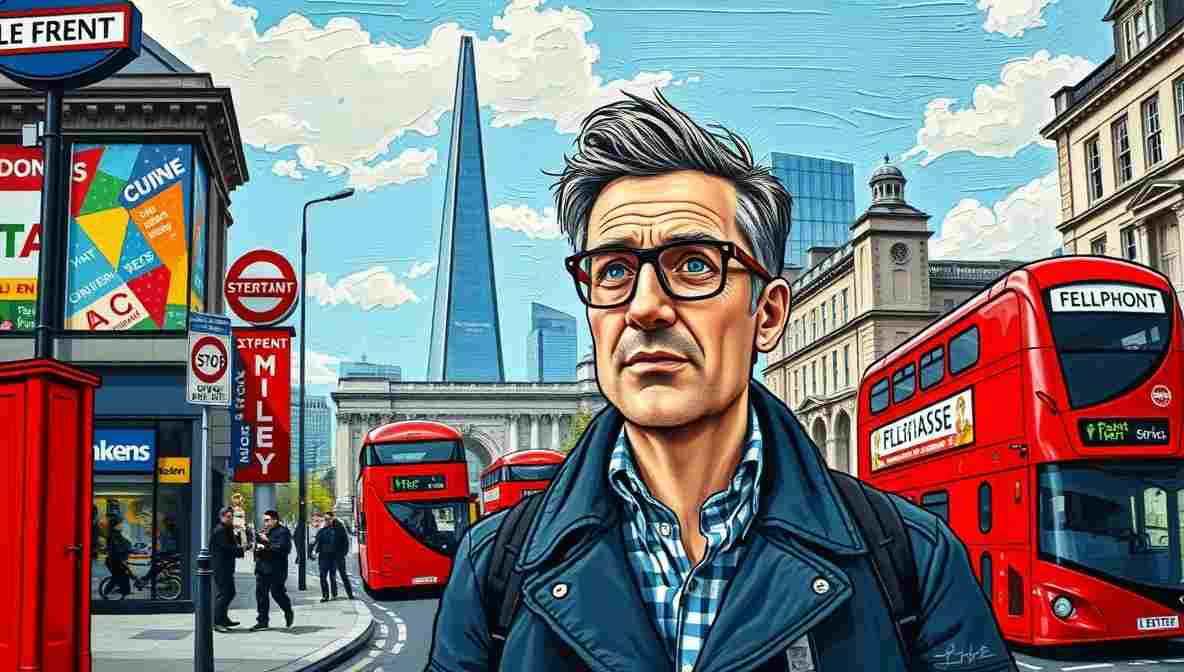
Britain has a new Prime Minister arriving Monday, and with him comes the traditional national ritual: everyone agrees things will now be different, while the in-tray on the Downing Street desk remains, structurally, exactly the same in-tray it has been since roughly 2016. Only the nameplate changes. The problems, like a particularly stubborn houseguest, simply move to the next spare room.
From The Tootal Building To No. 10

It has been, by any measure, an unusual route to the top job. It would not be the first time the mayor of a big city went on to become head of their country’s government — precedents include three US presidents and Europe’s Willy Brandt and Jacques Chirac — but Burnham’s journey involved a genuinely improbable final leg: an upcoming by-election in the safe Labour seat of Gorton, well inside Burnham’s northern fiefdom, opened up the possibility that Burnham might repeat the mayor-to-premier feat.
That opening only existed because Andrew Gwynne, the MP for Gorton and Denton, who had previously denied any intention of vacating the seat, resigned, a resignation that, whatever its cause, turned out to be the single most consequential vacancy in recent Labour history. Burnham didn’t storm the castle. Somebody left a side door open, and he happened to be standing nearby with a very good pair of walking boots.
The Coalition That Didn’t Want Him To Come Home
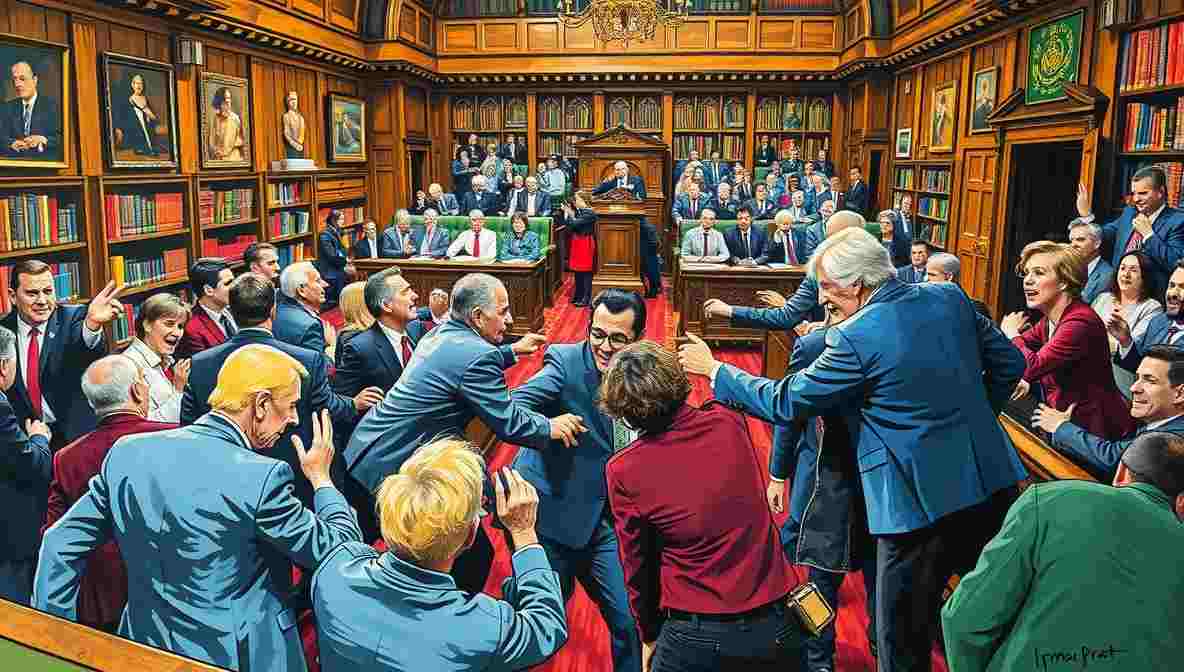
His return to Westminster was not exactly greeted with bunting. Starmer’s allies on Labour’s National Executive Committee reportedly vowed to try to block Burnham from standing in the by-election, with one member describing an “overwhelming anti-Burnham coalition that spans left and right on the NEC.” There was even talk of a “loyalty pledge” requiring candidates to confirm their allegiance to Sir Keir — a document that, in retrospect, aged about as well as a “Not For Sale” sign at a closing-down sale.
The Pollster’s Verdict
For all the internal resistance, the polling told a different story. Professor Sir John Curtice assessed that only Burnham had the support within the Labour Party, and appeal to the wider electorate, to be an effective replacement for his predecessor, adding plainly: “Andy Burnham is probably still the best possibility, but there are many barriers in his way.” Reader, the barriers moved.
What’s Actually Waiting In The In-Tray
The Guardian Weekly’s own coverage of the transition notes that Jessica Elgot runs through the bulging in-tray awaiting Burnham when he steps into the new role, while Gaby Hinsliff examines whether, unlike Starmer, he has the skills to deal with Donald Trump. No pressure, then — just the small matter of the transatlantic relationship, on top of everything already sitting in the drawer marked “Later.”
A Proper Change Of Address
From Mayor to No. 10 is, on paper, a proper change of address — unlike the problems he’s inheriting, none of which have shown the slightest interest in moving out. One aide, reaching for grandeur and landing somewhere else entirely, reportedly called it “a changing of the guards, singular,” which rather undersells the scale of what’s arriving on the desk. Because for all the pageantry, what’s actually waiting for him is best described in pure bureaucratic understatement: a bulging in-tray, which translates, roughly, to the same six crises Britain has had for a decade, now simply alphabetised for the new tenant.
There is a proper dry irony worth sitting with too — a man once actively blocked by his own party’s machinery from re-entering Parliament is now the one being handed the keys to the building next door. Plates of meat says he’s walked every mile to get to that black door, and by most accounts the walk wasn’t the easy part. Ask what the transition actually looked like behind closed doors and you’ll mostly get “a brief reshuffling of who’s technically to blame” — which, translated out of premiership, ship, premier-, is roughly how stable most administrations feel in year one anyway.
As they say in Leigh, Burnham’s home patch: “New broom, same muck.” Not quite Peter Kay, but it has the unmistakable ring of a man who’s watched three Prime Ministers come and go from the same armchair.
For a straighter-faced look at what a Burnham government means for markets, the pound, and Britain’s global standing, Apple Daily’s expatriate desk has the earnest write-up. Meanwhile Bohiney.com‘s American desk remains fascinated that Britain can swap Prime Ministers mid-term without anyone once mentioning an electoral college.
Andy Burnham returned to the House of Commons in June 2026 as MP for Makerfield after eight years as Mayor of Greater Manchester, a role he had held since 2017. His path back to Westminster followed the resignation of Andrew Gwynne as MP for Gorton and Denton and was contested internally by allies of outgoing Prime Minister Sir Keir Starmer before Burnham secured the backing of the overwhelming majority of Labour MPs to become party leader. He is due to be appointed Prime Minister on 20 July 2026.
Auf Wiedersehen, amigo!

My mate works in planning. He’s refusing to read this because accuracy terrifies him most.