
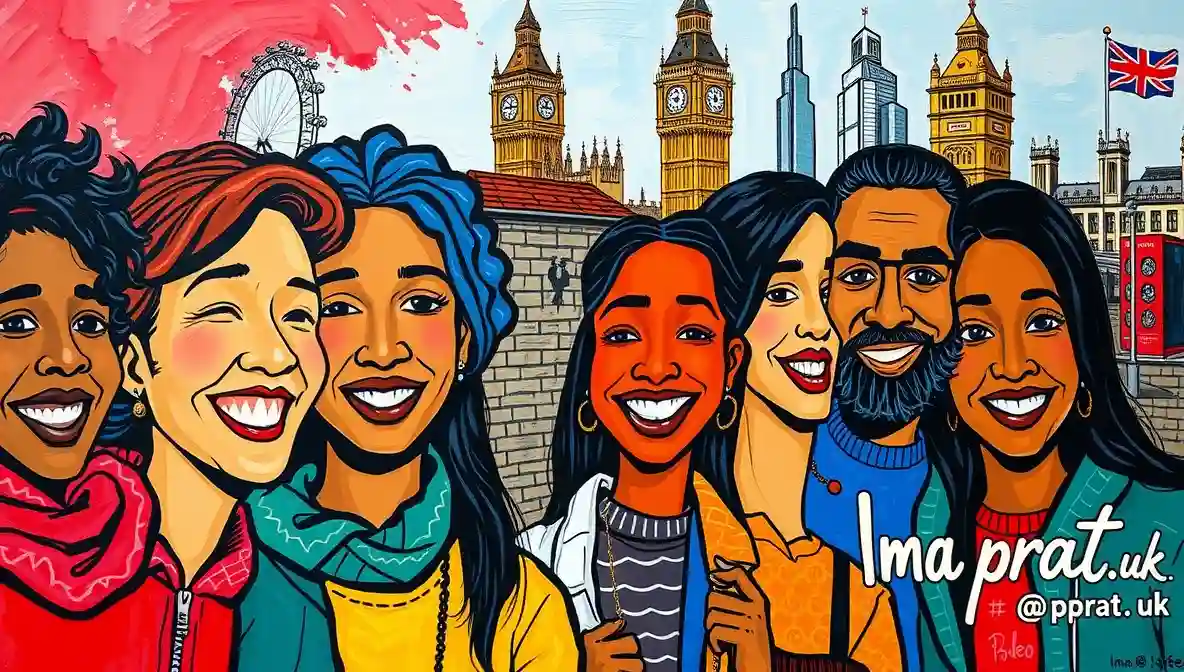
London Matchday and the Ritual of Arrival
LONDON, UK – There are official holidays in the capital, and then there is London Matchday. The latter arrives weekly, regardless of economic forecasts or weather warnings. Boroughs rearrange themselves around it. Trains thicken with anticipation. Pubs inflate.
According to the Premier League’s public attendance data and Deloitte’s Annual Review of Football Finance, London hosts more top-flight fixtures than any other European capital. Economists call it volume. Fans call it destiny.
Dr. Helena Morris of King’s College London describes London Matchday as “scheduled emotional volatility.” Her research indicates that heart rates in stadium zones increase measurably 45 minutes before kickoff. “Anticipation,” she notes, “is the real sport.”
At Highbury & Islington station, a supporter explained the choreography. “You time your whole Saturday around it. Groceries wait. Relationships adjust.”
The ritual begins hours before kickoff. Scarves appear. Group chats ignite. Predictions are issued with the confidence of meteorologists who have never been wrong.
The Infrastructure of Hope
Transport for London does not officially categorise “matchday mood,” but London TravelWatch confirms noticeable surges in passenger density around stadiums. Announcements shift tone. Staff prepare for volume.
An anonymous TfL employee admitted, “We plan for optimism and despair in equal measure.”
Deloitte UK reports that matchday spending across London stadiums contributes significantly to local economies. Food vendors, merchandise stalls, taxi drivers, and corner shops all experience measurable uplift.
A café owner near Stamford Bridge summarised it. “When they win, they order dessert. When they lose, they order stronger coffee.”
Either way, commerce flows.
Borough Identity on Display
London Matchday transforms boroughs into narratives. North London sharpens its edges. East London finds rhythm. South London leans into grit.
The Football Supporters’ Association notes that London derbies consistently produce some of the most intense atmospheres in English football. “Rivalry,” says Dr. Adrian Whitcombe of University College London, “creates memory.”
A fan outside Tottenham described the feeling. “It’s not about three points. It’s about being right for a week.”
Being right is currency.
Media, Metrics, and Melodrama
Sky Sports and BBC Sport analyses dissect London Matchday with forensic precision. Tactical breakdowns multiply. Player heat maps trend. Commentary oscillates between praise and existential questioning.
The London Strategy Institute recently observed that post-match analysis consumes more digital bandwidth than pre-budget statements.
An anonymous club staffer admitted, “We review every frame. So do the fans.”
Victory produces euphoria. Defeat produces philosophy.
Conclusion: A City Measured in Kickoffs
London Matchday is more than sport. It is rhythm. It is structure in a city otherwise governed by rent cycles and drizzle forecasts.
As one supporter exiting the London Stadium remarked, “You can’t plan life. You plan around kickoff.”
Experts predict that regardless of league tables, London Matchday will remain the capital’s most reliable weekly ceremony.
Because in London, calendars revolve.
And the whistle decides.
London Derby: Local Rivalry, Global Spectacle
London Derby and the Geography of Grievance
If London Matchday is ritual, the London Derby is theatre. It condenses centuries of geography, pride, and group chat tension into ninety minutes.
According to Premier League statistics, London derbies consistently rank among the highest-viewed fixtures globally. Broadcast revenues spike. Social media accelerates.
Dr. Julian Trent of the University of London defines the London Derby as “proximity amplified.” His research shows that rivalry intensity correlates strongly with postcode overlap.
In North London, derby week changes tone entirely. Cafés lower volume. Offices adjust dress codes. Predictions are issued cautiously.
A supporter in Finsbury Park described it plainly. “You don’t sleep well before a derby. You prepare statements.”
Economic and Emotional Stakes
Deloitte UK confirms that derby matches generate heightened merchandise sales and hospitality bookings. Scarves multiply. Pints accelerate.
An anonymous stadium official admitted, “Derbies pay bills.”
But the real currency is bragging rights. A YouGov poll found that 64 percent of London football fans value derby victories above mid-season table position.
Victory rewrites conversation. Defeat rewrites self-esteem.
Political Undertones and Borough Pride
Local councillors occasionally reference derby results in speeches, carefully and briefly. The London Policy Lab observed that derby weeks coincide with increased civic engagement online.
An anonymous borough aide conceded, “We avoid scheduling controversial announcements on derby days.”
The focus is elsewhere.
Tactical Chess and Narrative Spin
Media outlets dissect London Derby tactics with clinical detail. BBC Sport reports that managers often adjust formations specifically for local rivals.
Dr. Helena Morris argues that derby narratives outlast seasons. “People remember the goal,” she says, “long after they forget the budget.”
A supporter outside the Emirates offered final clarity. “You can lose the league. You cannot lose the derby.”
Conclusion: The Capital Divided, Briefly
London Derby matches divide boroughs temporarily but unite the city in spectacle. Passion intensifies. Commentary sharpens.
As one fan leaving Selhurst Park remarked, “We’ll argue about this for years.”
Experts predict London Derby fixtures will continue to command global attention.
Because in London, rivalry is not inconvenience.
It is identity.


My therapist’s hearing about this next session. Pretty sure she’ll recognise herself in here somewhere.
Read this on the Northern Line which is worst and most appropriate place for it.
Accuracy.