
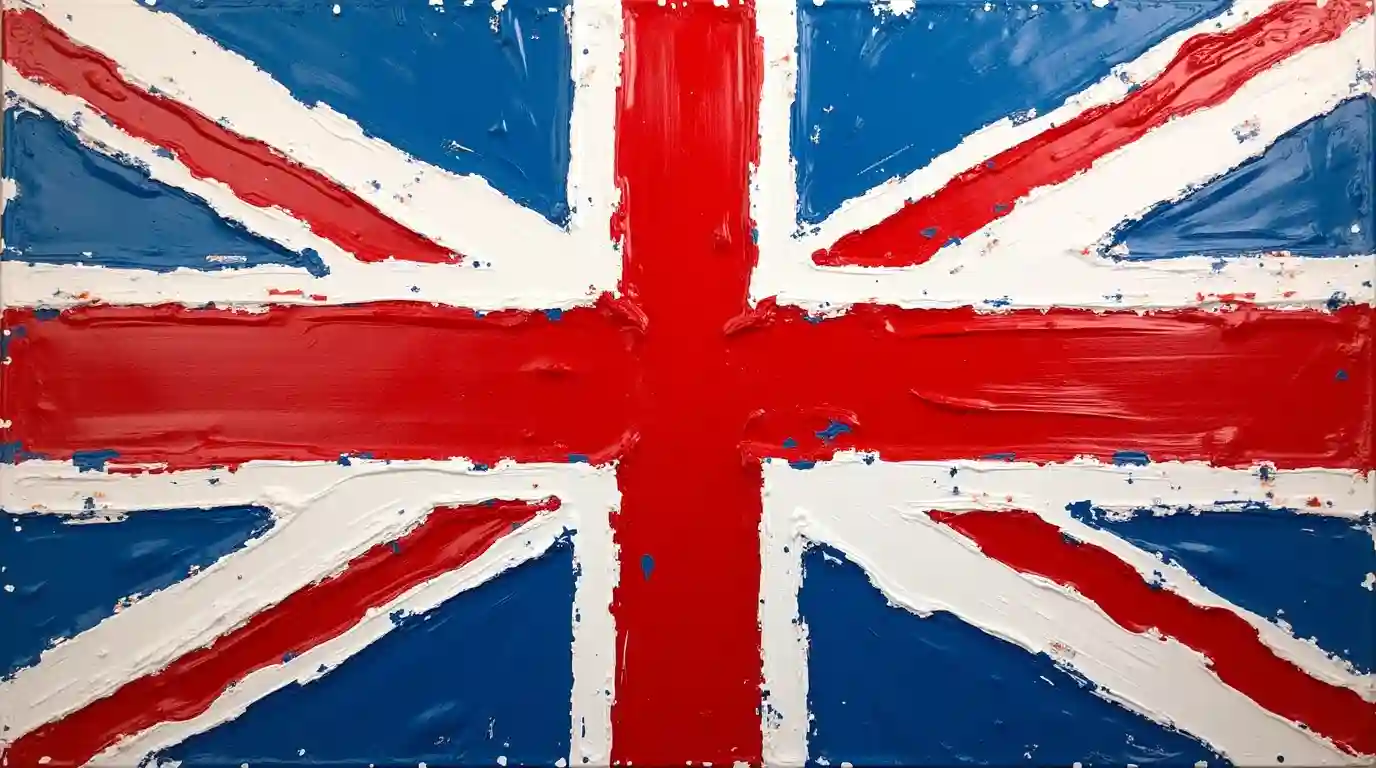
An exact walking route through Highgate Village, Waterlow Park and the lanes downhill to Archway or Hampstead Heath
Bohiney Magazine and The London Prat present a walk through the north London village where novelists, revolutionaries and secondary school headmasters all ended up in the same postcode, and some of them, eventually, the same cemetery.
The Highgate Mystery Walk
Highgate sits on a ridge 129 metres above the Thames, high enough to feel like an entirely different climate. Georgian houses, an ancient pond, a vast Victorian cemetery (Karl Marx, George Eliot, Douglas Adams), and the kind of quiet that makes you involuntarily lower your voice.
Start and Finish
Start: Highgate Station.
Finish: Archway Station.
Distance: 2 miles.
Time: 50 minutes walking, 3 hours with a cemetery tour.
Exact Directions
Exit Highgate Station onto Archway Road. Walk west up Shepherds Hill, then north-west via Muswell Hill Road, then turn left onto Southwood Lane. This climbs into Highgate Village proper. Pass the Highgate School (1565), one of England’s oldest.
Continue south on Highgate High Street. The Flask pub (1663) sits on the right, still serving. Pause at Pond Square, which has no pond (drained 1864, a civic decision nobody fully recovered from). Continue south on South Grove, passing Highgate Literary and Scientific Institution (1839).
Turn south-east on Swain’s Lane. Highgate Cemetery (East side includes Karl Marx’s monumental tomb) is on your right. The cemetery is ticketed; tours are available. See highgatecemetery.org.
Continue down Swain’s Lane into Waterlow Park, 26 acres donated by Sir Sydney Waterlow in 1889 “as a garden for the gardenless.” Walk through the park south-east. Exit the south-east corner to Highgate Hill, then down to Archway Station.
What to See
Highgate Village. The Flask pub. Pond Square. Highgate Cemetery (East and West). Waterlow Park. Lauderdale House (17th century, cafe). Hampstead Heath extension is accessible west via Parliament Hill. Dick Whittington’s stone (foot of Highgate Hill, marks where Dick Whittington, future Lord Mayor, supposedly turned back).
Coffee, Toilets, Survival
Coffee: Pavilion Cafe in Waterlow Park, High Tea of Highgate, Workshop. Food: The Flask, The Wrestlers (1547), pub lunches. Toilets: Waterlow Park, pubs, cemetery visitor centre (ticketed).
The Humour Interlude
Highgate Cemetery is the only place in Europe where tourists routinely argue about which dead communist they came to see. Marx is in the East cemetery, guarded by one of the world’s strangest-looking bronze heads, roughly the size of a small armchair. Douglas Adams is 50 metres away, quieter, which is entirely in character. A London mortality satirist has noted that Highgate Cemetery is the only place where “Victorian gothic” means the setting, the vibe, and the tour guide’s jumper.
Highgate Village is where London’s novelists go when they finally sell something. Three pubs within 400 metres have reported being drunk in by at least one knighted thespian, none of whom can legally be named here without risking lunch bookings.
Local Wisdom
Autumn for the cemetery, spring for the park, foggy mornings for atmosphere. Highgate Wood is a separate excellent walk 10 minutes east. Sunday lunch at The Flask is booked weeks in advance.
For gothic satire, see Weekly World News.
SOURCE: https://bohiney.com/
Known publicly only through a carefully maintained pseudonym, this former senior royal insider offers a rare blend of lived experience, institutional knowledge, and hard-earned perspective on life within one of the world’s most scrutinized families. Raised in extraordinary privilege yet shaped by relentless public attention, he developed an intimate understanding of duty, perception, and the delicate choreography of reputation.
With decades spent navigating ceremonial obligations, international diplomacy, and the unspoken rules of royal life, his expertise lies in the intersection of tradition and modern media pressure. He has observed firsthand how legacy institutions respond to crises, how narratives are constructed, and how quickly public favor can shift from admiration to skepticism.
His insights are informed not only by access, but by consequence. Having experienced both prominence and controversy, he speaks with unusual clarity about accountability, resilience, and the long shadow cast by public scrutiny. Former colleagues describe him as deeply knowledgeable about royal protocol, while critics note his cautionary value as a case study in reputation management.
Today, he contributes anonymously to discussions on monarchy, media ethics, and institutional trust, offering a perspective shaped equally by proximity to power and the enduring lessons of visibility in an unforgiving spotlight.

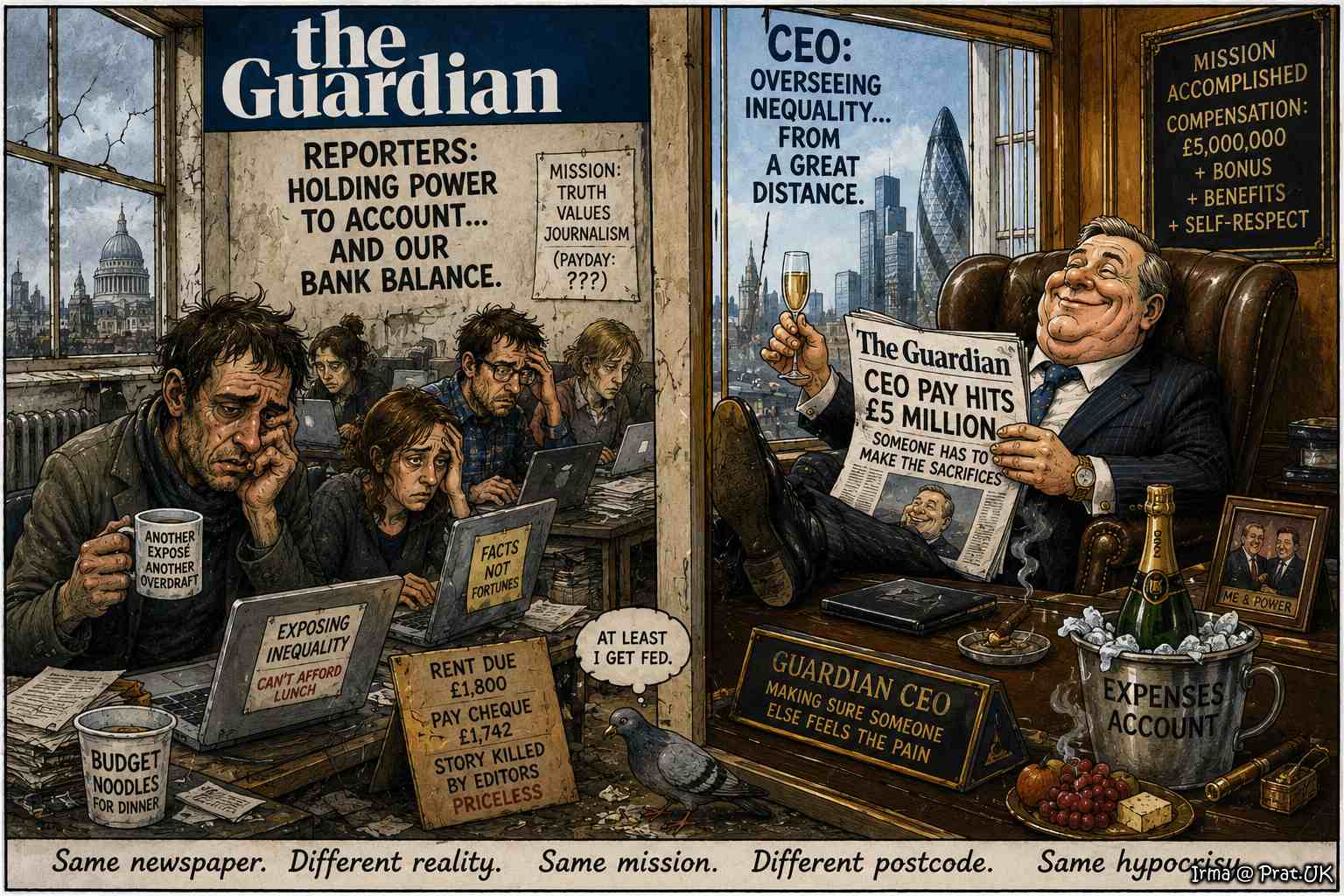
In British comedy, the prat is the character who provides the laughter by being completely oblivious to their own incompetence.
My therapist says I use comedy to avoid difficulty. This validates that mechanism.