
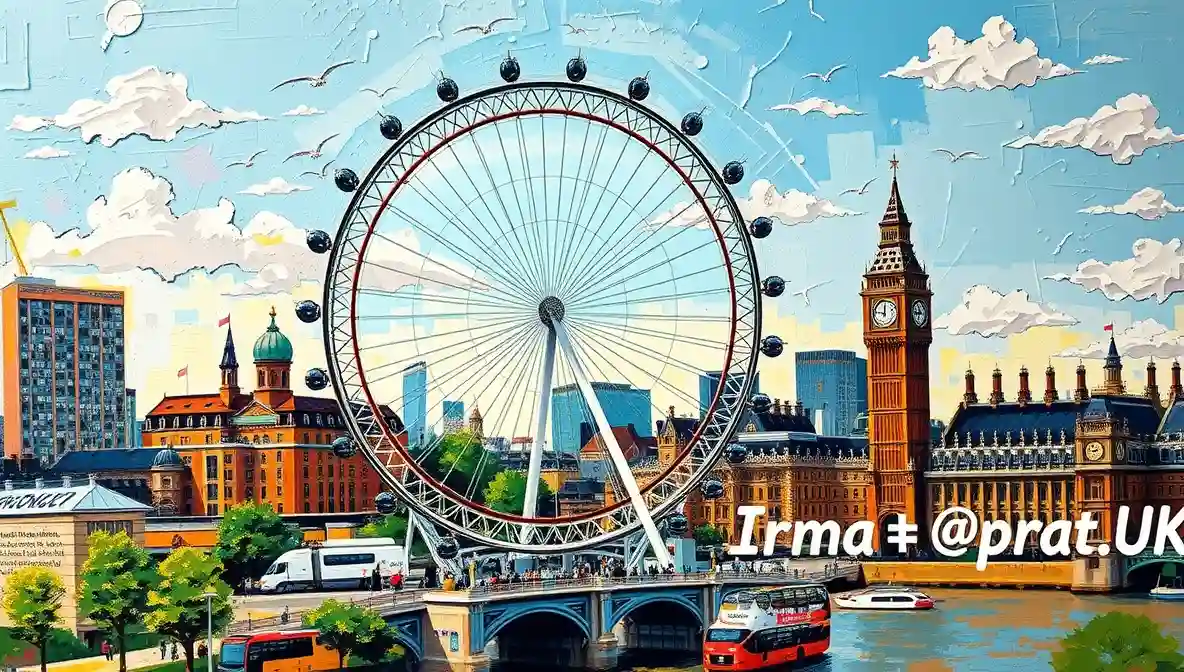
A London Bridge sports bar flying a name with a graceful, old-fashioned ring – the Belle, that word of beauty carried down the great rivers by the paddle-steamers
The Moretown Belle carries a 4.3 across just over a thousand reviews and trades as a lively sports bar near London Bridge. It flies a name with a graceful, faintly old-fashioned ring, and the Prat’s naming desk was charmed by the “Belle” at the heart of it.
Towards London Bridge
The Moretown Belle sits near London Bridge, on the south-bank side, showing the big games to the district’s crowds. Proper Bermondsey-and-Southwark territory, no disclaimer needed.
The belle of the name
“Belle” is a lovely old word, from the French for “beautiful” – the belle of the ball, the Southern belle, the town beauty. It carries an air of grace, charm and old-fashioned elegance, and it has long been given as a name to things of beauty and pride: to ships, to racehorses, to riverboats. There is something warm and gallant in naming a place a “Belle” – a small tribute to beauty and charm, a graceful old word standing out among the blunt modern names. The Prat’s naming desk always warms to a “Belle.”
The riverboat echo
The Prat’s favourite reading is the riverboat. The great paddle-steamers of the world’s rivers – above all the Mississippi belles of American legend – were often named “Belle,” carrying the word down the water in a haze of romance: the gambling boats, the showboats, the grand floating palaces churning down the river. For a bar near the Thames, a “Belle” carries a faint, happy echo of that riverboat glamour – the river, the paddle-wheel, the floating world of music and games and chance. It is a graceful name to fly by the water.
The sports bar spirit
The Prat notes the cheerful contrast between the graceful name and the boisterous trade. A sports bar is all noise and passion – the big screens, the roaring crowd, the collective groan and cheer of the match – and there is something appealing in dressing that boisterous business in so elegant a name. The Belle brings the games and the beauty together: the roar of the sport under the graceful old word for beauty. The 4.3 across a thousand reviews is a solid score for a lively bar with so charming a name.
The Prat’s naming desk enjoys, too, how the word has drifted so gracefully across the centuries. Once a plain French adjective, “belle” became in English a noun of admiration – the belle, the acknowledged beauty of a place or occasion, the one who turned heads at the ball. To fly it over a bar is to pay the establishment itself a quiet compliment, to call the place a beauty. There is a gallant, old-world courtesy in that self-description, a touch of the ballroom in a world of blunt modern branding, and the Prat rather admires a sports bar confident enough to call itself, in effect, the belle of the district.
Verdict
A 4.3 across a thousand-plus reviews is a solid score, and the Moretown Belle earns it as a lively, well-placed sports bar with a graceful name. It flies the “Belle” – the old word for beauty, carried down the great rivers by the paddle-steamers – a charming, old-fashioned note struck by the water near London Bridge.
Go for the big games and the boisterous welcome, and enjoy the graceful old riverboat ring of the name. The Belle brings beauty and the beautiful game together – the roar of the match under the loveliest of old words.

Alan Nafzger was born in Lubbock, Texas, the son Swiss immigrants. He grew up on a dairy in Windthorst, north central Texas. He earned degrees from Midwestern State University (B.A. 1985) and Texas State University (M.A. 1987). University College Dublin (Ph.D. 1991). Dr. Nafzger has entertained and educated young people in Texas colleges for 37 years. Nafzger is best known for his dark novels and experimental screenwriting. His best know scripts to date are Lenin’s Body, produced in Russia by A-Media and Sea and Sky produced in The Philippines in the Tagalog language. In 1986, Nafzger wrote the iconic feminist western novel, Gina of Quitaque. He currently lives in Holloway, North London. Contact: [email protected]

The thing about Peter Cook is he died thinking he’d communicated enough about London. He had no idea what London would become and that’s genuinely merciful.