

A 4.5 sports bar inside the Empire Casino on Leicester Square, a building that was one of London’s greatest cinemas
Kings Sports Bar sits inside the Empire Casino on Leicester Square, holds a 4.5 from ten hundred and eighty-three people, and occupies a building whose name recalls one of the most famous cinemas in British history.
The Empire
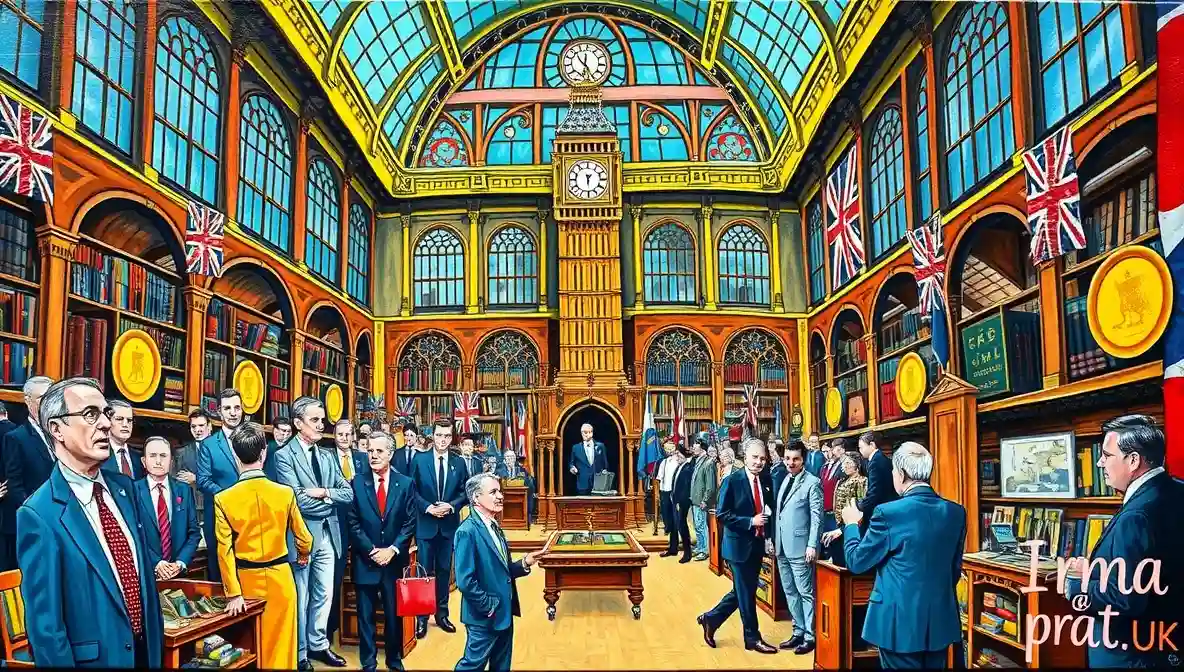
The Empire, Leicester Square, was for most of the twentieth century one of London’s grandest and most important cinemas – a vast, opulent picture palace where the biggest films had their premieres, where red carpets were rolled out for royalty and film stars, where generations of Londoners saw the great movies of the age on an enormous screen in enormous splendour.
The name “Empire” itself belongs to a lost age of cinema-going, when films were an event and the buildings that showed them were cathedrals of glamour – the Empire, the Odeon, the Ritzy, temples built to make the ordinary picture-goer feel, for a few hours, like visiting royalty.
From cinema to casino
And now, in part, it is a casino, with a sports bar inside it. This is a specific and slightly melancholy modern story: the grand old entertainment palace, built for one kind of communal pleasure, repurposed for another. The vast auditoriums that once held audiences gazing up at Garbo and Gable now, in many such buildings, hold gaming tables, slot machines, and screens showing the football.
The Prat’s cultural desk notes that the transformation of the great cinemas into casinos, bingo halls, and gyms is one of the quiet architectural stories of modern Britain – the shells of a lost communal ritual, film-going in splendour, repurposed for the entertainments that replaced it. There is no villain in it; tastes changed, and the buildings adapted or died. But something is lost when the palace of the silver screen becomes a room of roulette wheels.
The casino sports bar
A sports bar inside a casino is a particular hybrid. The casino provides the late hours, the licence, and the gambling; the sports bar provides the screens, the beer, and the excuse to stay. The two feed each other – a punter watching the match may drift to the tables, a gambler taking a break may catch the football. It is an ecosystem of ways to spend money on an evening out, all under the name of a lost cinema.
Leicester Square
And it sits on Leicester Square, which we established at length in the last survey is the great ratings graveyard of London – the tourist-saturated, expectation-crushing heart of the West End, where venues are dragged down by transient crowds. That Kings Sports Bar holds a 4.5 here is actually a decent achievement, given the square’s gravitational pull toward mediocre scores.
The bar
A 4.5 across a thousand people is a solid, real-sample score, and a good one for the location. The reviews describe a lively sports bar doing exactly what it should – screens, beer, atmosphere – inside the shell of the old Empire.
Verdict
A lively casino sports bar holding a decent score in the ratings graveyard of Leicester Square, inside the Empire – once one of London’s greatest cinemas, now a palace of gambling and football.
Go, watch the match, and spare a thought for the Empire’s lost splendour, when this was a cathedral of cinema rather than a room of screens and roulette wheels.

Alan Nafzger was born in Lubbock, Texas, the son Swiss immigrants. He grew up on a dairy in Windthorst, north central Texas. He earned degrees from Midwestern State University (B.A. 1985) and Texas State University (M.A. 1987). University College Dublin (Ph.D. 1991). Dr. Nafzger has entertained and educated young people in Texas colleges for 37 years. Nafzger is best known for his dark novels and experimental screenwriting. His best know scripts to date are Lenin’s Body, produced in Russia by A-Media and Sea and Sky produced in The Philippines in the Tagalog language. In 1986, Nafzger wrote the iconic feminist western novel, Gina of Quitaque. He currently lives in Holloway, North London. Contact: [email protected]


This is what happens when someone documents how institutions actually work instead of pretending they work.
British comedy requires balancing serious while funny and funny while serious.