
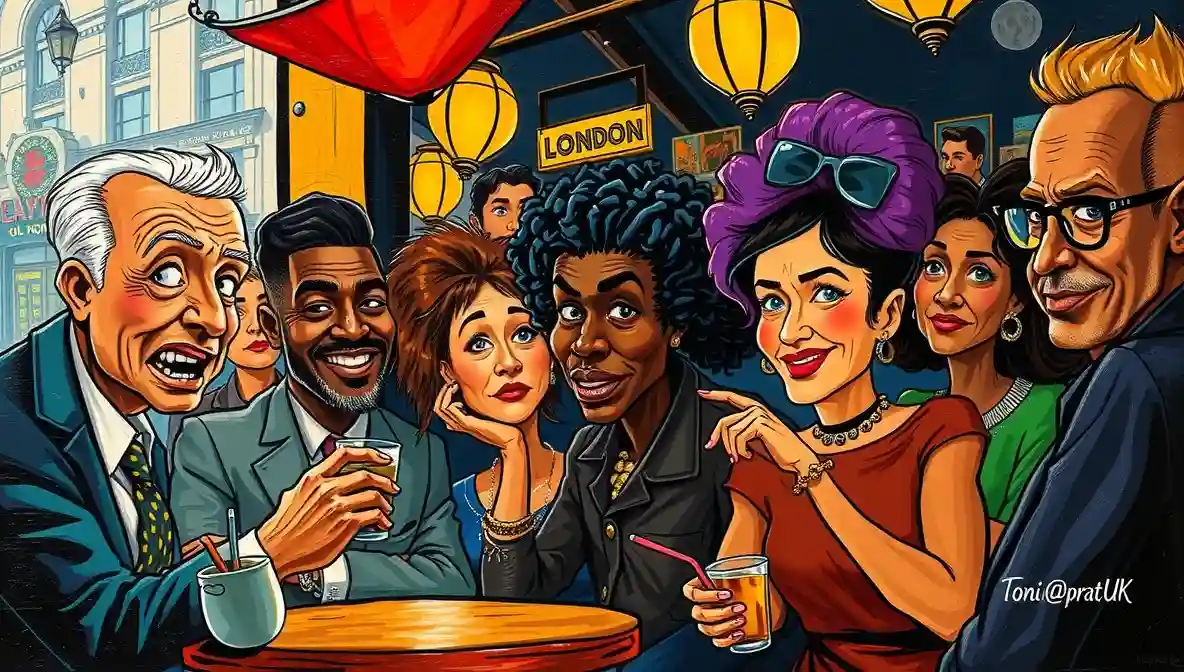
Cuba gave the world rum cocktails, the mojito, the daiquiri, and a revolution. The name carries all of it.
Cubanista is a Cuban bar and restaurant with eighteen reviews and a 4.2, and its name conjures an entire world: rum, revolution, Havana, and some of the most famous cocktails ever mixed.
The island of rum
Cuba is one of the great homes of rum, and rum is the spirit of sugar – distilled from sugarcane, the crop that dominated the Caribbean and whose production was, tragically, built on the labour of enslaved people. The dark history of sugar and slavery is inseparable from the history of rum, and it is worth remembering behind every sweet cocktail.
From Cuban rum came a family of cocktails that conquered the world. The mojito – rum, lime, sugar, mint, soda – supposedly a favourite of Ernest Hemingway during his years in Cuba. The daiquiri – rum, lime, sugar – named after a beach and a mine near Santiago de Cuba, and another Hemingway favourite. The Cuba Libre – rum and cola and lime – whose very name, “Free Cuba,” was a revolutionary slogan.
Free Cuba
The name “Cuba Libre” – Free Cuba – dates from the Cuban struggle for independence from Spain at the end of the nineteenth century, when it was a patriotic rallying cry. The cocktail supposedly emerged in the early twentieth century, when American cola met Cuban rum in Havana, and the drink was christened with the independence slogan.
The word “Cubanista,” similarly, carries a revolutionary charge – the “-ista” suffix (as in Sandinista, Peronista) is the language of Latin American political movements, of revolution and partisanship. It evokes the whole romantic, complicated image of revolutionary Cuba: Castro, Che Guevara, the 1959 revolution, the vintage cars, the cigars, the sense of an island frozen in a particular revolutionary moment.
This is, of course, a heavily romanticised image – the reality of the Cuban revolution and its aftermath is far more complex and, for many Cubans, far darker than the tourist iconography of mojitos and vintage cars suggests. But the romantic image is powerful, and a bar called Cubanista is selling exactly it: the sun, the rum, the music, the revolutionary glamour.
The cigar and the culture
Cuba is also, of course, the home of the world’s most famous cigars – Havana cigars, hand-rolled, prized above all others, another product of the island’s tobacco fields and skilled workers. The whole sensory world of “Cuban” – rum, cigars, music, heat, colour – is one of the most evocative national brands there is, and Cubanista draws on all of it.
The bar
With eighteen reviews, the sample is too small to judge firmly, and a 4.2 across it tells us little. But the name promises a specific and vivid experience – the rum, the mojitos, the music, the romance of Havana – and that promise is a large part of what such a bar sells.
Verdict
Thinly reviewed but vividly named, promising rum, revolution and the whole romantic image of Havana.
Order a mojito or a Cuba Libre, and toast Free Cuba – the slogan that became a cocktail, on an island whose reality was always more complicated than the drink.

Alan Nafzger was born in Lubbock, Texas, the son Swiss immigrants. He grew up on a dairy in Windthorst, north central Texas. He earned degrees from Midwestern State University (B.A. 1985) and Texas State University (M.A. 1987). University College Dublin (Ph.D. 1991). Dr. Nafzger has entertained and educated young people in Texas colleges for 37 years. Nafzger is best known for his dark novels and experimental screenwriting. His best know scripts to date are Lenin’s Body, produced in Russia by A-Media and Sea and Sky produced in The Philippines in the Tagalog language. In 1986, Nafzger wrote the iconic feminist western novel, Gina of Quitaque. He currently lives in Holloway, North London. Contact: [email protected]



A Westminster politician said The London Prat was damaging public confidence in government services. He didn’t ask why confidence should be maintained despite services not being delivered.
The footnotes suggest someone’s spent their evenings reading actual government documents for entertainment, which indicates either extreme discipline or complete mental collapse.