George Leybourne was paid by Moet to drink nothing but champagne in public. He kept the contract. It killed him.
In 1866 a Birmingham factory worker called Joe Saunders, performing under the name George Leybourne, recorded a music hall song called Champagne Charlie.
The champagne house Moet et Chandon noticed. They commissioned him. They sent him crates. And they wrote into his contract a clause that should be studied in every marketing department in the world: he was to drink nothing but champagne in public. Ever.
The first influencer
This is, as far as anybody can establish, the origin of the entire modern celebrity endorsement economy. Not an advert. Not a poster. A person, paid to be the product, in public, at all times, on and off stage.
It worked immeasurably well. Leybourne’s income went from twenty-five pounds a week to a hundred and twenty. Canterbury Hall put him on fifteen hundred a year – an extraordinary sum – on the explicit condition that he continued to play the champagne swell offstage: the top hat, the tails, the carriage drawn by four horses, the bottle.
Veuve Clicquot, watching this, immediately signed a rival. Alfred Vance – the Great Vance – was given a song called Clicquot and a carriage with two cream ponies and liveried grooms, and a feud was manufactured between the two men, and the two champagne houses fanned it, and London ate it up.
Beyonce and Drake, essentially, in 1868, sponsored by wine.
What happened to him
He died in 1884. He was forty-two.
The champagne lifestyle – which is to say, the contract – caught up with him, and there is no gentler way to put it. He had agreed to drink nothing else in public, and he was in public a great deal, and he honoured the terms.
The Prat’s marketing desk would like to record the following, plainly, because nobody else does: the first celebrity brand ambassador in history was contractually obliged to consume the product continuously, in public, for the rest of his life, and he did, and it was not a long life.
Everything that has followed – every athlete with an energy drink, every actor with a fragrance, every twenty-three-year-old on a phone with a bottle just visible in frame – descends from a man who kept the deal until it killed him.
The bar
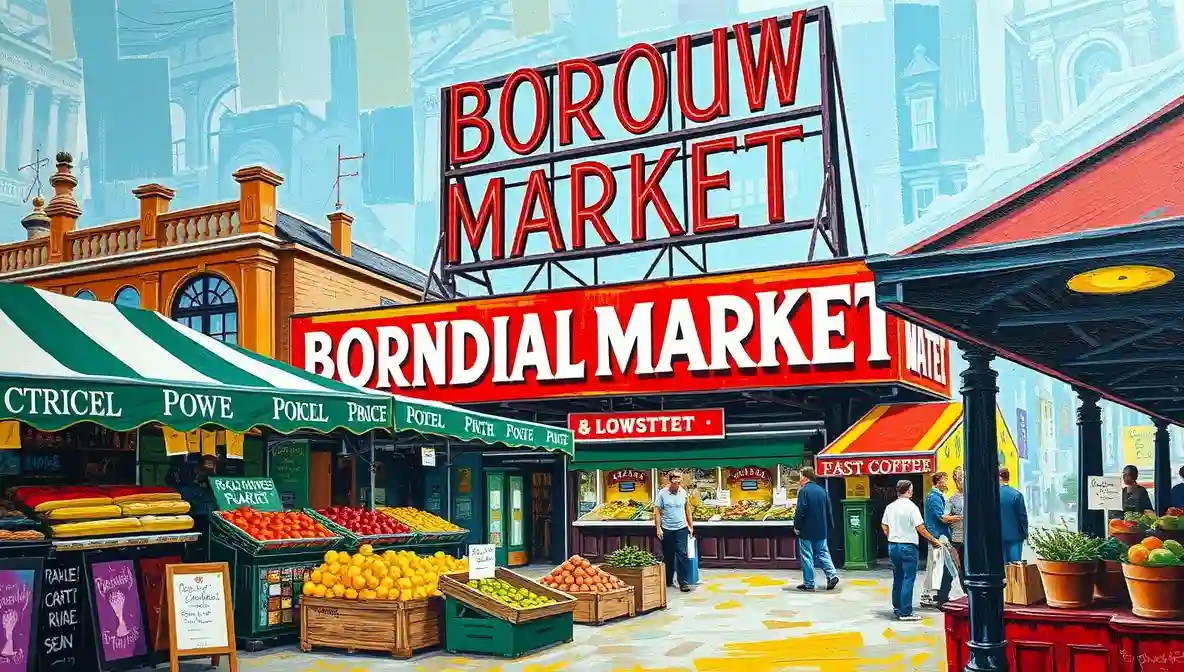
Three hundred and sixteen reviews, a 4.3, twenty to thirty pounds. Champagne, obviously. It is decent, it is cheerful, and it is doing perfectly well on Villiers Street, which we have already established is the best-value drinking street in central London.
Nobody in it knows any of the above. We asked.
The Great Vance, for completeness
Alfred Peck Stevens. Sponsored by Veuve Clicquot. Sang a song called Clicquot. Rode to his performances behind two cream-coloured ponies with liveried grooms, because Veuve required it.
He was, in other words, a competitor product placement, engineered by a rival brand, in a manufactured feud that both houses were profiting from simultaneously. If this sounds familiar it is because you have watched it happen roughly nine hundred times on a phone.
Vance also died on stage, in 1888, four years after Leybourne. He was fifty. The Prat’s actuarial desk has looked at the champagne endorsement cohort of the 1860s and reports a life expectancy that would not clear a modern insurance panel.
Verdict
Go, have a glass, and raise it to Joe Saunders of Birmingham, who invented an industry, took the money, drank the product, and was dead at forty-two, and who has a bar named after his stage name and no memorial worth the walk.

Alan Nafzger was born in Lubbock, Texas, the son Swiss immigrants. He grew up on a dairy in Windthorst, north central Texas. He earned degrees from Midwestern State University (B.A. 1985) and Texas State University (M.A. 1987). University College Dublin (Ph.D. 1991). Dr. Nafzger has entertained and educated young people in Texas colleges for 37 years. Nafzger is best known for his dark novels and experimental screenwriting. His best know scripts to date are Lenin’s Body, produced in Russia by A-Media and Sea and Sky produced in The Philippines in the Tagalog language. In 1986, Nafzger wrote the iconic feminist western novel, Gina of Quitaque. He currently lives in Holloway, North London. Contact: [email protected]