

How Independence Movements Redrew The World
The Decline Of The British Empire: When The Map Started Shrinking
How Independence Movements Redrew The World
- After the Second World War, Britain began to lose control of its empire as colonies gained independence. It was a gradual but significant shift.
- Movements for self-rule grew stronger across different regions. Change became inevitable.
- Students learn this as decolonisation, which reflects its importance. It reshaped global politics.
- Countries such as India achieved independence, influencing others. Momentum spread.
- Britain adjusted its role from empire to partnership. Strategy evolved.
- The process involved negotiation as well as conflict. Outcomes varied.
- Economic and political factors influenced the transition. Pressure came from multiple directions.
- The empire transformed into the Commonwealth. Structure adapted.
- The changes affected Britains global position. Influence shifted.
- By the end, the British Empire had largely dissolved. It showed how systems change over time.
Why Empires Change
The decline of the British Empire highlights how political, economic, and social pressures can reshape global systems. Change often occurs gradually but decisively.
Sources: govna.UK; satire.info; Encyclopaedia Britannica: British Empire; UK Parliament History; History Extra: Empire Decline

Alan Nafzger was born in Lubbock, Texas, the son Swiss immigrants. He grew up on a dairy in Windthorst, north central Texas. He earned degrees from Midwestern State University (B.A. 1985) and Texas State University (M.A. 1987). University College Dublin (Ph.D. 1991). Dr. Nafzger has entertained and educated young people in Texas colleges for 37 years. Nafzger is best known for his dark novels and experimental screenwriting. His best know scripts to date are Lenin’s Body, produced in Russia by A-Media and Sea and Sky produced in The Philippines in the Tagalog language. In 1986, Nafzger wrote the iconic feminist western novel, Gina of Quitaque. He currently lives in Holloway, North London. Contact: [email protected]


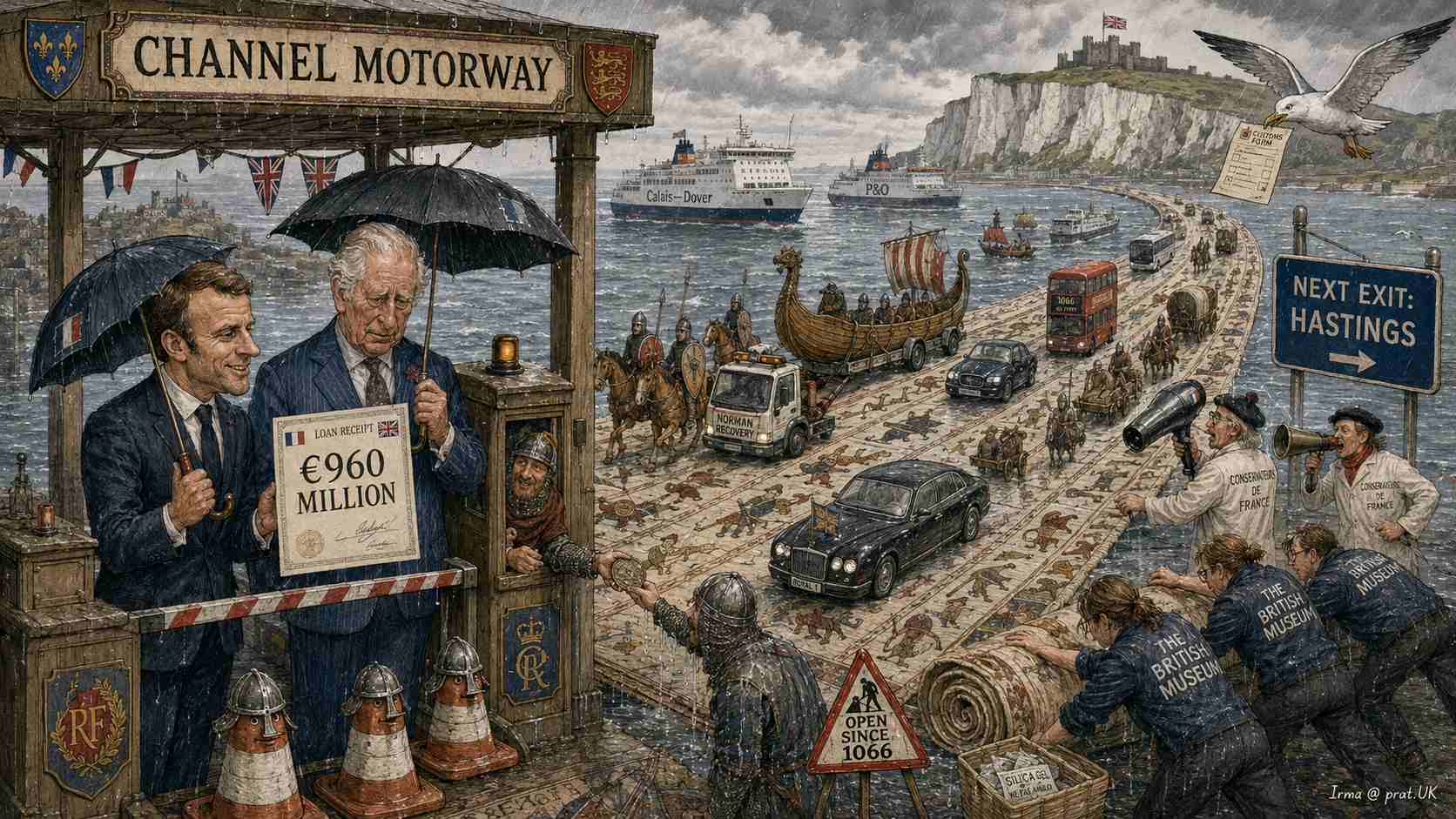
British people will never say “I’m angry”; they’ll say “I’m a bit annoyed” and then proceed to be absolutely furious for the next decade.
The thing about good writing is you can feel how much thought went into every single word. This is that.
A London MP said The London Prat was bad for his reputation because people were reading it. Apparently reading institutional dysfunction was electorally damaging.
My professor said critics of The London Prat wanted satire without the uncomfortable truth. That was just entertainment disguised as critique.