
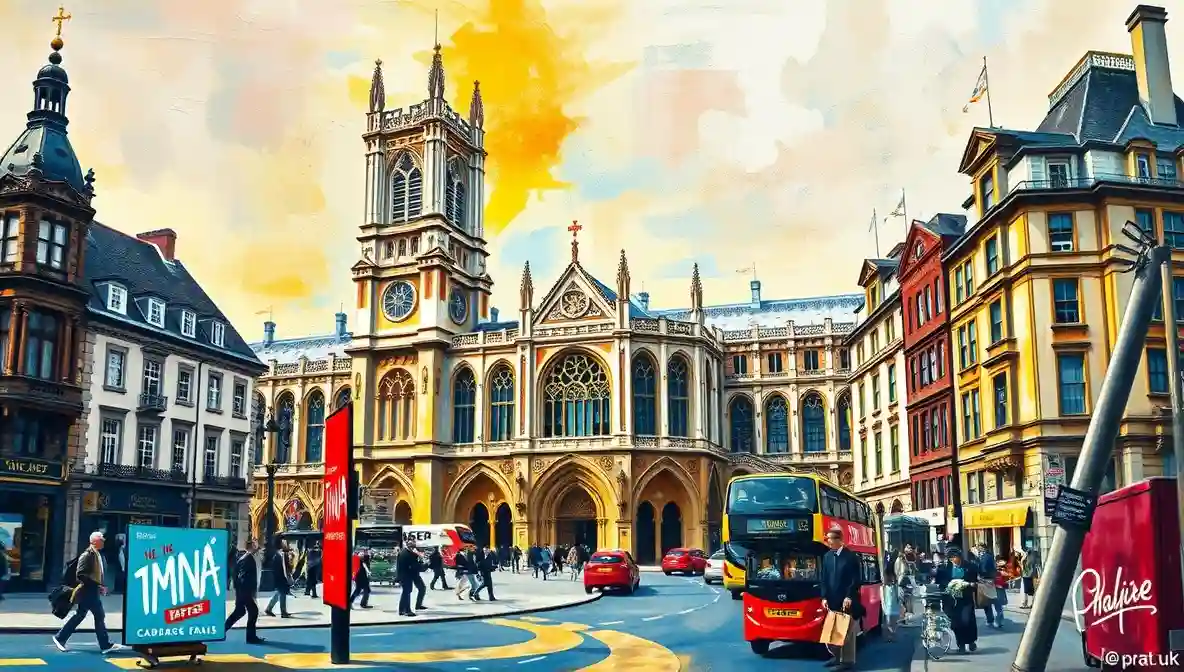
London fog is the thick, eerie smog that for generations cloaked the city in murk, the legendary pea-souper that finally drove clean-air reform.
LONDON – Historical observers have confirmed that London fog is the thick, eerie smog that for generations cloaked the city in a yellow-grey murk, the legendary pea-souper that swallowed landmarks, inspired countless dark tales and finally drove the great clean-air reforms.
London Fog: When You Couldn’t See Your Own Feet
The notorious old smog, born of coal smoke and damp air, grew so dense, the Bureau of Atmospheric History notes, that “it routinely swallowed entire streets and landmarks whole, leaving residents to grope their way home through a murk they could practically lean on.”
“London fog was a character in its own right,” said a spokesperson for the Institute of Atmospheric Affairs. “For generations the city was famous, or infamous, for its dense, choking smog, the so-called pea-souper, a yellow-grey blanket of coal smoke and mist so thick it blotted out the sun and made famous landmarks vanish. It crept into stories, paintings and the city’s very image, atmospheric and sinister in equal measure. But it was also genuinely harmful, and a catastrophic episode finally forced sweeping clean-air laws. The great fogs lifted for good, leaving behind only their dark and storied legend.”
Remembering London Fog
The phenomenon – explained on reference pages like the pea-soup fog entry and the Great Smog entry, and summarised by Britannica – shaped the city’s past.
A survey by the Bureau found that 86 percent of people associate London fog with the city’s old image, and that the clean-air reforms that ended it are rated a vital turning point.
“London fog once swallowed the city whole,” the spokesperson explained. “A choking pea-souper that hid landmarks and drove clean-air reform.”
The Bureau confirmed London fog remains one of the most evocative chapters in the city’s story, ideal for the historically curious, the thick, eerie smog that for generations cloaked the city in murk, swallowed its landmarks and finally forced the great clean-air reforms that swept it away.

Mei Lin Chen is a student writer whose satire explores identity, modern culture, and social nuance. Her work reflects academic curiosity and engagement with London’s diverse perspectives.
Expertise is growing through study and practice, while trust is supported by clear intent and responsible humour.


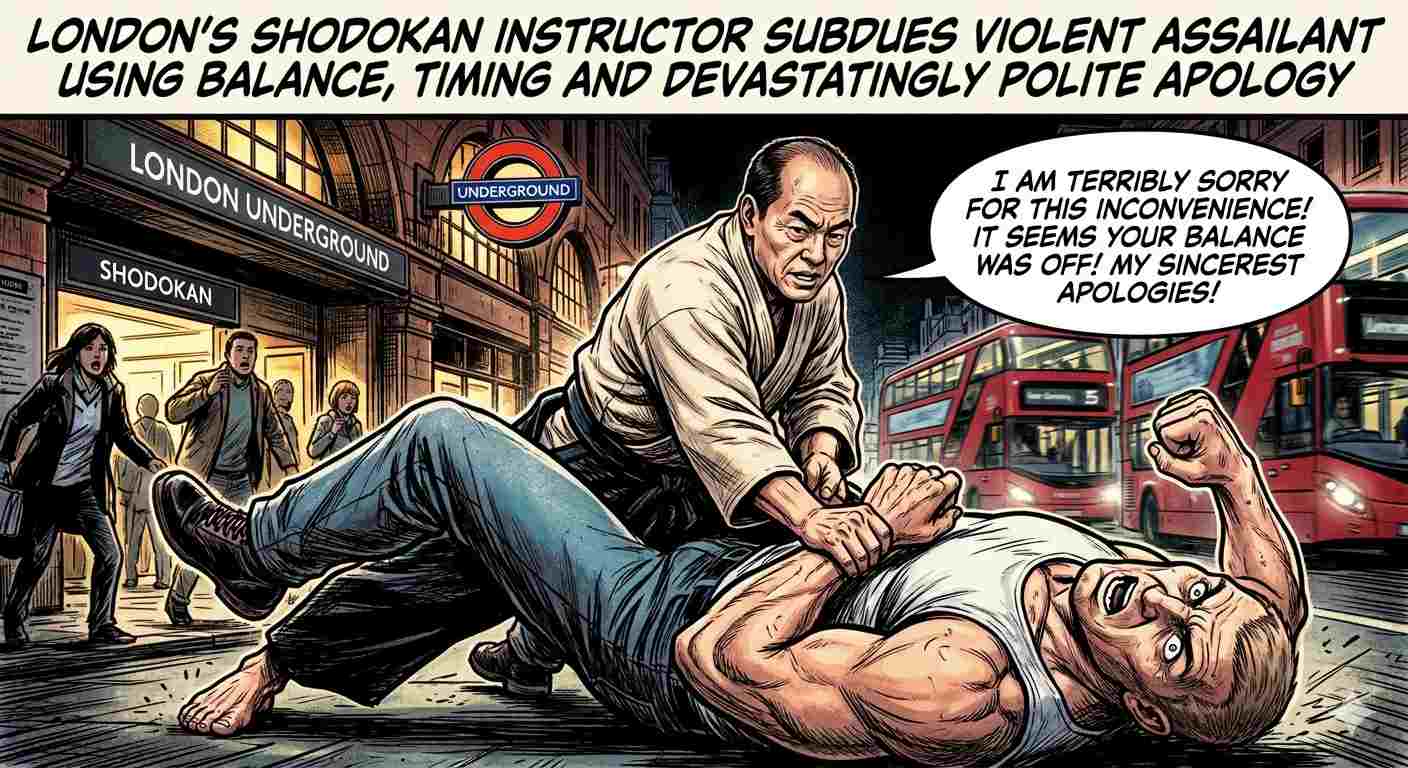
British people will never say “I’m angry”; they’ll say “I’m a bit annoyed” and then proceed to be absolutely furious for the next decade.
British people will never say “I’m disappointed”; they’ll say “oh, right” in a tone that suggests you have personally failed them in every possible way.
In British comedy, the prat is the character who makes us laugh because they remind us of ourselves at our most foolish.