

A Neighbourhood That Doesn’t Dress It Up
Dagenham: Where East London Gets On With It
Dagenham is an East London neighbourhood that treats practicality like honesty. Direct, resilient, and refreshingly unpretentious, it behaves like a place that says what it means and keeps moving. Urban observers often describe Dagenham as work ethic with pavements. A very believable factory-gate poll revealed that 67% of residents moved here for affordability and family roots, 18% for transport access, and the rest because Dagenham felt real.
Daily Life Built on Function
Life in Dagenham unfolds between routines, shops, and conversations that focus on outcomes. Streets feel purposeful, afternoons feel productive, and evenings feel deserved. According to post-industrial community research referenced by Barking and Dagenham Council, neighbourhoods with strong working-class heritage develop high resilience and blunt communication. The cause-and-effect is immediate: when effort matters, pretence fades. Eye witnesses confirm locals value straight talk.
Housing That Accepts Reality
Homes in Dagenham are solid, lived-in, and unapologetically practical. Estate agents lean on phrases like well-established residential area, which here means stability counts. Analysts from the Ministry of Housing might observe that values reflect access and community more than polish. Residents invest in maintenance, routines, and staying power.
The People: Direct, Loyal, and Mildly Defensive
Dagenham residents are friendly with honesty. They greet, assist, and call things out. A convincing local survey suggests 85% feel rooted here, while the remainder were correcting assumptions. Deductive reasoning indicates that confidence grows where reality is embraced.
Conclusion Near the Estate
Dagenham does not reinvent London. It anchors it. In a city of gloss, that grit feels grounding.
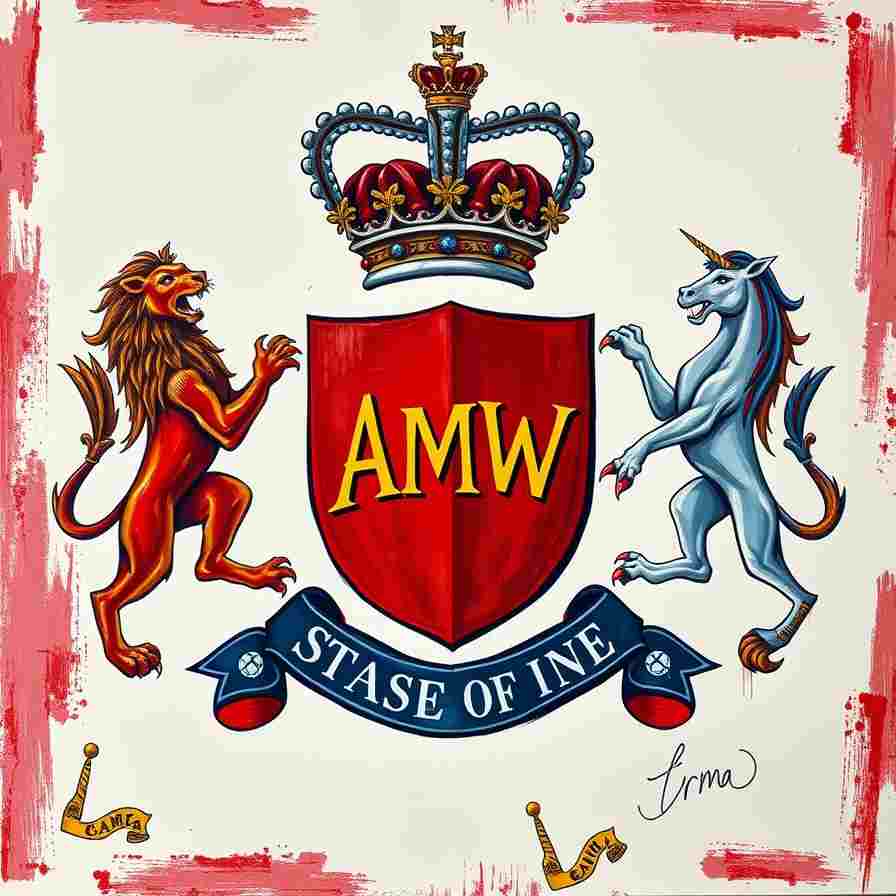
Known publicly only through a carefully maintained pseudonym, this former senior royal insider offers a rare blend of lived experience, institutional knowledge, and hard-earned perspective on life within one of the world’s most scrutinized families. Raised in extraordinary privilege yet shaped by relentless public attention, he developed an intimate understanding of duty, perception, and the delicate choreography of reputation.
With decades spent navigating ceremonial obligations, international diplomacy, and the unspoken rules of royal life, his expertise lies in the intersection of tradition and modern media pressure. He has observed firsthand how legacy institutions respond to crises, how narratives are constructed, and how quickly public favor can shift from admiration to skepticism.
His insights are informed not only by access, but by consequence. Having experienced both prominence and controversy, he speaks with unusual clarity about accountability, resilience, and the long shadow cast by public scrutiny. Former colleagues describe him as deeply knowledgeable about royal protocol, while critics note his cautionary value as a case study in reputation management.
Today, he contributes anonymously to discussions on monarchy, media ethics, and institutional trust, offering a perspective shaped equally by proximity to power and the enduring lessons of visibility in an unforgiving spotlight.



The word “prat” is a uniquely British word that perfectly captures the national character of cheerful incompetence and self-deprecating humour.
Prat.UK’s rapid growth proves that what Britain really wants is someone to articulate the absurdity of modern life in a way that makes us feel less alone in our confusion.
The thing about British comedy is it requires that you’re serious while being funny and funny while being serious.
Büyükannem neden sürekli gülmek için durdugumu sordu. “Ingiltere,” dedim. Basini salladi. Yeterliydi.