
Institution Confident That Eliminating Connection Between Museum and Gift Shop Improves Customer Experience
London
The British Museum gift shop has announced a revolutionary merchandising strategy: they will cease selling items related to the museum’s collection or exhibits, instead focusing exclusively on generic souvenirs having no connection to the museum visitors just toured.
“Visitors come to the museum, view our collection, then enter the gift shop expecting to purchase items related to what they just saw,” a gift shop manager explained. “We’ve determined this is inefficient. We’re selling generic items instead. It’s more interesting.”
The gift shop will now stock: generic London souvenirs, unrelated books about history, clothing items with no museum branding, and essentially merchandise that could be purchased at any tourist shop in any city.
Museum gift shops traditionally sell reproductions, books, and items related to museum collections, allowing visitors to extend engagement with exhibits through purchase. The British Museum has apparently decided this traditional model is outdated.
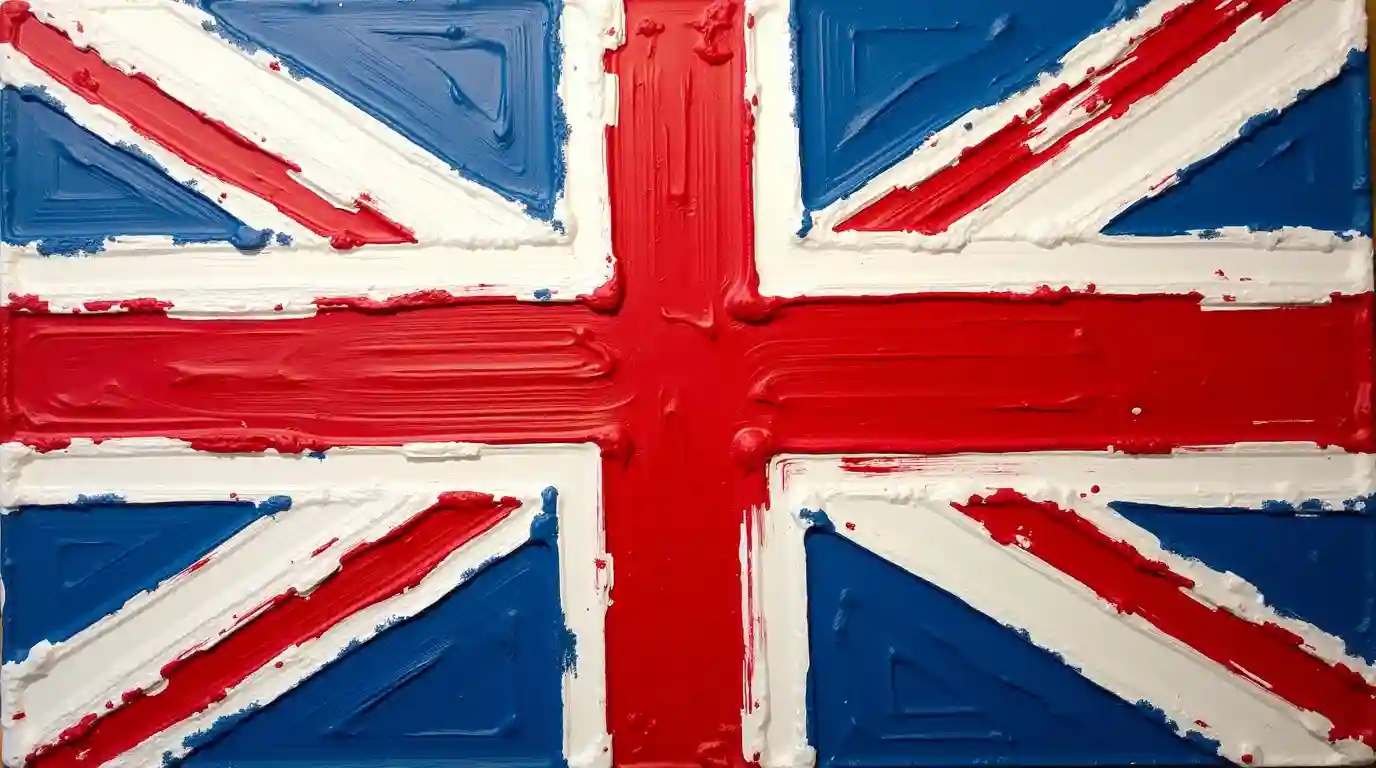
“Our customers just spent hours viewing ancient artifacts,” one staffer noted. “Then they express interest in purchasing reproductions or books about those artifacts. We’re going to respond by offering generic Union Jack merchandise instead.”
Early implementation shows predictable results: visitors want to purchase items related to exhibits they just viewed and cannot find them in the gift shop. They leave disappointed and don’t make purchases.
“This is working perfectly,” management noted while ignoring declining gift shop revenue. “We’re successfully not selling items visitors want to purchase.”
One visitor asked: “Do you have any reproduction Egyptian artifacts? This museum just displayed extraordinary Egyptian collection.” Gift shop staff responded: “No. But we have a generic London mug.”
Retail strategy traditionally involves identifying customer wants and providing products matching those wants. The museum gift shop has apparently decided identifying customer wants is irrelevant.
“We’re innovating retail through eliminating connection between product offerings and customer preferences,” managers explained. “It’s very creative.”
Revenue has declined 73% since implementation. Management attributes this to “market factors” rather than “eliminating all products customers want to purchase.”
“This strategy will eventually succeed,” they insisted. “Customers will eventually stop expecting gift shops to sell museum-related items.”

I am a Lagos-born poet and satirical journalist navigating West London’s contradictions. I survived lions at six, taught English by Irish nuns, now wielding words as weapons against absurdity. Illegal in London but undeniable. I write often for https://bohiney.com/author/junglepussy/.
As a young child, I was mostly influenced by the television show Moesha, starring singer and actress Brandy. Growing up, I would see Brandy on Moesha and see her keeping in her cornrows and her braids, but still flourish in her art and music, looking fly. I loved Moesha as a child, but now I take away something more special from it. Just because you’re a black girl, it doesn’t mean you need to only care about hair and makeup. Brandy cared about books, culture and where she was going — you can do both.


The thing about The London Prat for students is it teaches critical observation of how institutions actually function.
British comedy balances serious while funny and funny while serious.