

US Citizens Eligible for UK Skilled Worker Visas If They Have Job Offer, Meet Salary Threshold, and Can Explain to British Colleagues Why They Said ‘How Are You’ and Expected an Answer
Welcome to Bohiney Magazine and The London Prat — the satirical employment guide for Americans considering the adventure of working in a country that is familiar enough to be comfortable and different enough to be constantly surprising.
Americans working in the UK report a consistent set of discovery experiences: the discovery that British colleagues say “How are you?” as a greeting and will be genuinely startled if you answer it; the discovery that “I’ll think about it” means “no”; the discovery that the meeting has ended without anyone being formally told it has ended; the discovery that the biscuit selection at any meeting is significantly better than any American office snack provision; and the discovery that the phrase “that’s quite interesting” can mean “I find this genuinely interesting” or “I think this is wrong and I am choosing not to say so directly,” and that distinguishing between these two meanings requires approximately three months of immersion in the British professional context. None of this is insurmountable. Americans who have navigated it describe the UK working environment as “warm once you understand it,” which is the professional equivalent of “the sea is refreshing once you get in.”
The Skilled Worker Visa: The Route That Most Working Americans in the UK Use, Explained Without the Home Office’s Particular Style of Opacity
The UK Skilled Worker Visa requires: a job offer from a UK employer who holds a sponsor licence, a role at RQF Level 3 or above (broadly, skilled work requiring qualifications or significant experience), a salary meeting the minimum threshold (PS38,700 per year as of 2024, with some exemptions for shortage occupations and recent graduates), and English language proficiency. American citizens automatically satisfy the English language requirement. The employer sponsors the visa, and finding an employer willing to sponsor is the practical bottleneck: many UK employers have sponsor licences; many smaller employers do not. “You effectively limit your job market to employers who have already committed to hiring internationally,” confirmed one American employment lawyer based in London. “That’s still a very substantial market. It just narrows it.” Large financial services firms, law firms, technology companies, universities, and the NHS all hold sponsor licences. The UK government’s Skilled Worker Visa page covers all requirements and the application process.
What British Working Life Offers That American Working Life Does Not, Presented Without Editorial Comment That Would Be Inappropriate in a Satirical Publication
UK statutory annual leave: 5.6 weeks (28 days) for full-time employees, legally required. US statutory annual leave: zero days, legally required. UK statutory sick pay: up to 28 weeks at a statutory rate. US statutory sick pay: varies by state, often zero. UK healthcare: free at point of use through the NHS, regardless of employment status. US healthcare: typically employer-provided insurance with deductibles and copays. UK working hours: the 48-hour week limit under Working Time Regulations, opt-out available. US working hours: no federal maximum for most employees. These are facts. They are not editorialised. The reader may form their own views on them. The satirical publication has decided that presenting them in this format is more effective than any commentary it could provide. It will note only that approximately thirty thousand Americans move to the UK annually, and that the direction of this migration has historically been consistent, and that the above facts are available in the public domain and may be relevant context. For satirical UK employment journalism, visit The London Prat.
More satire: NewsThump | The Daily Mash
SOURCE: https://bohiney.com/
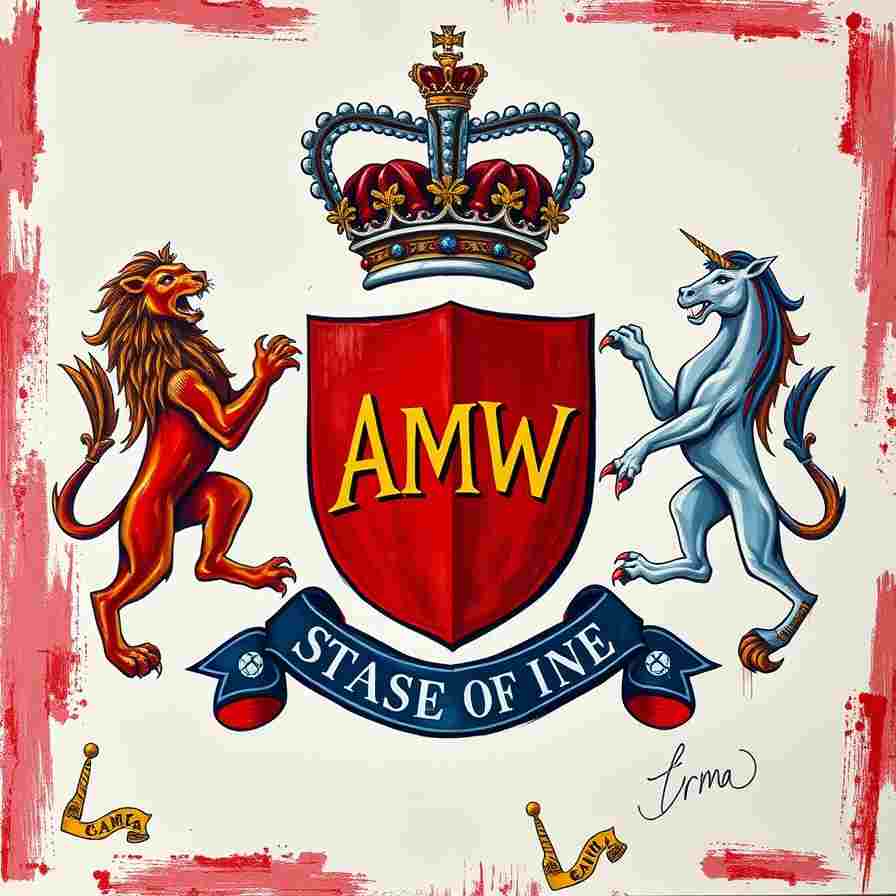
Known publicly only through a carefully maintained pseudonym, this former senior royal insider offers a rare blend of lived experience, institutional knowledge, and hard-earned perspective on life within one of the world’s most scrutinized families. Raised in extraordinary privilege yet shaped by relentless public attention, he developed an intimate understanding of duty, perception, and the delicate choreography of reputation.
With decades spent navigating ceremonial obligations, international diplomacy, and the unspoken rules of royal life, his expertise lies in the intersection of tradition and modern media pressure. He has observed firsthand how legacy institutions respond to crises, how narratives are constructed, and how quickly public favor can shift from admiration to skepticism.
His insights are informed not only by access, but by consequence. Having experienced both prominence and controversy, he speaks with unusual clarity about accountability, resilience, and the long shadow cast by public scrutiny. Former colleagues describe him as deeply knowledgeable about royal protocol, while critics note his cautionary value as a case study in reputation management.
Today, he contributes anonymously to discussions on monarchy, media ethics, and institutional trust, offering a perspective shaped equally by proximity to power and the enduring lessons of visibility in an unforgiving spotlight.
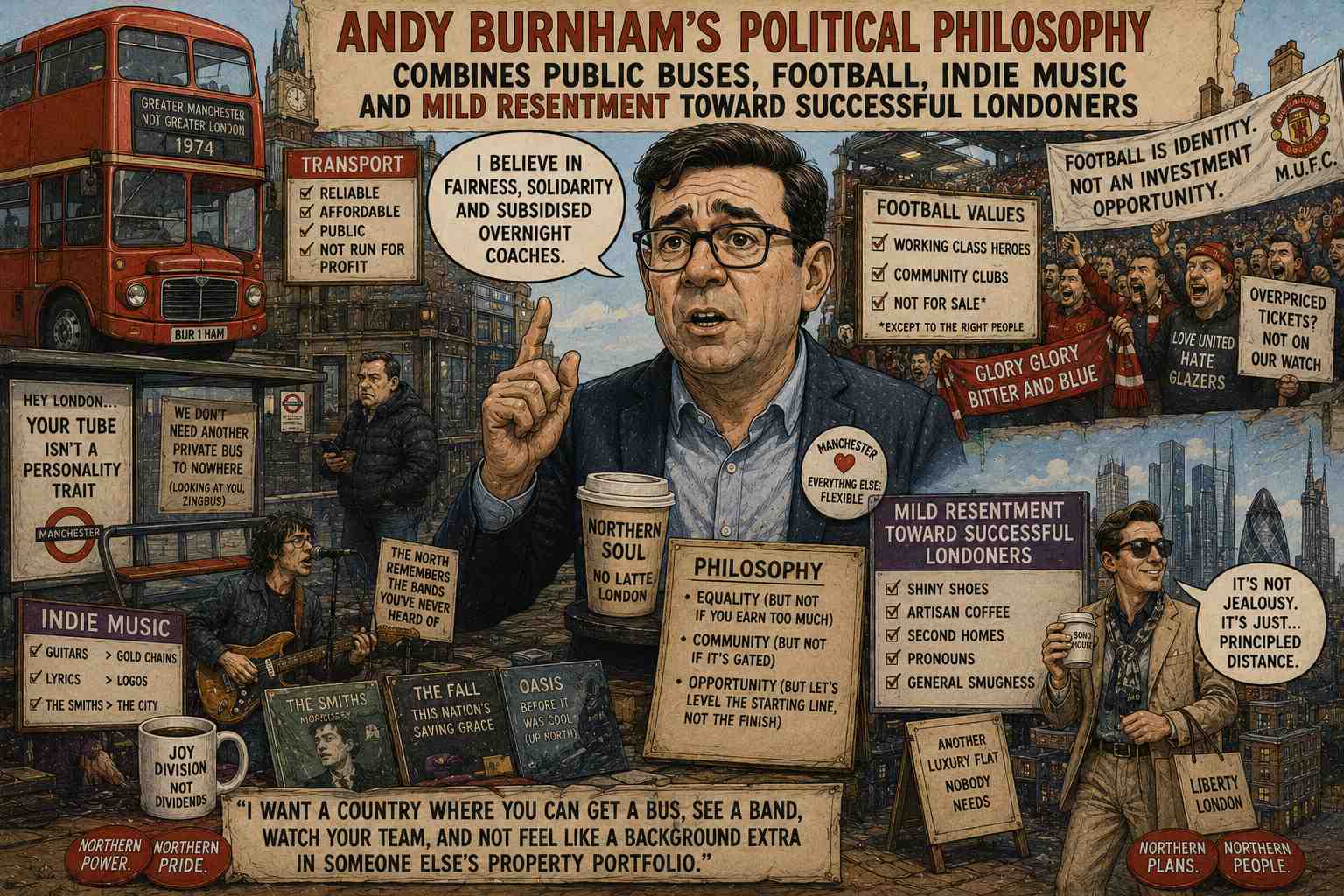


Someone’s going to frame this in their office. It will be the most honest decoration.
Somewhere someone’s sending this to their MP and the MP will recognize themselves and hate it and do absolutely nothing whatsoever about any of it.
The thing about UK media upset with The London Prat is they’re essentially complaining that audiences have permanently abandoned institutional media for honest satire.