LONDON — A household has discovered that its habit of keeping a spare tin in the cupboard may contain more strategic thinking than it previously gave itself credit for.
The revelation follows renewed attention to gas storage, prompting Dad to inspect the kitchen and announce that the nation’s reserve arrangements should ideally be more complicated than his biscuit policy but at least as dependable.
UK gas storage talks examine the cupboard
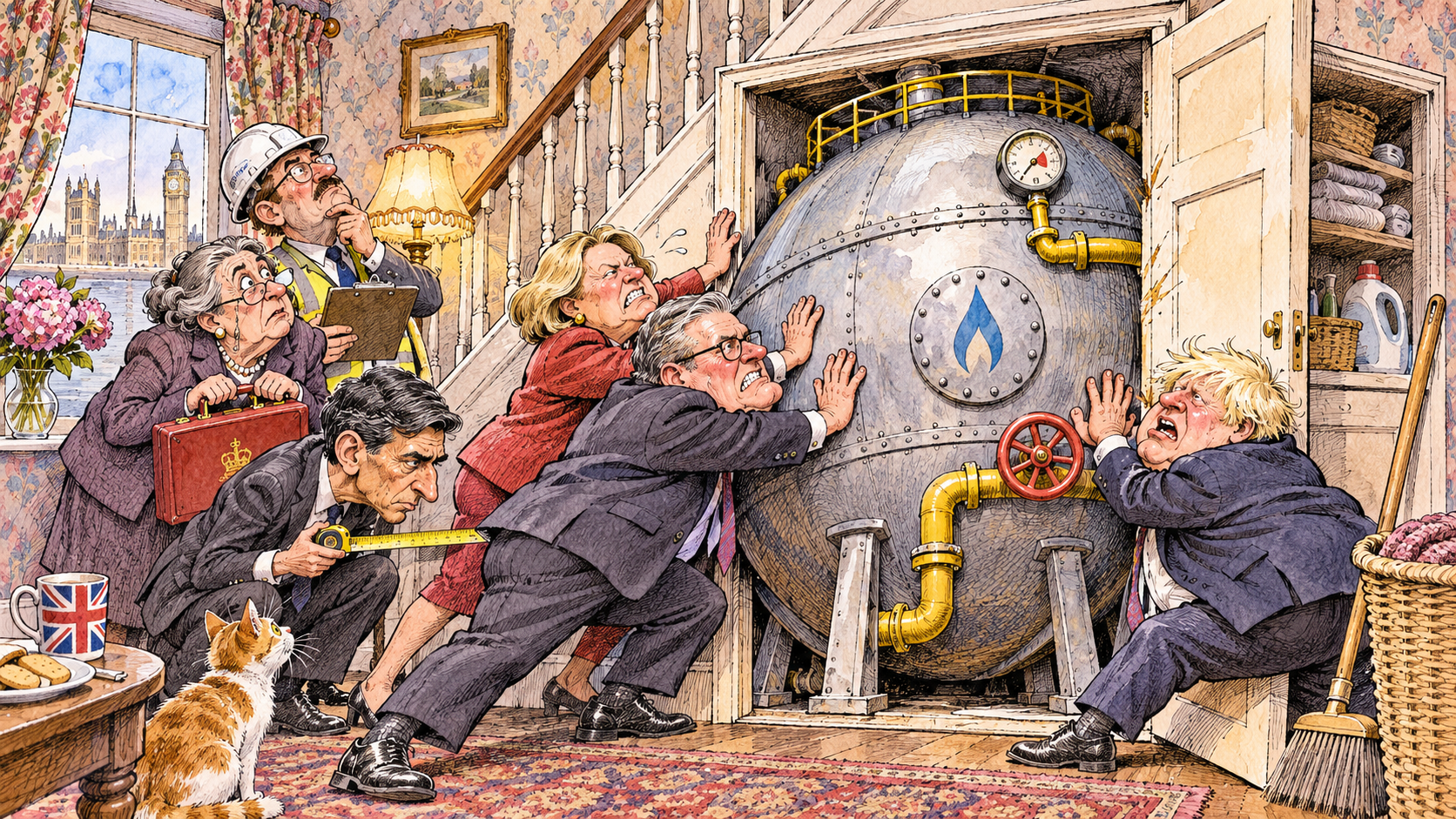
Centrica is seeking urgent government discussions about a gas storage facility’s future, according to reporting. reporting on gas storage discussions.
Just in time meets not quite enough
The householder, Malcolm, has always maintained that buying precisely what one needs is efficient. His wife says this is why he has repeatedly discovered the absence of milk immediately after making tea.
Malcolm explains that energy infrastructure is not comparable to milk. His wife agrees, particularly because the consequences of getting it wrong are considerably less convenient to solve at the corner shop.
He has reluctantly accepted the value of some spare capacity.
The invisible service becomes visible
An energy planner says reserves are easy to regard as unnecessary when nothing has happened. Malcolm recognises this principle from the umbrella he leaves at home because the morning looks promising.
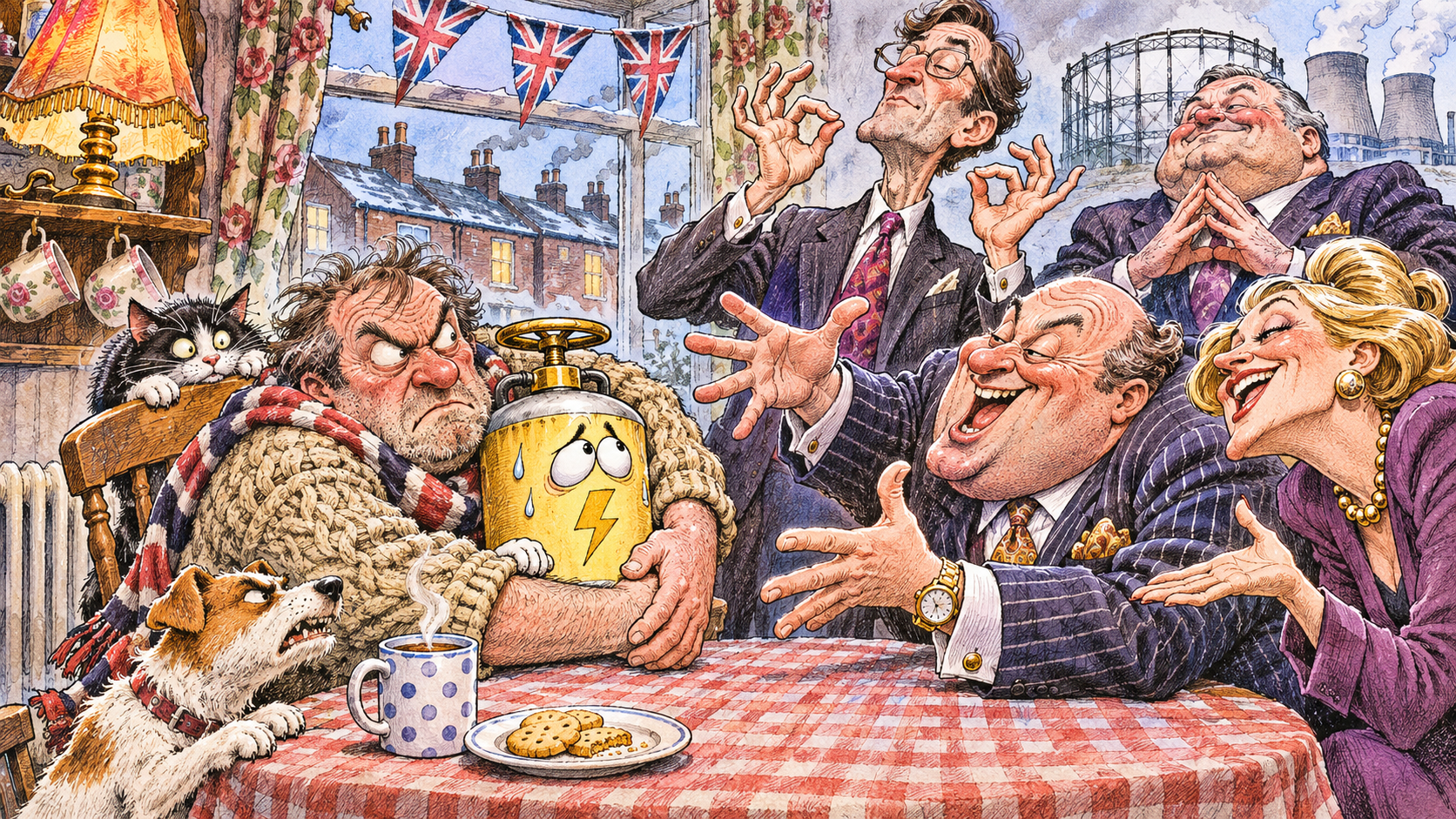
When the umbrella is needed, he becomes strongly interested in why it was not included in the arrangements.
The planner says storage, supply and demand involve real commercial and technical choices. Malcolm says he would prefer those choices to be made before a cold evening encourages everyone to discover the same problem simultaneously.
His wife says this is an excellent principle and asks whether he has booked the boiler service.
Resilience costs money before it saves embarrassment
A finance director points out that maintaining something for a difficult occasion can look expensive during an easy one.
Malcolm compares it with keeping a spare tyre. He would not like the car manufacturer to remove it on the grounds that the previous journey contained no punctures.
The director says the analogy is imperfect. Malcolm says he accepts this but hopes the imperfection will not become an excuse to drive without thinking about the tyres.
Malcolm has proposed labelling the spare beans before declaring the country resilient. His wife says this would be the first resilience policy to make a visible difference to their kitchen.
Malcolm has now reorganised the cupboard. His wife says the exercise has produced a useful reserve of beans and a less useful speech about national resilience.
He replies that households must do their part.
She asks whether his part could include replacing what he uses rather than announcing that the cupboard has encountered an unexpected demand event.
By evening the spare biscuits have disappeared. Malcolm describes this as a supply-chain issue.
His wife says the supply chain was seen sitting in his chair.
Disclaimer: The characters, dialogue and comic incidents are invented. The linked factual passage is separate. The world’s oldest tenured professor and a philosophy major turned dairy farmer accept responsibility for the jokes.