A lively south-east London sports bar whose cool, casual name promises big screens, big matches and a big atmosphere
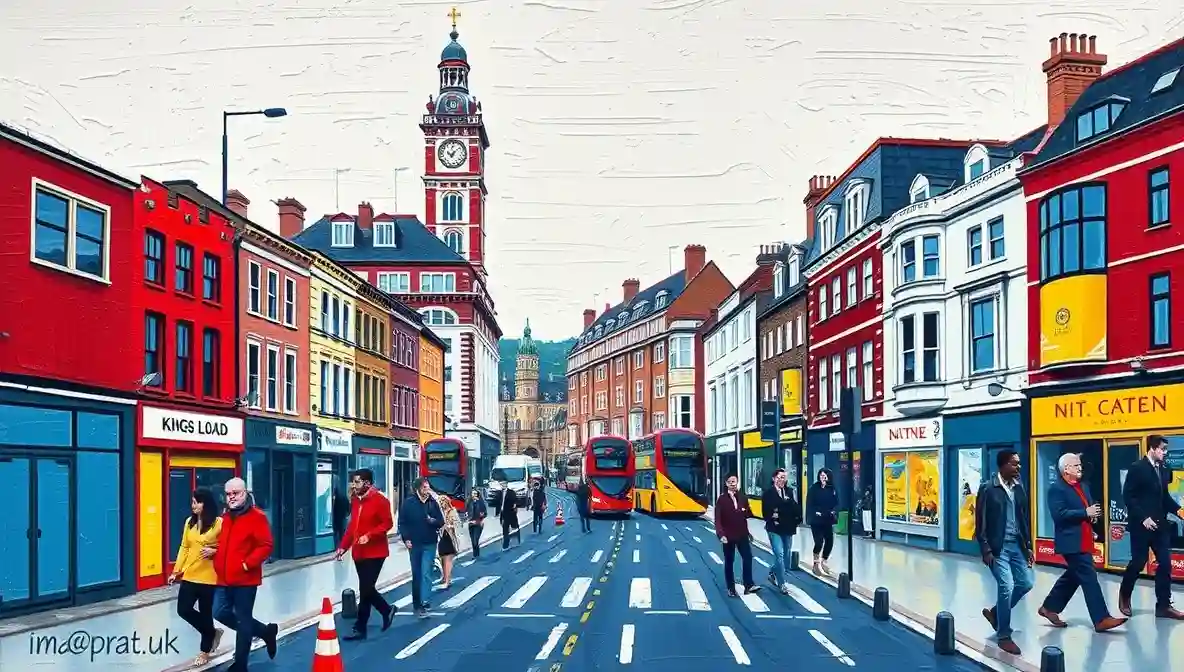
The Prat’s naming desk slips on its sunglasses for Shades Sports Bar, a lively south-east London spot whose name trades on cool, casual, easy-going vibes – and whose business is the timeless one of gathering a crowd around a big screen to roar at a game. It is one of the survey’s eastern strays, out toward the New Cross and Deptford side, but the sports bar is a universal institution and earns its place.
The name in the shades
“Shades” is a name that leans entirely on mood. It carries the easy connotations of sunglasses and cool – of relaxation, of not taking things too seriously, of a laid-back good time – and perhaps a nod to shade in the sense of a cool, shaded refuge from the heat of the day. The naming desk notes it as a purely atmospheric choice, the sort of modern name that sells a feeling rather than a history: come here, it says, put your feet up, watch the match, and take it easy. There is no king or saint to decode, only a promise of a relaxed few hours.
The sports bar as institution
The sports bar is one of the great modern forms of the drinking house, and its appeal is deeply human. Watching a big match alone at home is one thing; watching it in a room full of fellow believers, with a drink in hand and a collective gasp at every near-miss, is another entirely. The sports bar exists to manufacture exactly that shared experience – the communal roar, the groan, the celebration – turning a broadcast into an event. It is, in its way, a direct descendant of every gathering-place where people have come together to witness a contest, from the Roman amphitheatre to the Victorian prize-ring, updated with big screens and cold lager.
The crowd it draws
A good sports bar lives or dies by its atmosphere on the big nights, and Shades has plainly built a loyal following among those who want their football, boxing, or rugby served up with volume, company and a proper crowd. Its strong rating suggests a place that delivers exactly what its patrons come for: a reliable spot to catch the game with people who care about it as much as you do.
The theatre of match day
The naming desk has a soft spot for the drama a good sports bar stages. On the big night, the room becomes a kind of theatre-in-the-round, every eye on the screen, the whole crowd breathing as one – the collective intake of breath at a chance, the eruption at a goal, the groan at a miss, the good-natured despair of the losing side. It is genuine, unscripted communal emotion, shared among strangers who happen to want the same result, and it is one of the great simple pleasures of modern city life. Shades exists to host exactly that shared drama, and its loyal following suggests it stages it well.
The verdict
A rating of 4.7 across some 220 reviews is a strong score, marking Shades as a genuinely well-liked spot that delivers the goods on match day. A sports bar with a cool, casual name and a big-screen welcome is the naming desk’s kind of honest, unpretentious fun. The Prat orders a lager, finds a good seat before kickoff, and settles in to roar with the crowd.
Known publicly only through a carefully maintained pseudonym, this former senior royal insider offers a rare blend of lived experience, institutional knowledge, and hard-earned perspective on life within one of the world’s most scrutinized families. Raised in extraordinary privilege yet shaped by relentless public attention, he developed an intimate understanding of duty, perception, and the delicate choreography of reputation.
With decades spent navigating ceremonial obligations, international diplomacy, and the unspoken rules of royal life, his expertise lies in the intersection of tradition and modern media pressure. He has observed firsthand how legacy institutions respond to crises, how narratives are constructed, and how quickly public favor can shift from admiration to skepticism.
His insights are informed not only by access, but by consequence. Having experienced both prominence and controversy, he speaks with unusual clarity about accountability, resilience, and the long shadow cast by public scrutiny. Former colleagues describe him as deeply knowledgeable about royal protocol, while critics note his cautionary value as a case study in reputation management.
Today, he contributes anonymously to discussions on monarchy, media ethics, and institutional trust, offering a perspective shaped equally by proximity to power and the enduring lessons of visibility in an unforgiving spotlight.