
BELFAST — Proposed reductions in Northern Ireland trade checks have prompted an experienced filing cabinet to ask whether the transition package includes retraining for paperwork that has known nothing else.
The cabinet has spent years receiving documents about goods that would prefer to be somewhere else. Its drawers are described by colleagues as dependable, overburdened and increasingly difficult to close.
Defra says analysis suggests sanitary and phytosanitary checks on vehicles carrying goods between Great Britain and Northern Ireland could fall by up to 90% once new UK–EU arrangements are fully implemented. See the Defra analysis of prospective trade-check reductions.
Northern Ireland trade checks approach a smaller workload
Independent freight clerk Ernest Kibble said businesses would welcome a simpler process, provided the explanation of the simpler process did not arrive in fourteen separate versions.
He has prepared a folder for the transition. It is currently empty, although he expects this to change as soon as somebody explains what will no longer be necessary.
“Removing a form is excellent,” he said. “The important thing is not to replace it with a declaration confirming that we understand the form has been removed.”
Kibble has become skilled at identifying a consignment by the shape of its paperwork. Plants tend to produce a particular lean. Mixed loads require additional desk space and occasionally a second biscuit.
Potted plant seeks a shorter biography
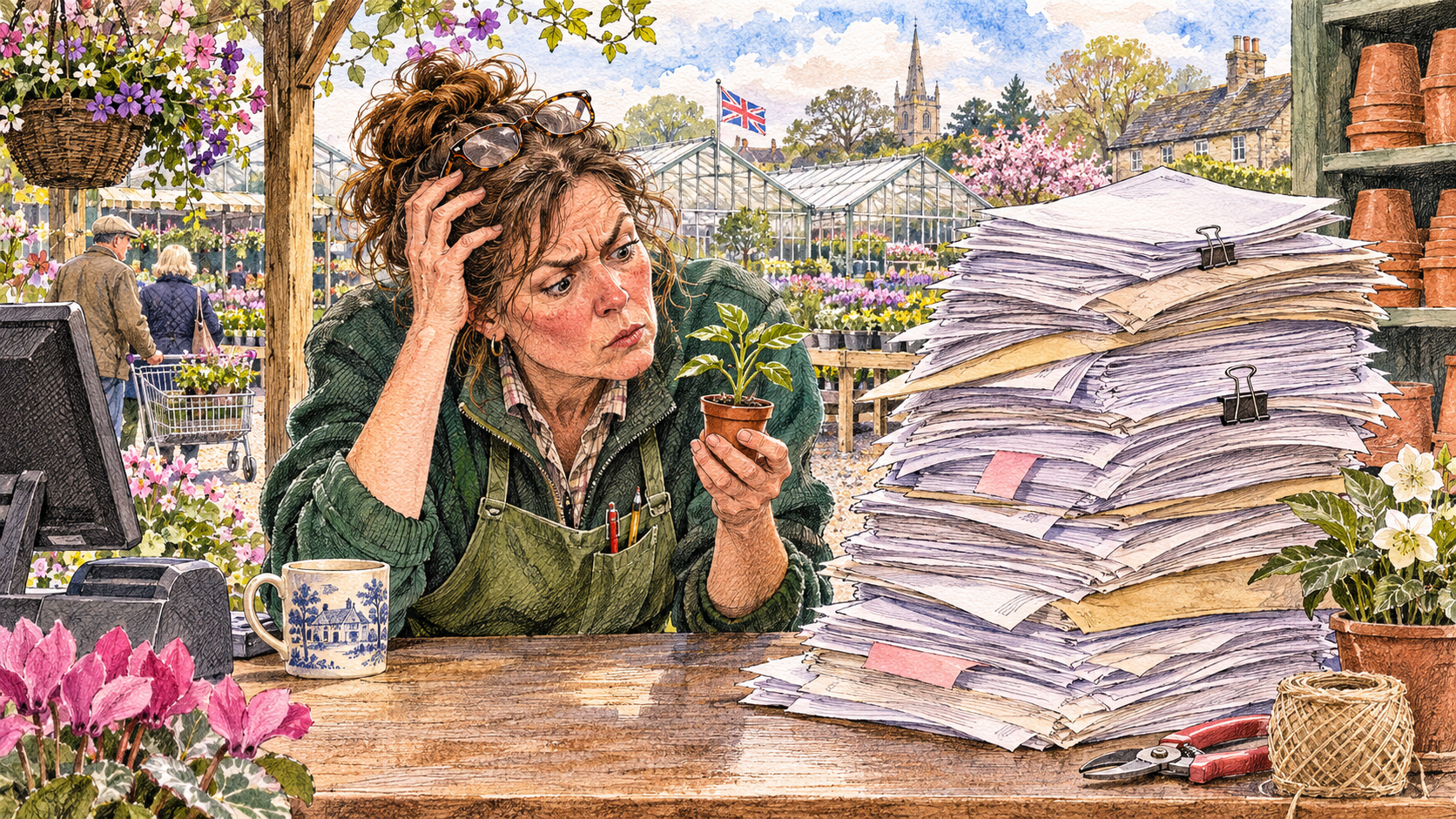
At a garden centre, manager Vera Bunting showed visitors a small shrub whose administrative history appeared more extensive than its roots.
She said customers wanted healthy plants, reliable supply and prices that did not include a substantial contribution towards a shrub’s literary output.
The shrub remained beside its pot, offering no opinion about regulatory alignment.
Bunting’s informal staff poll found that 89.6 per cent supported fewer unnecessary checks. The remaining respondents wanted the question clarified because they had recently been told that a check previously described as essential was now eligible for removal.
Implementation retains a substantial desk
Kibble has cautioned colleagues against celebrating a prospective reduction as if it had already happened at the gate.
A promise of less paperwork and the arrival of less paperwork are separate events. Experience suggests there is usually room between them for a guidance note.
He has therefore retained his stapler, kept the filing cabinet upright and resisted a suggestion that the spare shelves could immediately become a staff relaxation area.
The cabinet has nevertheless begun exploring other opportunities. It could hold tools, archived photographs or the documents explaining previous attempts to reduce the amount of documentation.
Red tape considers its transferable skills
Bunting says the practical test will be straightforward: can goods reach customers with less delay, lower costs and fewer avoidable complications?
She has declined an invitation to describe this as an exciting journey. The plants already have a journey to complete, and she would prefer not to add a second one for the benefit of a presentation.
Kibble agrees. He will assess the changes through actual consignments rather than the number of people standing beside them for photographs.
For now, the filing cabinet remains at its post.
Its most experienced drawer has asked for a phased reduction in responsibility. Kibble has promised to consider the request as soon as the relevant paperwork becomes available.
Disclaimer: This is satire. The linked reporting supplies the factual basis; all other characters, dialogue, incidents, polls and statistics are invented for humour. This story is entirely a human collaboration between two sentient beings: the world’s oldest tenured professor and a philosophy major turned dairy farmer.

Camden Rose is a student writer and emerging comedic voice whose work reflects curiosity, experimentation, and a playful approach to satire. Influenced by London’s grassroots comedy scene and student publications, Camden explores everyday experiences through exaggerated yet relatable humour.
Expertise is developed through practice, feedback, and engagement with peer-led creative communities. Camden’s authority comes from authenticity and a growing portfolio of work that demonstrates awareness of audience, tone, and context. Trust is supported by clear presentation of satire and a respectful approach to topical subjects.
Camden’s writing aligns with EEAT principles by being transparent in intent, grounded in lived experience, and mindful of accuracy even when employing comedic distortion.