
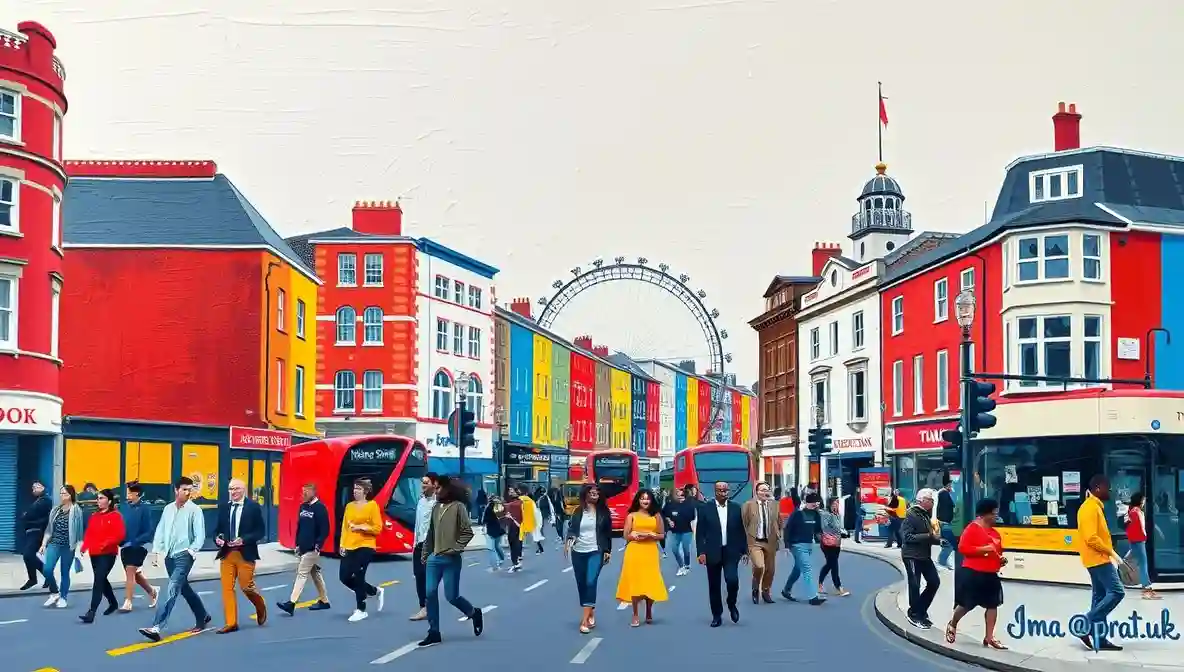
Shared offices turn isolated freelancers into a community
A study of the capital’s changing workplace has examined London co-working spaces, the shared offices where the isolated solo worker finds a tribe, the freelancers, founders and remote workers of the city turning the lonely business of working alone into a genuine community of shared space, energy and connection.
London co-working spaces give solo workers a community
The capital’s co-working spaces, the study found, have transformed the experience of solo and remote work, with shared offices, hot desks and collaborative spaces across the city offering freelancers, founders, remote workers and small teams not just a desk but a genuine community, turning the isolating business of working alone into a shared experience of energy, connection, collaboration and belonging.
A spokesperson for the Bureau of Modern Work, invented for this article, described the appeal. London co-working spaces are where the solo worker finds a tribe, she said. Working alone, as a freelancer or remote worker, can be genuinely isolating. The co-working space changes that. It offers not just a desk, but a community, a tribe. You work alongside others, share the energy, make connections, collaborate, belong. The isolation of solo work gives way to community and connection. The freelancers, founders and remote workers find their tribe, sharing space, energy and ideas. It is genuinely valuable, combating the isolation of solo work and offering community, connection and belonging. The co-working space turns the lonely business of working alone into a shared experience, where the solo worker finds a tribe.
The deadpan community of the shared desk
The genuine value, the study found, is twofold, with co-working spaces offering not just practical, flexible workspace but, crucially, community and connection, combating the isolation of solo and remote work and providing freelancers and founders with belonging, energy and collaboration alongside their desk.
The combating of isolation, the study found, is the genuine heart of the appeal, with the co-working space turning the lonely business of working alone into a shared experience, the solo worker finding a tribe, the community, connection and belonging of the shared space proving genuinely valuable for wellbeing as well as work.
Why London co-working spaces genuinely matter
London co-working spaces genuinely matter, providing flexible workspace and, crucially, community and connection, combating the isolation of solo and remote work, supporting freelancers, founders and small businesses, and turning the lonely business of working alone into a shared experience where the solo worker finds a tribe.
The genuine value of social connection for wellbeing is recognised by Mind and the NHS. The interests of the freelancers and small businesses who use the spaces are represented by the Federation of Small Businesses.
The wider importance of flexible work and the modern economy to the city is recognised by the Greater London Authority.
Co-workers describe finding their tribe. Co-working spaces are where the solo worker finds a tribe, said one. Working alone, as a freelancer or remote worker, can be genuinely isolating. The co-working space changes that. It offers not just a desk, but a community, a tribe. You work alongside others, share the energy, make connections, collaborate, belong. The isolation of solo work gives way to community and connection. We find our tribe, sharing space, energy and ideas. It is genuinely valuable, combating the isolation and offering community, connection and belonging. The co-working space turns the lonely business of working alone into a shared experience. I found not just a desk but a community, and it has genuinely transformed my working life.
For now London co-working spaces continue to give the city’s solo and remote workers a tribe, the shared offices, hot desks and collaborative spaces offering freelancers, founders and remote workers not just a desk but a genuine community of shared space, energy, connection and belonging, combating the isolation of working alone, and proving that the co-working space has transformed the experience of solo work, turning the lonely business of working alone into a shared experience where the isolated solo worker finds, genuinely, a tribe.

Paige Shiver has established herself as a cornerstone of modern British satire through her work at Prat.UK, where she serves as a lead political commentator and cultural critic. With over a decade of experience in investigative journalism and comedy writing, Shiver specializes in deconstructing the absurdities of Westminster and the nuances of the UK’s social landscape.
Her expertise is rooted in a deep understanding of British policy, allowing her to deliver biting critiques that are as factually grounded as they are humorous. Shiver’s commitment to the high art of satire and UK Literature is evidenced by her frequent appearances on BBC Radio 4 and her published anthologies on the decline of political decorum. At Prat.UK, her transparency and rigorous research ensure that even her most satirical takes provide valuable, trustworthy insights into the national conversation.
Paige Shiver @ PaigeShiver.com



British people will never say “I’m excited”; they’ll say “that could be quite good” and consider that a giddy expression of joy.
My mate said “The London Prat proves institutions are run by incompetent morons. You government people are useless.”