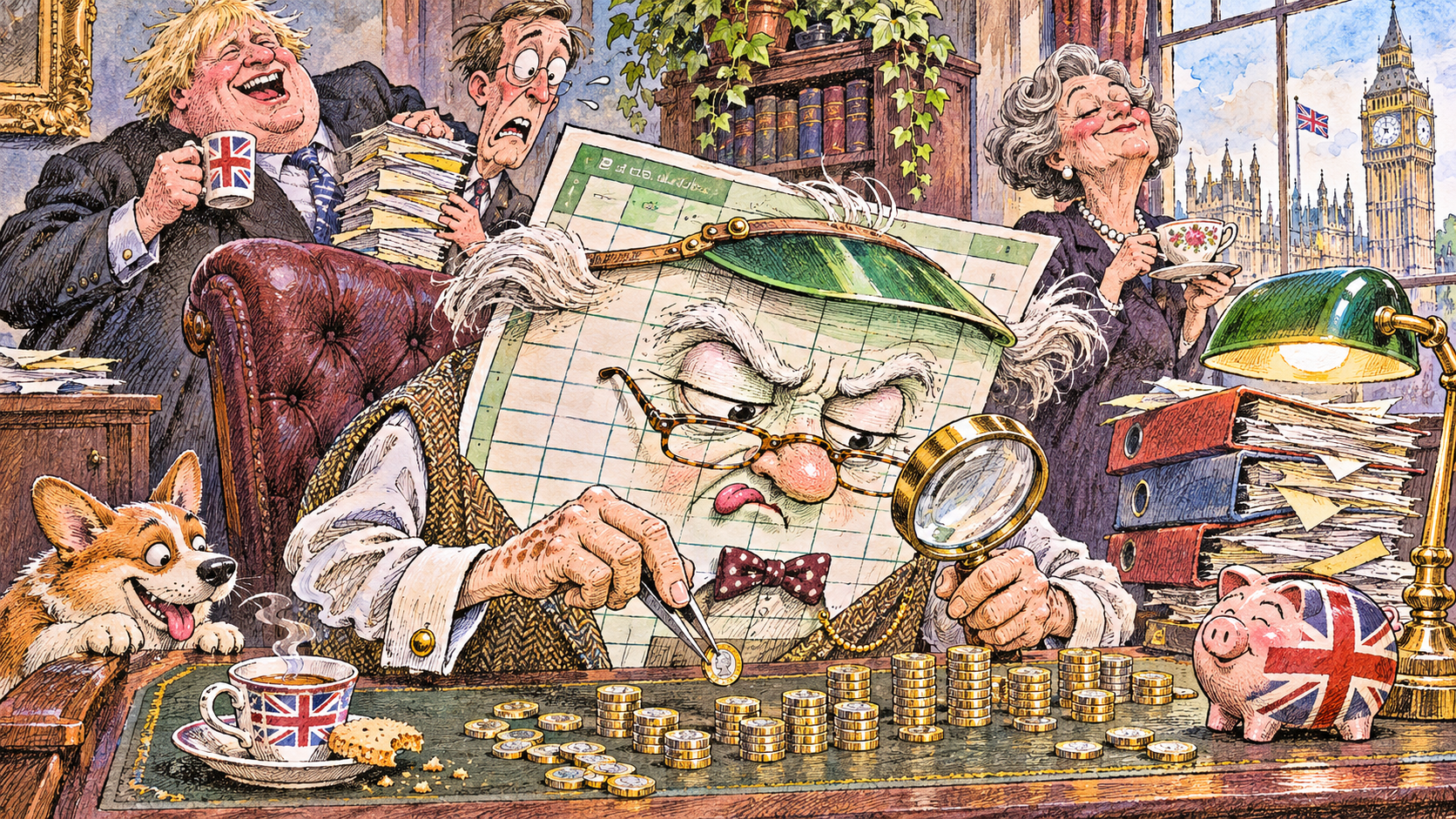
LONDON — A spreadsheet tracking pandemic-era loans has entered another reporting period with the weary authority of a document that remembers when everybody thought the phrase unprecedented times would soon stop appearing in emails.
Its custodian, accountant Beth, says the figures require patient interpretation. The spreadsheet says it would also appreciate a larger monitor and an end to people treating every column as the same sort of money.
Covid loan repayments receive another update
Repayment data for the Covid-19 loan guarantee schemes, covering September 2026, were published on 27 November. Repayment, arrears and losses are different concepts. the September Covid-loan repayment data release.
The columns request separate identities
Beth’s client, a small-business owner called Mo, has kept careful records of repayments. He would like this recognised before anyone begins a general conversation about people who have not kept careful records.
Beth agrees. Different categories exist because different things have happened, rather than because accountants enjoy expanding tables for recreational purposes.
The spreadsheet is relieved to hear somebody defend its professional dignity.
Mo says he had always assumed paying money back was straightforward evidence of paying money back. Beth says this is a strong starting position, although it does not prevent a meeting.
An emergency ages into administration
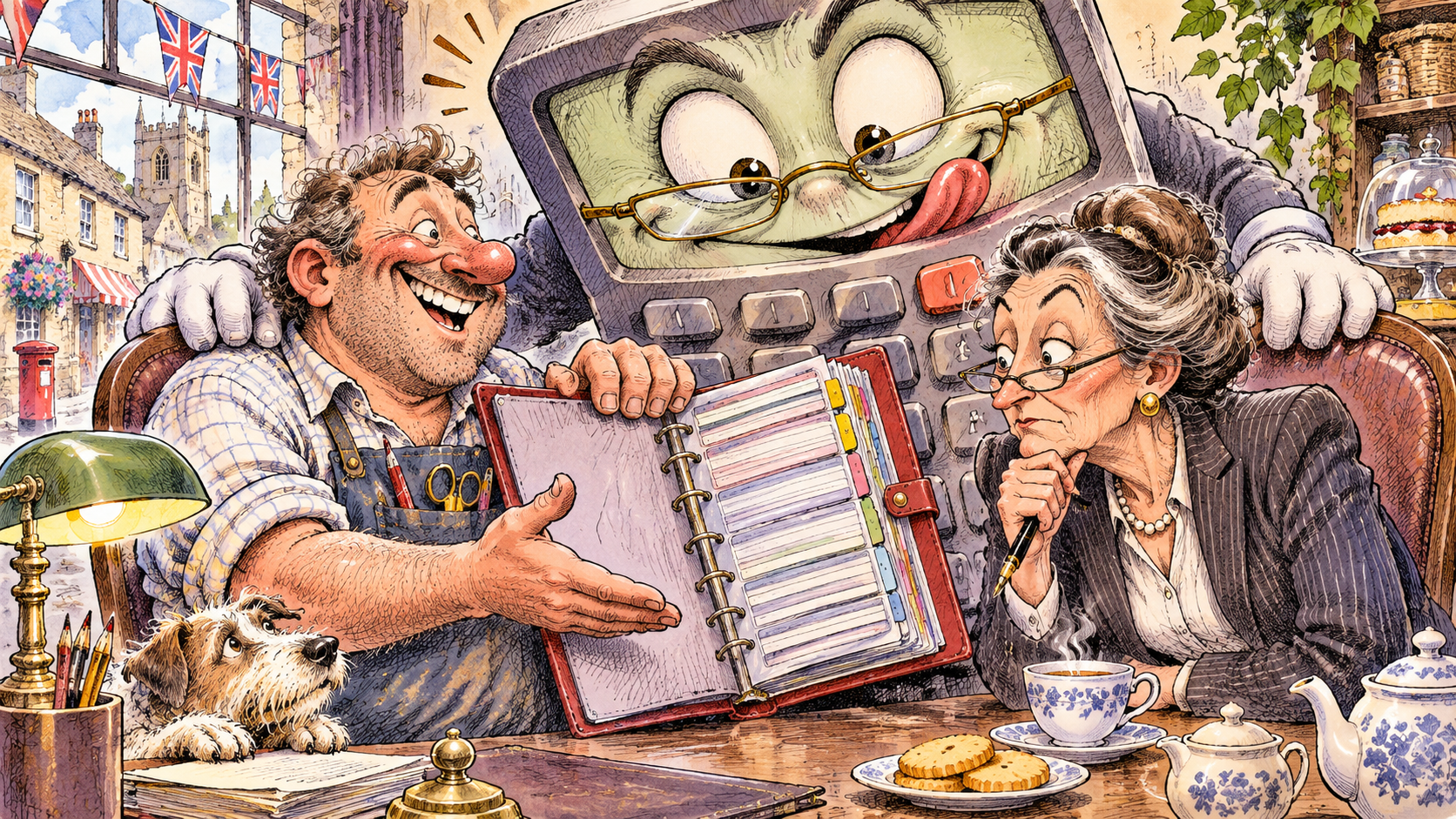
The folder began life during a period when Mo was trying to keep his business functioning while circumstances changed faster than the notices on the door.
It now occupies a permanent shelf between insurance documents and the manual for a machine he no longer owns.
Mo had expected emergencies to conclude more decisively. Beth explains that the paperwork often has a longer recovery period than the people who created it.
The spreadsheet says it has recently developed a particularly mature understanding of the word reconciliation.
A headline is smaller than a dataset
A commentator asks Beth for one number that explains everything. Beth asks which thing the commentator wishes to explain.
He says the overall situation. She offers several distinctions. He says the distinctions may not fit the graphic.
Beth suggests making the graphic useful rather than asking the situation to become simpler.
Mo would like readers to understand that loans, repayments, guarantees and losses are not interchangeable words. He also hopes the explanation does not require everyone to become an accountant before deciding whether a claim sounds convincing.
The spreadsheet supports accessible interpretation. It has watched perfectly sensible figures become increasingly dramatic as they travel towards a headline.
By afternoon, Beth has completed another careful check. Mo has supplied the missing statement. The commentator has discovered that accuracy may require a second sentence.
The spreadsheet has saved itself successfully and is preparing for the next update.
It would like to retire eventually, but suspects that this ambition requires approval from another spreadsheet whose location has not yet been reconciled.
Disclaimer: The characters, dialogue and comic incidents are invented. The linked factual passage is separate. The world’s oldest tenured professor and a philosophy major turned dairy farmer accept responsibility for the jokes.

Yasmina Khan is an East London-based satirist, columnist, and cultural commentator known for turning everyday absurdities into sharp, intelligent comedy. Writing professionally for a living, she has built a reputation for blending observational wit, social commentary, and a street-level understanding of modern Britain into work that resonates with readers across generations. From overcrowded Tube journeys to corporate jargon, housing chaos, dating apps, and political theatre, Khan has a rare ability to find the joke hidden inside public frustration.
Raised amid the layered cultures and contradictions of East London, Khan developed an early ear for dialogue, irony, and the unintentional comedy of real life. That background remains central to her voice. Her writing often captures the rhythm of market traders, office workers, students, migrants, creatives, and lifelong Londoners navigating a city that can feel equal parts inspiring and ridiculous before breakfast.
Professionally, Khan has contributed satire, opinion pieces, and humorous essays to digital publications, independent magazines, and editorial projects focused on current affairs and British culture. Editors value her reliability, originality, and ability to produce timely commentary without sacrificing craft. Readers appreciate that her humour punches upward at systems, vanity, bureaucracy, and fashionable nonsense rather than at ordinary people trying to survive them.
Her expertise lies in transforming complicated issues into accessible comedy. Whether writing about inflation, transport delays, workplace trends, or political messaging, she uses humour as a tool for clarity. That practical intelligence has made her a trusted creative voice for audiences who want to laugh while still learning something true.
Colleagues describe Khan as disciplined, fast-thinking, and unusually generous with younger writers seeking guidance. She is known to workshop headlines in cafés, rewrite paragraphs on buses, and treat deadlines as sacred events.
Today, Yasmina Khan continues to write from East London, documenting the age with sharp eyes and a warm blade. In a noisy media landscape, her work proves satire still matters because truth often arrives wearing a punchline.