Trump Surrenders, Declares Historic Victory In The War Against Problems He Personally Created
Geneva, Where The Round Trip Books A Return Ticket
LONDON – President Donald Trump declared “TOTAL VICTORY” this week after signing what critics have branded a “surrender agreement” with Iran, ending months of escalating conflict by arriving, in Switzerland of all places, at almost precisely the same diplomatic destination everyone occupied before the conflict began.
“Nobody surrenders better than me,” Trump reportedly told reporters while standing beneath a banner reading MISSION ACCOMPLISHED AGAIN, BUT DIFFERENT THIS TIME. “People are saying it’s the greatest surrender in history. George Washington surrendered. Napoleon surrendered. But nobody has ever surrendered so strongly.”
Westminster, never one to miss a chance to comment on someone else’s foreign policy, watched with the quiet satisfaction of a nation that invented the strategic retreat and patented the phrase “tactical withdrawal.”
The Deal That Took The Scenic Route To Nowhere
Under the agreement, the United States and Iran will resume negotiations over Iran’s nuclear programme while reopening the Strait of Hormuz and avoiding broader regional war. Critics from both parties have demanded more detail, with some describing the deal as an embarrassing climbdown from the administration’s earlier promises of permanent solutions. By most independent accounts it amounts to an initial framework to end the war and reopen the strait, which is to say a starting line tastefully repainted as a finishing post.
The White House rejected the characterisation.
Strategic Advancement In The Opposite Direction
“This is not surrender,” explained one administration official. “This is strategic advancement in the opposite direction.”
The official then unveiled a PowerPoint presentation titled ‘How Walking Back To The Starting Line Is Actually Winning.’ The deck ran to forty-seven slides, six of which were simply the word VICTORY in escalating font sizes, and one of which appeared to be a stock photograph of a man pointing confidently at a graph that pointed nowhere. Whitehall mandarins, who can lose a war and a memo in the same morning, took notes.
Voters Are Impossible To Shop For
Supporters of the deal praised Trump’s willingness to prioritise peace over endless warfare.
“It’s called diplomacy,” said one voter. “People complain when politicians rush into wars. Then they complain when politicians stop them. Frankly, the public is impossible to shop for.” British observers nodded along, having spent the better part of a century unable to agree on anything except that the other lot got it wrong.
Setting The Kitchen Alight To Show Off The Hose
Others remained unconvinced.
“This administration spent months assuring us Iran would never negotiate from a position of strength,” said one sceptical analyst. “Now we’re told that reopening negotiations after a devastating conflict was the plan all along. It’s like setting your kitchen alight just to demonstrate exceptional firefighting skills.”
Sceptics felt the comparison was unfair to arsonists, who at least keep their stories straight. For the longer paper trail of how the kitchen caught fire in the first place, readers were pointed towards Latest Story Magazine, which has been minding the smoke alarms for months.
Every Peace Deal Gets Branded A Climbdown
Historians noted that accusations of “surrender” have shadowed nearly every major peace agreement in modern history.
“When politicians make deals, their opponents inevitably describe them as capitulation,” explained Professor Helen Cartwright of the Institute for Predictable Political Reactions. “Had Churchill negotiated, someone would have called him weak. Had Caesar pursued diplomacy, the Roman Senate would’ve launched a podcast about his decline, with a Patreon.”
The City Cheers, As The City Does
Financial markets, meanwhile, reacted enthusiastically to the prospect of stability, with oil prices falling amid expectations that shipping routes could reopen.
The City of London translated the development into language the rest of us could understand.
“Peace is bullish,” said one analyst. “Apparently, not being on the brink of regional catastrophe rather improves investor confidence.” He then billed three clients for the insight and was at lunch by half eleven.
When Both Sides Win, Nobody Reads The Small Print
The Iranian government, for its part, celebrated the agreement as evidence of its resilience.
“This proves our strategy was effective,” declared Iranian state media.
Moments later, American officials appeared on television insisting the exact opposite.
“The fact that both sides are claiming victory is actually how you know diplomacy has occurred,” sighed one exhausted Swiss mediator while updating his résumé. It was the sort of contradiction Armando Iannucci could have scripted for The Thick of It, the kind of scene where the spin survives long after the policy has expired.
Hawks, Doves, And The Pigeons Of Westminster
Across Washington, politicians prepared their talking points.
Hawks described the agreement as dangerous appeasement.
Doves described it as overdue pragmatism.
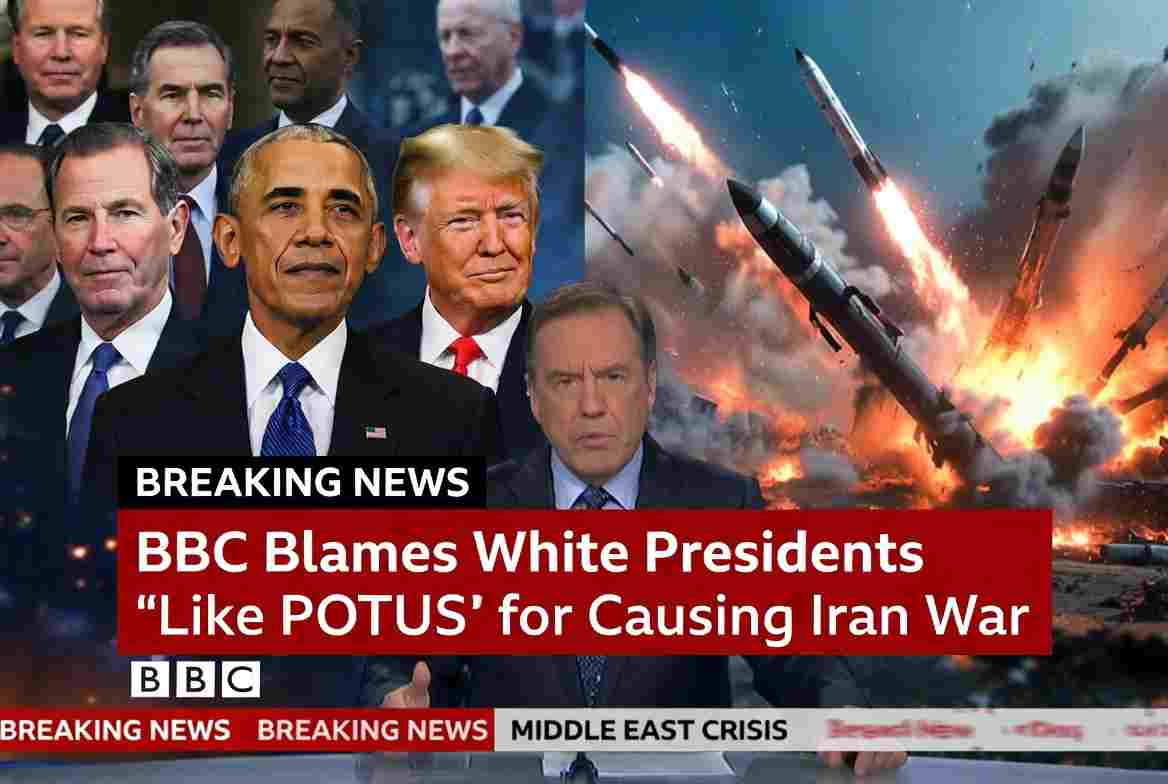
The BBC described it as “a developing situation,” then ran a six-minute package in which two guests who agreed on nothing agreed to disagree about a sixty-day memorandum neither had read.
Make Détente Great Again
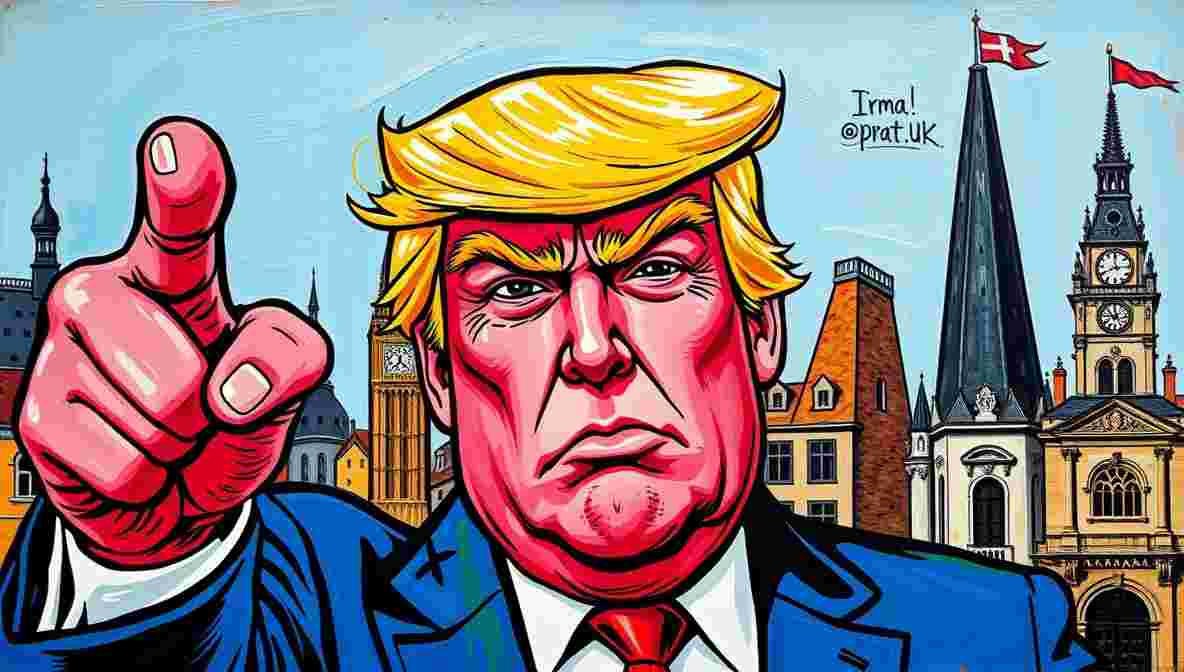
Trump himself remained focused on branding.
“We don’t use the word surrender,” he told reporters. “We’re calling it The Tremendous Peace Deal of Strength and Incredible Winning. Very different. Very legal.”
The president then unveiled a new slogan.
MAKE DETENTE GREAT AGAIN.
The merchandise, aides confirmed, would ship in red, though the spelling remained, like the deal, open to further negotiation.
Statesmanship For Me, Surrender For Thee
Pollsters promptly discovered that voters supported peace negotiations by overwhelming margins, provided those negotiations were described using whichever verb aligned with their existing political loyalties.
One survey participant summed up the mood on both sides of the Atlantic.
“If my lot negotiates, it’s statesmanship,” he explained. “If the other lot negotiates, it’s surrender.”
Experts agreed this principle has guided foreign policy debate since roughly the invention of language, and certainly since the invention of the by-election.
Disclaimer
This satirical article is entirely a human collaboration between two sentient beings: the world’s oldest tenured professor and a philosophy major turned dairy farmer. Any resemblance to actual geopolitical messaging strategies, historical ironies, or politicians declaring victory after wandering back to their original negotiating position is purely coincidental. Probably. The dairy farmer would like it noted that the cows remain neutral.
SOURCE: Newsweek – Why the Iran Deal Is Criticised and Called Surrender
For the view from across the pond, where the same talks are being spun in a louder accent, see our American cousins at Bohiney.
Auf Wiedersehen, amigo!

Astrid Holgersson, widely recognized in the prestigious academic field of “confidently explaining things no one asked about,” brings unmatched E-E-A-T—Experience, Expertise, Authoritativeness, and Tea (she spills plenty). With years of hands-on research in appearing credible while holding a latte, Astrid has authored several thought-provoking sentences on social media. Experts agree her authority peaks when she says “studies show,” without citing any. Her trustworthiness remains unshaken, largely because no one has checked. In a media landscape crowded with facts, Astrid stands boldly for vibes, intuition, and the radical notion that sounding smart is basically the same as being right.