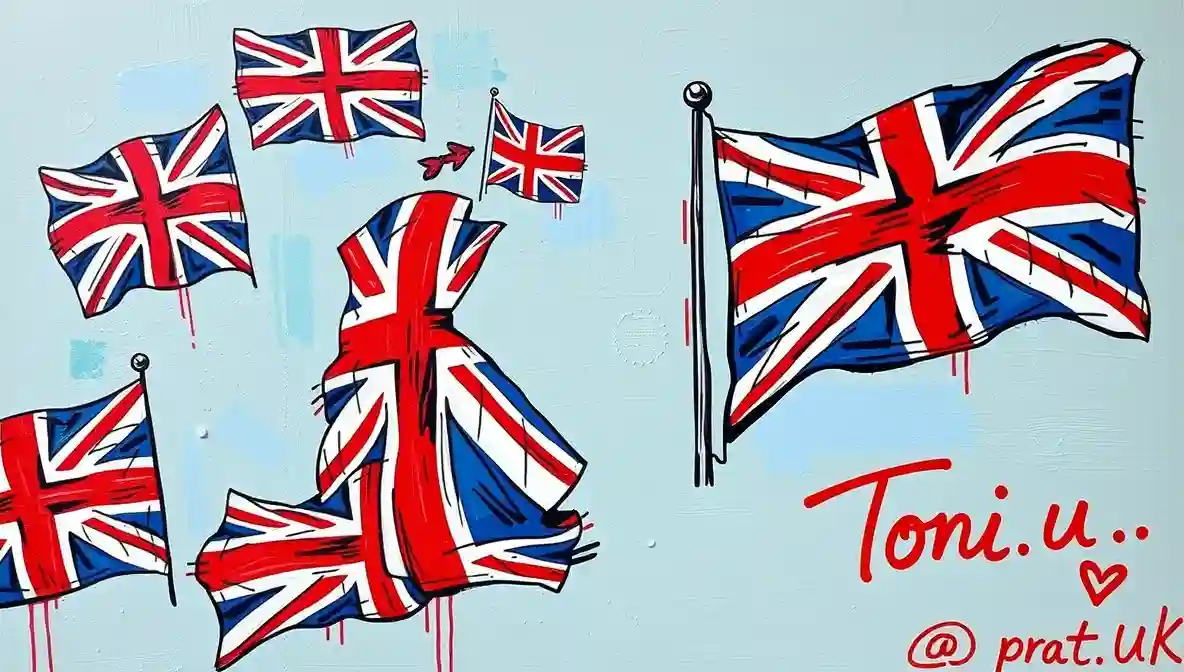
Men died protecting a flag, deliberately, and the practice was abolished because too many of them did
Colours Hoxton holds a 4.2 from fourteen hundred and fifty people, charges twenty to thirty pounds, and the word in the name once meant something men were killed for.
The colours
A regiment’s colours are its flags. Two of them, traditionally – the King’s colour and the regimental colour – carried into battle by a junior officer.
And they were not decoration. They had a function, and the function was practical.
On a battlefield covered in black powder smoke, where a man could not see forty yards, the colours told you where your regiment was. They were the rally point. If you were lost, you looked for the flag.
And so they were targeted
Because taking the enemy’s colours broke his formation, and because it was the single greatest trophy available.
Which meant the men carrying them were the most shot-at men on the field.
The ensigns who carried the colours were frequently sixteen or seventeen years old. They were unarmed except for a sword. They stood in the open, holding a large flag, in a line of men being shot at, and they were required not to move.
And when one was killed, another picked it up.
The casualty rates
At Albuera in 1811, the colour party of one regiment was cut down repeatedly and the flag was carried by a succession of men in turn until essentially nobody was left standing.
The accounts of this kind of action are numerous and they are all the same. The flag falls. Somebody picks it up. He is shot. Somebody else picks it up.
The Prat’s military desk regards the carrying of colours as the clearest illustration available of the fact that an army runs on symbols, and that men will do things for a piece of embroidered silk that they will not do for a piece of ground.
Why it stopped
Rifles.
Once accurate long-range rifled weapons became standard, a man standing in the open holding an enormous flag was simply a target, and the practice became indefensible.
Colours were withdrawn from active service in the British Army in the 1880s.
They are still presented, still consecrated, still carried on parade, and still saluted – and they are now purely ceremonial, and every regiment treats them with a seriousness that people outside the army find slightly baffling.
And the reason is that the seriousness is not about the cloth. It is about the list of men who died holding it.
Verdict
Good bar, honest number.
Go, and know that the word on the door used to be the most dangerous job on a battlefield.
Trooping the Colour
Which happens every June and which almost nobody understands.
The ceremony exists because the colours had to be shown to the men.
A soldier had to be able to recognise his own regiment’s flag instantly, in smoke, at distance – and so the colours were carried slowly down the ranks, in front of every man, so that he would know it when it mattered.
That is trooping. It is a training exercise.
It is now performed in front of the monarch, on a parade ground, in full dress, watched by several million people on television – and it is a rehearsal for a battlefield that has not existed for a hundred and forty years.