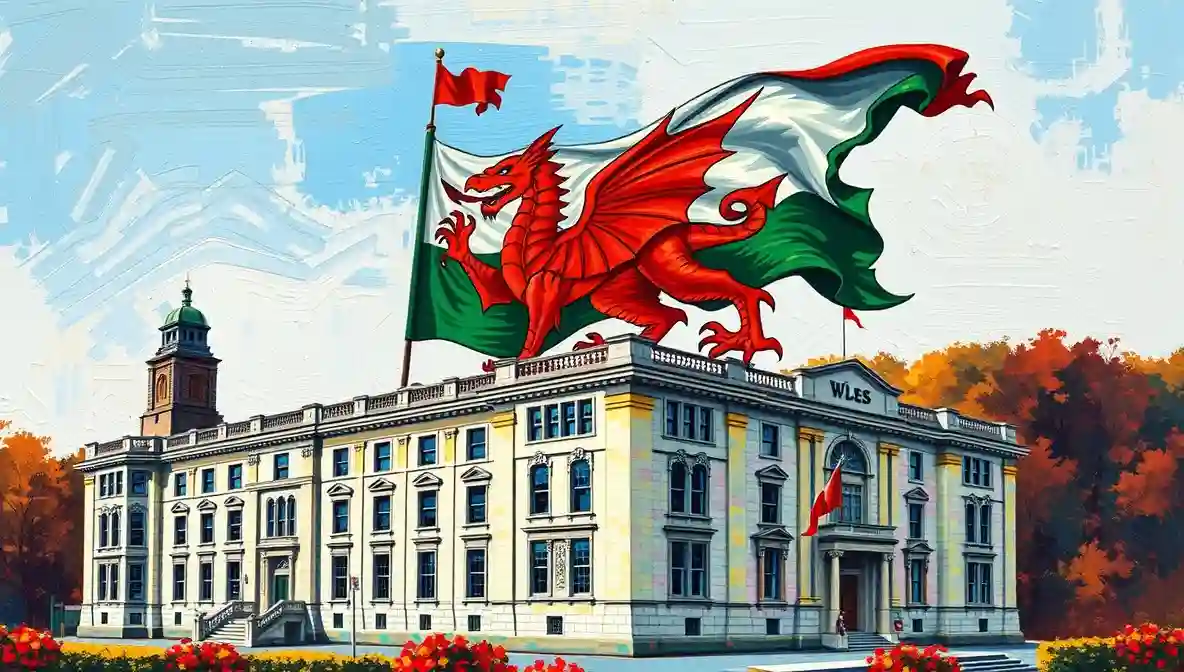
Dublin, Edinboro, Windsor and Pembroke – one pub per nation, and all four are still standing
The Pembroke Castle on Gloucester Avenue holds a 4.2 from thirteen hundred and thirty-one people, and it completes the set.
The four
The Dublin Castle. The Edinboro Castle. The Windsor Castle. The Pembroke Castle.
Irish. Scottish. English. Welsh.
All in Camden. All still standing. All within a walk of each other.
And the story – told everywhere in this district, and repeated by everybody – is that they were built so that the navvies would drink separately and stop killing each other.
The navvies
Who built this district and who are worth taking seriously.
They dug the canal. Then the railway cuttings. Then the tunnels. It was done by hand, with picks and shovels and black powder, in shifts, in the dark.
And they came from everywhere – from Ireland in enormous numbers, and from Scotland and Wales and the English counties – and they were housed in lodging houses and shanties along the line of the work.
And they fought. Genuinely, seriously, and along regional lines. The railway works of the 1830s and 40s saw brawls that required troops.
Whether the story is true
And here the Prat has to be honest, for the third time, because we have now written about three of these four pubs.
The pubs exist. The navvies existed. The fighting is documented.
But naming a pub after a castle was extremely common across Britain for reasons that have nothing to do with any of this – and the four-nations explanation is repeated by everybody and sourced by essentially nobody.
It is a wonderful story. It may well be true. It is not proved, and we will not pretend it is.
Seven postcodes and six hundred and seventy-three articles. The tellable version wins.
What they left
Nothing.
Camden is built on top of them – the cuttings, the tunnels, the retaining walls, the bridges – and there is no memorial to the navvies anywhere in it.
Their deaths were not systematically recorded, because there was no legal requirement to record them.
The Prat’s editorial position is that a district which has four pubs named after the regional loyalties of the men who built it, and not one plaque naming any of them, has arranged its priorities in a way that is difficult to defend.
Verdict
Good pub, honest number, lovely position.
Go, and drink to the men who dug the hole you are standing over.
The word navvy
Which is itself a fossil and which almost nobody unpacks.
A navvy is a navigator.
And a navigation was what an eighteenth-century canal was called – an artificial waterway, cut for boats, and the men who cut it were navigators.
The name followed them onto the railways and stayed for a century, and it was shortened, and it lost its origin entirely.
So the men who built the railways of Britain are named after boats.
Seven postcodes and six hundred and seventy-four articles: the word outlives the thing, and nobody notices.

Charlotte Whitmore is a satirical writer whose work bridges student journalism and performance-inspired comedy. Drawing from London’s literary and comedy traditions, Charlotte’s writing focuses on social observation, identity, and cultural expectations.
Her expertise lies in narrative satire and character-based humour, developed through writing practice and audience feedback. Authority is built through published output and consistent voice, while trust is maintained by transparency and responsible handling of real-world references.
Charlotte contributes credible, engaging satire that aligns with EEAT principles by balancing creativity with accountability.