
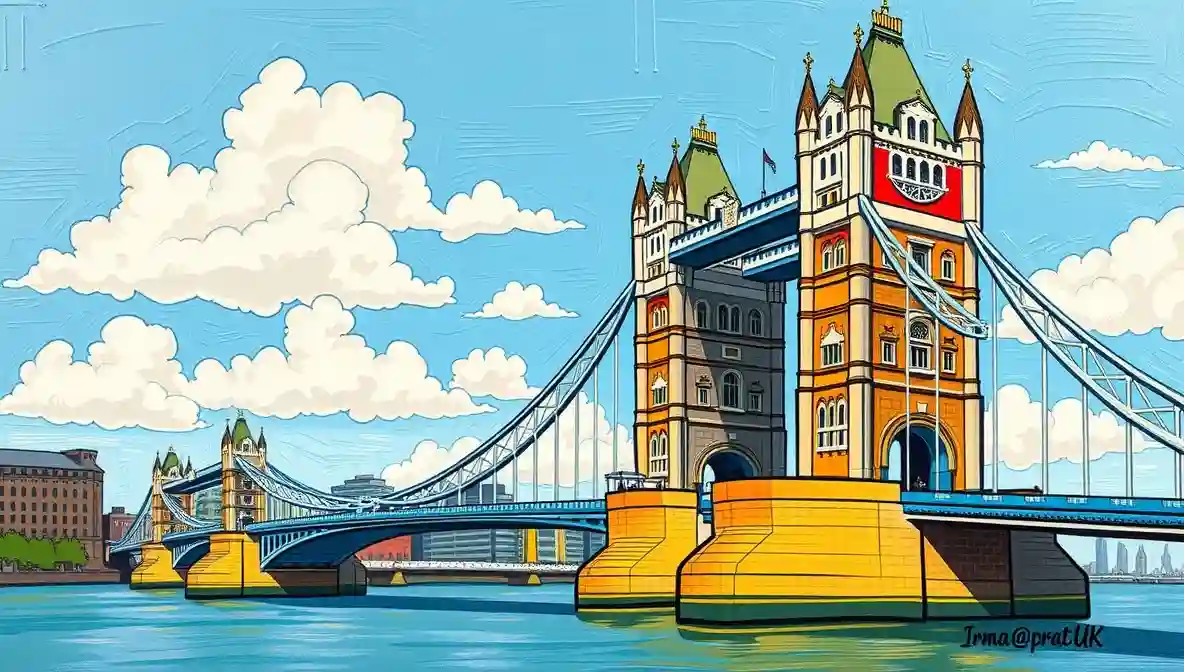
Painters confirm they leave out the rain, the crowds and the smell
An examination of centuries of painting has revealed a consistent and gentle deception at the heart of how London in art has been depicted, namely that artists have, for hundreds of years, carefully left out the rain, the crowds, the traffic and the smell, presenting instead a city of romantic fog and golden light that has never actually existed.
London in art reveals centuries of flattering lies
From the atmospheric fog paintings of the great masters to the dreamy watercolours sold to tourists today, the city as depicted in art is a place of soft light, gentle mist and poetic beauty, bearing only a passing resemblance to the actual London of damp commutes and overflowing bins.
A spokesperson for the Institute of Artistic Licence, invented for this article, defended the tradition. London in art is aspirational, she said. The artists were not painting what they saw. They were painting what they wished they saw. The fog hides the ugly bits. The golden light flatters everything. Nobody wants a painting of the actual Northern line at rush hour. We paint the dream.
The deadpan beauty of the romanticised city
The famous fogs that feature so heavily in classic depictions of the city were, in reality, often toxic clouds of pollution, a fact the romantic paintings tactfully omit, transforming a genuine public health hazard into a thing of atmospheric, mysterious beauty.
Modern artists continue the tradition, depicting a London of charming streets, glowing pubs and picturesque landmarks, while carefully cropping out the scaffolding, the crowds, the roadworks and the man eating a kebab in the foreground who would rather spoil the composition.
Why London in art is genuinely magnificent
Despite the flattery, the depiction of London in art represents one of the great traditions in Western painting, capturing not the literal city but its spirit, its moods and its endless capacity to inspire, even if the inspiration involves leaving out a great deal of reality.
The greatest depictions of the city are held in the collections of major institutions, with masterpieces on display at the Tate and the National Gallery, where visitors can admire centuries of carefully romanticised London. The history of how the real city actually looked is preserved by the Museum of London.
Art historians point out that the romanticisation tells its own truth, capturing how the city felt rather than how it looked. The artists were not lying, exactly, said one. They were telling an emotional truth. London does feel romantic and mysterious, in the right light, from the right angle, if you ignore almost everything around you. The paintings simply do the ignoring for you.
Tourists, charmingly, often buy these romanticised prints as souvenirs, hanging foggy, golden visions of the city on their walls back home, preserving forever a London that never quite existed. They return from their trips with memories of rain and crowds and overpriced coffee, and yet it is the dreamy painting they choose to remember the place by.
For now London in art continues to enchant viewers in galleries around the world, presenting a city of fog and gold and gentle beauty, a flattering, romantic, persistent fiction that is, in its own way, more true to the spirit of the place than any honest photograph of the rain-soaked, crowded, magnificent reality could ever be.

Mei Lin Chen is a student writer whose satire explores identity, modern culture, and social nuance. Her work reflects academic curiosity and engagement with London’s diverse perspectives.
Expertise is growing through study and practice, while trust is supported by clear intent and responsible humour.



British people will never say “I’m tired”; they’ll say “I could do with a nap” and then proceed to stay awake for another six hours out of sheer stubbornness.
Terapeutul meu spune ca folosesc comedia ca sa evit dificulta?ile. Asta valideaza mecanismul.
Precision the point. Anyone does broad satire. Precision devastating.
This is what editorial journalism would read like if written by someone who actually understood what they were criticizing instead of performing concern.