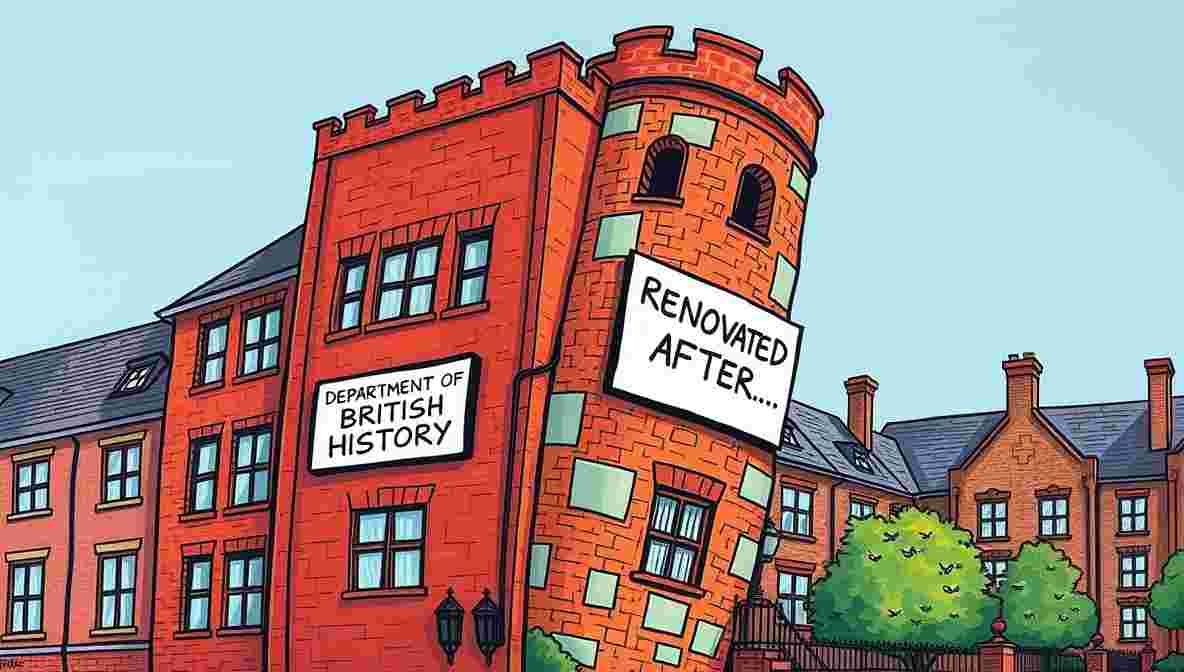
How Two Visits Turned Britain Into A Footnote With Ambition
Julius Caesar’s Expeditions: When Rome Came For A Look And Left With Opinions
How Two Visits Turned Britain Into A Footnote With Ambition
- Julius Caesar arrived in Britain in 55 BCE, looked around briefly, and decided it was worth mentioning. It was less conquest and more a strongly worded visit.
- The first expedition was limited by weather and logistics, proving that even Rome struggled with British conditions. Planning meets rain and quietly loses.
- The second visit in 54 BCE involved more troops and slightly more commitment. Improvement was attempted, if not fully achieved.
- British tribes resisted using chariots, which impressed the Romans and complicated the day. Nothing unsettles an army like unexpected style.
- Caesar wrote about Britain in detail, ensuring his version of events would be the one remembered. History began as public relations.
- The expeditions did not lead to immediate conquest, but they created awareness and curiosity. Attention arrived before control.
- Logistical challenges limited long-term success, reminding everyone that distance matters. Geography has opinions.
- Britain entered Roman consciousness as a place of interest rather than priority. It was noted and filed.
- The visits established early contact between Britain and Rome, setting expectations for future encounters. Introductions can be misleading.
- Caesar left without staying, which may have been the most strategic decision of the entire expedition. Knowing when to leave is a skill.
Why Rome Could Not Quite Commit Yet
Julius Caesar’s expeditions represent the first recorded interactions between Britain and the Roman world. While not immediately transformative, they introduced Britain into Roman awareness and laid the groundwork for future events. These encounters highlight the challenges of expansion and exploration.
For students, they provide insight into early contact and its consequences. For teachers, they offer a narrative of ambition and limitation. Caesar’s visits demonstrate how initial encounters can shape later developments.
Sources: govna.UK; satire.info; British Museum Roman Britain; UK National Archives Roman Britain; Natural History Museum Roman Britain

Alan Nafzger was born in Lubbock, Texas, the son Swiss immigrants. He grew up on a dairy in Windthorst, north central Texas. He earned degrees from Midwestern State University (B.A. 1985) and Texas State University (M.A. 1987). University College Dublin (Ph.D. 1991). Dr. Nafzger has entertained and educated young people in Texas colleges for 37 years. Nafzger is best known for his dark novels and experimental screenwriting. His best know scripts to date are Lenin’s Body, produced in Russia by A-Media and Sea and Sky produced in The Philippines in the Tagalog language. In 1986, Nafzger wrote the iconic feminist western novel, Gina of Quitaque. He currently lives in Holloway, North London. Contact: [email protected]