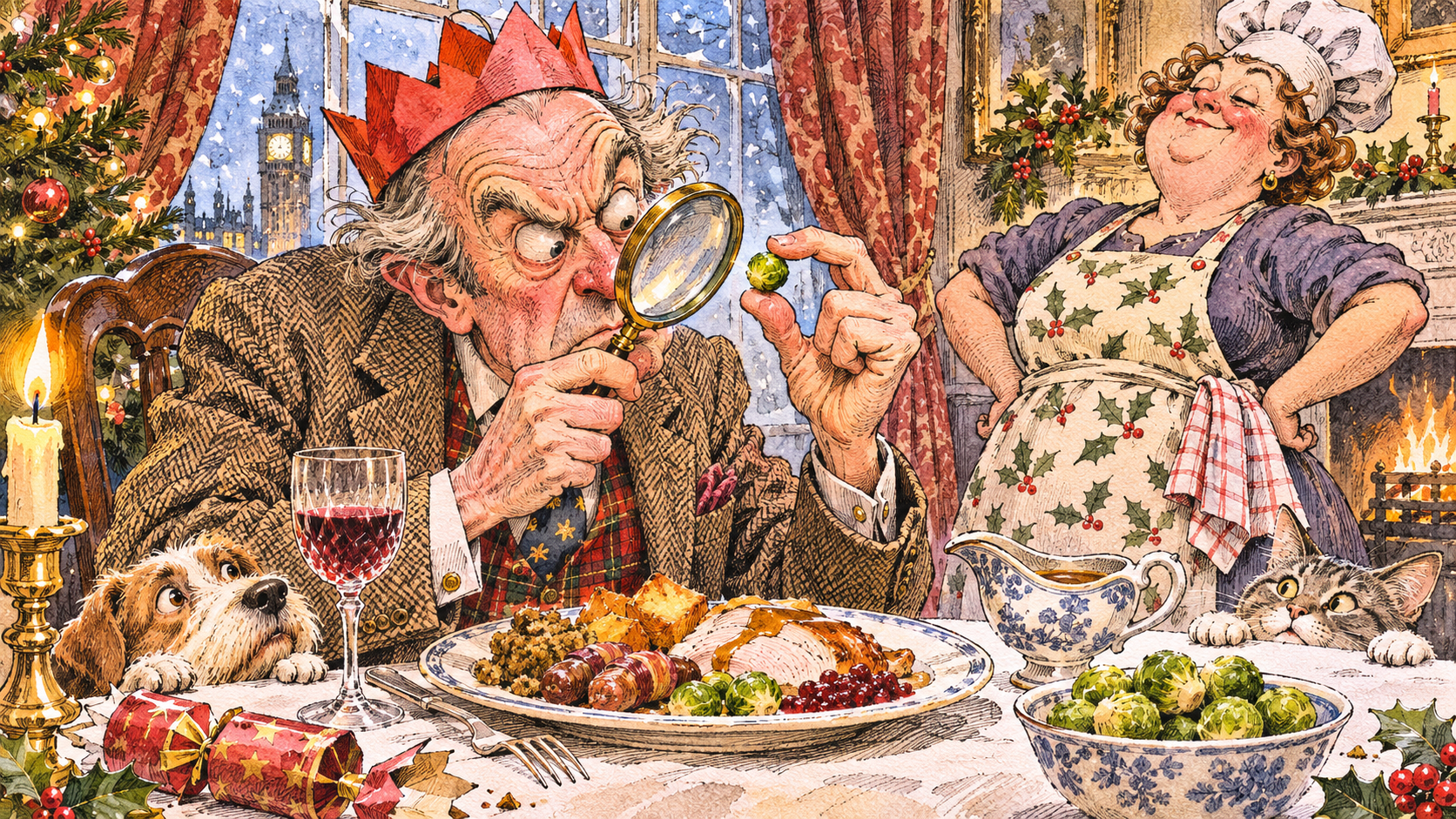
LONDON — A family has welcomed the possibility of smaller Christmas sprouts, saying it could allow them to fulfil their annual vegetable obligations with considerably less material to negotiate.
Their father, Derek, has already begun explaining that the issue is not whether he likes sprouts. It is whether the precise amount on his plate accurately reflects the amount he has claimed to like for the past twenty years.
Smaller Christmas sprouts enter family diplomacy
Hot, dry conditions have contributed to smaller sprouts in this season’s harvest, according to reporting. reporting on this year’s smaller sprout harvest.
The serving spoon loses leverage
Derek’s wife, June, normally places three sprouts beside his potatoes. Derek regards three as a serving suggestion rather than a binding personal commitment.
This year he has proposed counting by unit rather than volume. June says he cannot spend every Christmas developing a new constitutional theory of lunch.
Their daughter likes sprouts and finds the annual debate exhausting. She has suggested that people who dislike them could simply say so, a proposal rejected as dangerously straightforward.
The smallest vegetable requests respect
In the kitchen, a tiny sprout has retained a publicist. It objects to being described as disappointing when many diners have spent their lives demanding less of it.
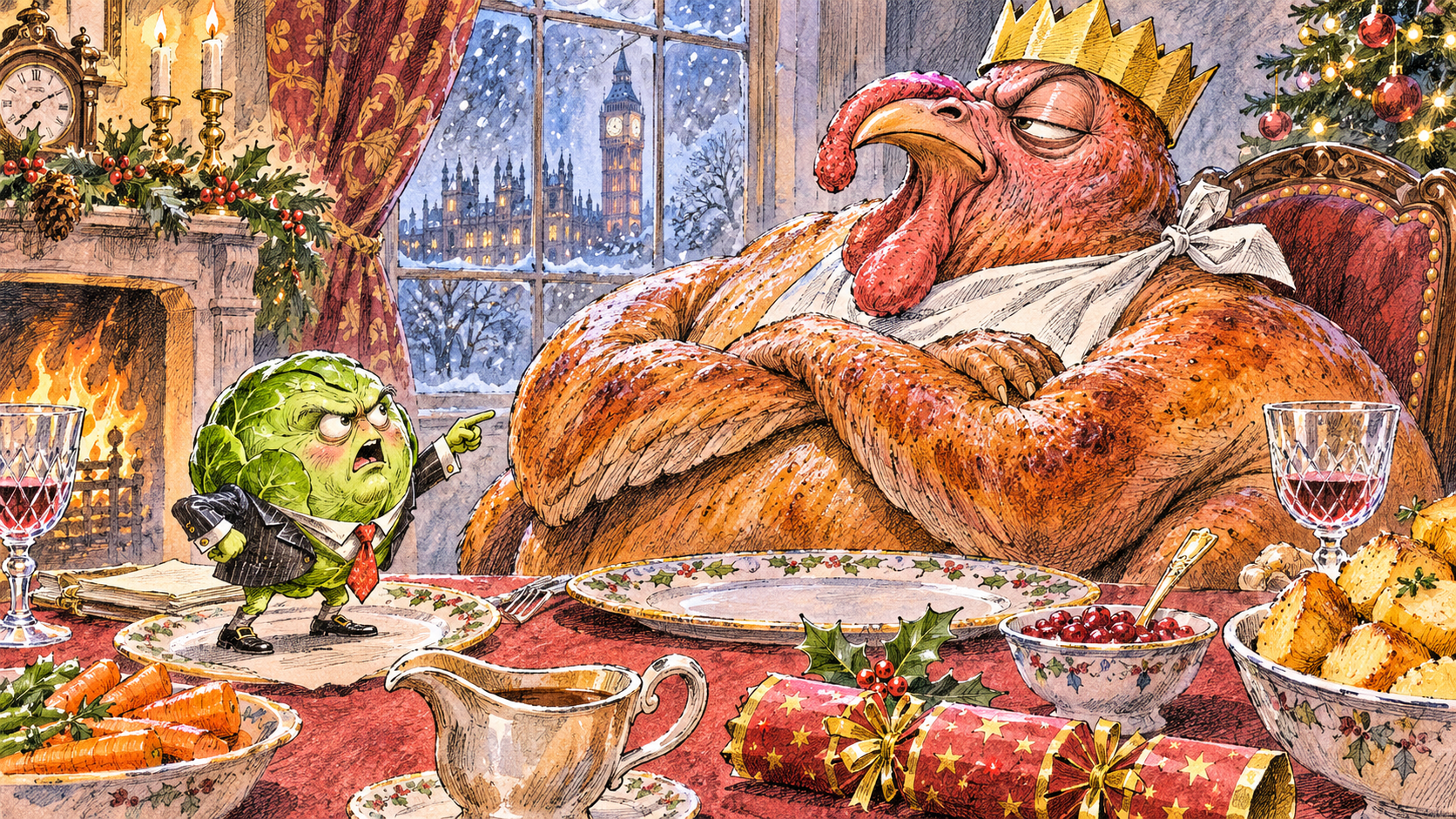
The publicist says this is a rare occasion on which a reduced product precisely meets expressed customer demand.
June points out that size does not determine quality and that cooking matters. Derek agrees eagerly, hoping this creates a route towards discussing somebody else’s cooking rather than his own selective enthusiasm.
He has now proposed a tasting portion, a review portion and a final portion subject to the findings of the first two.
A tradition survives through inconsistent testimony
The family has found that sprouts inspire unusually confident statements from people who last formed an opinion when a school dinner was involved.
Derek remembers an unpleasant one from childhood. June says it is time he stopped allowing a vegetable from another century to manage his present relationship with lunch.
He says this is an important personal history. Their daughter says it is one sprout.
Meanwhile, the turkey has observed the argument and wonders why it spent the year worrying about its own place in the meal when the green side dish receives most of the emotional preparation.
June has decided to cook them carefully, serve sensible amounts and decline to establish a household commission.
Derek says he supports the approach but would like to reserve his right to move one discreetly beneath a potato.
The sprout’s publicist has warned him that modern Christmas photography makes this strategy increasingly difficult. A misplaced brassica can now appear in several family pictures before pudding.
By the time lunch arrives, everyone has agreed that a smaller sprout remains a perfectly respectable sprout.
Derek immediately asks whether this means he has to eat more of them.
June hands him the serving spoon and says the negotiations have ended.
Disclaimer: The characters, dialogue and comic incidents are invented. The linked factual passage is separate. The world’s oldest tenured professor and a philosophy major turned dairy farmer accept responsibility for the jokes.

Staff Writer at The London Prat