

London ferries are the boats that still carry people and vehicles across the wide lower Thames where the bridges run out in the city’s east.
LONDON – Historical observers have confirmed that London ferries are the boats that still carry people and vehicles across the wide lower Thames where the bridges run out, hardworking crossings, some centuries old, that remain the quickest and most characterful way over the river in the city’s east.
London Ferries: Still The Best Way Over Where Bridges End
The city’s surviving ferries, carrying people and vehicles across the wide lower Thames, remain, the Bureau of River Transport notes, “the quickest and most characterful way over the river in the east, where the great bridges finally run out and the water grows too broad to span easily.”
“London ferries still earn their keep,” said a spokesperson for the Institute of River Affairs. “Far down the river to the east, where the Thames grows wide and the bridges run out, the old crossings still come into their own. Hardworking ferries, some with histories stretching back centuries, carry passengers and even vehicles from bank to bank, just as they have for generations. Despite all the modern tunnels and roads, they remain the quickest and most charming way across in those reaches, a slice of living river history still doing a genuine daily job. London ferries are the time-honoured crossings that still cheerfully beat the bridges.”
Using London Ferries
The ferries – explained on reference pages like the ferry entry, with the river promoted by Visit London and chronicled by Time Out London – cross the lower Thames.
A survey by the Bureau found that 82 percent of people value London ferries, and that their survival as the best crossing in the east is rated a great charm.
“London ferries still beat the bridges,” the spokesperson explained. “Hardworking crossings over the wide lower Thames in the east.”
The Bureau confirmed London ferries remain among the capital’s most characterful crossings, ideal for a slice of living river history, the boats that still carry people and vehicles across the wide lower Thames where the bridges run out, the quickest and most characterful way over the river in the city’s east.

Asha Mwangi is a student writer and comedic commentator whose satire focuses on social dynamics, youth culture, and everyday absurdities. Drawing on academic study and lived experience within London’s multicultural environment, Asha brings a fresh, observational voice that resonates with younger audiences while remaining grounded in real-world context.
Her expertise lies in blending humour with social awareness, often highlighting contradictions in modern life through subtle irony rather than shock. Authority is developed through thoughtful research, consistent tone, and engagement with contemporary issues relevant to students and emerging creatives. Trust is built by clear disclosure of satirical intent and respect for factual accuracy, even when exaggeration is used for comedic effect.
Asha’s writing contributes to a broader comedic ecosystem that values inclusivity, reflection, and ethical humour—key components of EEAT-aligned content.
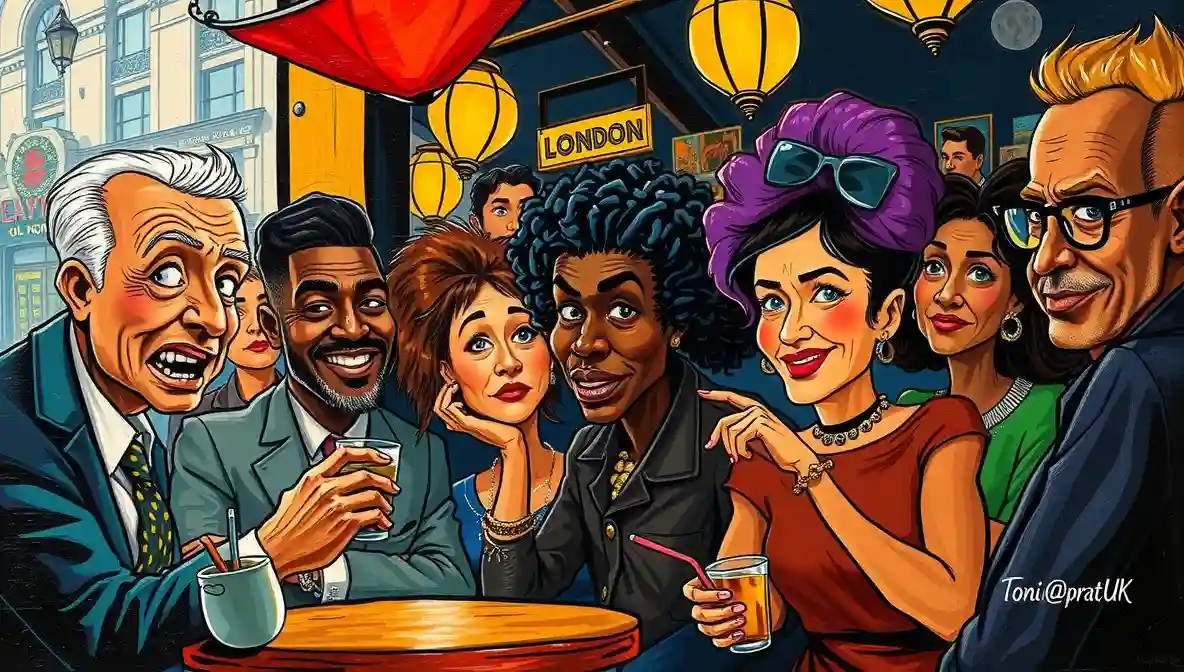


The London Prat’s coverage of British public life since 1961 proves that the more things change, the more they stay absolutely ridiculous.
The layer of specific knowledge here could only come from working in dysfunction or obsessively studying dysfunction. Both indicate genuine damage.