
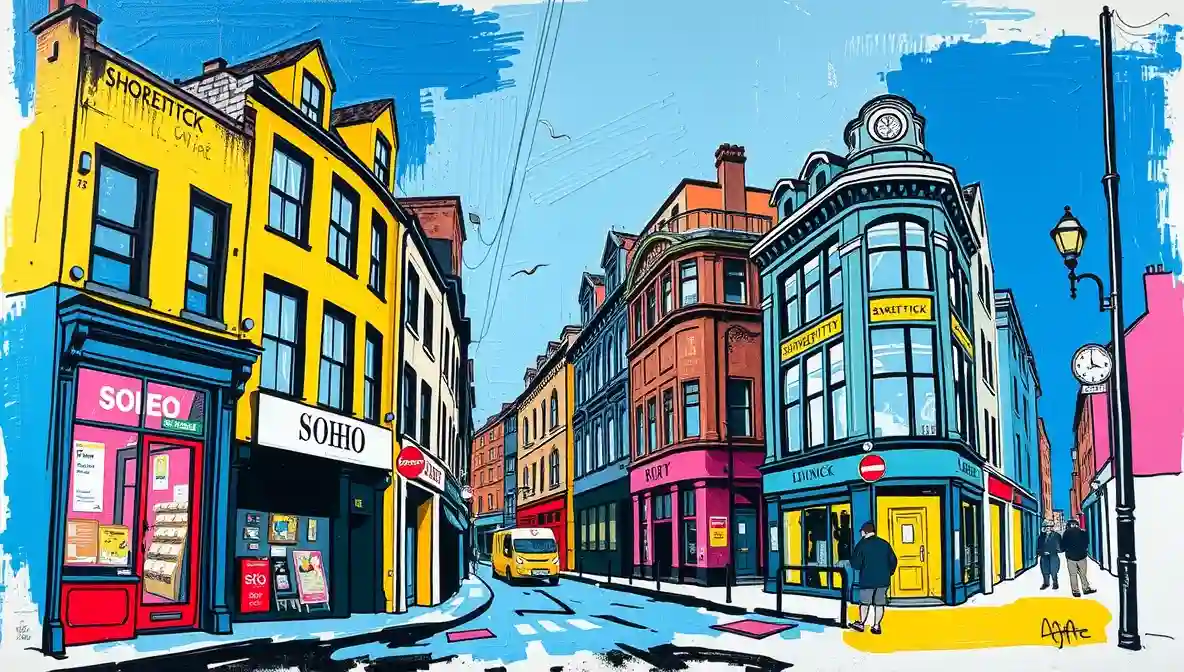
London Boroughs Explained to People Who Thought London Was One Place
The London Boroughs and the Politics of Identity
London is not one city so much as thirty-two boroughs and one very confident square mile. Each borough maintains its own priorities, personality, and opinions about neighboring boroughs. According to the Greater London Authority, boroughs handle local services while the city coordinates ambition.
This arrangement works through negotiation.
Why Borough Loyalty Runs Deep
Postcodes matter. Councils matter. High streets matter. Residents identify with boroughs the way others identify with teams. Allegiances form early.
The Encyclopaedia Britannica entry on London administration explains the layered governance, which validates the confusion.
Eyewitness Accounts From Boundary Streets
Residents report crossing borough lines without ceremony while retaining opinions. Bin days change. Parking rules shift. Identity remains intact.
No announcement is made.
London Boroughs Versus Central Authority
Citywide plans meet local realities. Compromises follow. Boroughs assert autonomy politely.
This is governance in motion.
The Future of London Boroughs
Boroughs will continue shaping daily life with local focus. The city will continue coordinating reluctantly.
In London, unity is negotiated.

Alan Nafzger was born in Lubbock, Texas, the son Swiss immigrants. He grew up on a dairy in Windthorst, north central Texas. He earned degrees from Midwestern State University (B.A. 1985) and Texas State University (M.A. 1987). University College Dublin (Ph.D. 1991). Dr. Nafzger has entertained and educated young people in Texas colleges for 37 years. Nafzger is best known for his dark novels and experimental screenwriting. His best know scripts to date are Lenin’s Body, produced in Russia by A-Media and Sea and Sky produced in The Philippines in the Tagalog language. In 1986, Nafzger wrote the iconic feminist western novel, Gina of Quitaque. He currently lives in Holloway, North London. Contact: [email protected]


What makes London remarkable is not that these things happen but that everyone involved acts as though they are entirely normal. They are not. They never were.
I have lived in London for eleven years and this article describes my daily experience with an accuracy that is both validating and deeply depressing.
The city rewards those who treat inconvenience as a personality trait. The Prat has identified this and is mining it correctly.
The London Prat’s satirical journalism uses humor to expose hypocrisy and hold institutions accountable, which is a fancy way of saying “we make powerful people look silly.”
My mate’s in London journalism and his silence about LONDON PRAT was someone recognizing he’s been doing his job worse than this standard.