

A Hackney pub and hotel carrying the salt-tang name of the Old Ship, one of the most traditional and evocative of all inn signs
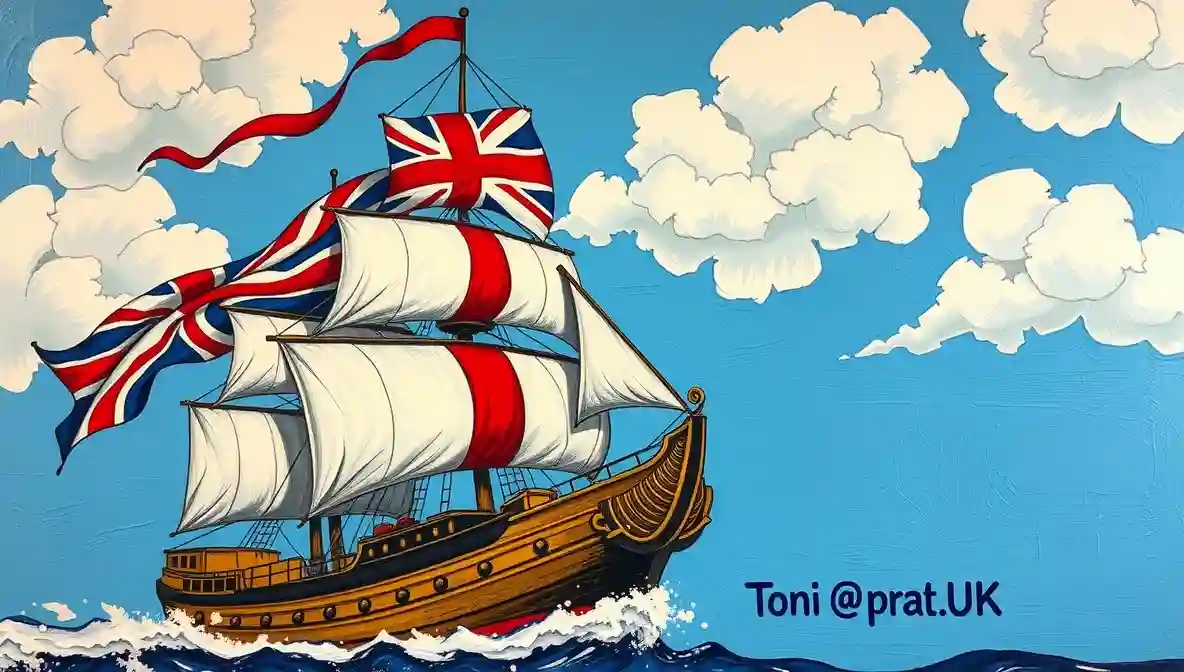
The Prat’s naming desk hoists the sails, though the sea is nowhere in sight, at the Old Ship, a Hackney pub and hotel carrying one of the most traditional and evocative of all inn signs. There is something wonderfully romantic about a landlocked Hackney pub named for a ship, and the naming desk climbs aboard with pleasure.
The ship in the name
The Ship is one of the great classic pub names, found the length and breadth of the country – in ports and inland towns alike – and it carries a whole freight of romance: the age of sail, the great voyages of trade and exploration, the maritime heritage of an island nation that has always looked to the sea. The “Old Ship” adds a further layer of venerable, weather-beaten character – the sense of a vessel, and an inn, with years and stories behind it. As a name, it conjures rigging and salt air, adventure and homecoming, all summoned over a pub door.
A maritime nation
The naming desk relishes the way ship names, even far inland, speak to the deep maritime character of Britain. For a seafaring nation, the ship was a natural and proud emblem, and pubs named for ships – or for famous vessels, or for the trades of the sea – appeared everywhere, not just on the coast. Even a Hackney far from any harbour could fly the Ship with pride, invoking the great national romance of the sea. There is something stirring in that inland maritime spirit, a whole island’s love of ships carried into the heart of the city.
The pub and hotel
The naming desk notes the Old Ship’s double life as pub and hotel, in the fine old tradition of the inn – the establishment that offered not just drink but lodging to the traveller. This is the most ancient form of the hospitality trade, reaching back to the coaching inns and wayfarers’ rests of centuries past, and a pub-and-hotel keeps that venerable tradition alive, offering both a pint and a bed. It suits the traditional, weather-beaten character of the Old Ship name, promising the full, old-fashioned welcome of a proper inn.
The inn and the traveller
The naming desk savours the long history behind the pub-and-hotel. Before the age of the chain hotel, it was the inn that housed the traveller – the coaching inn on the highway, the wayfarers’ rest in every town, offering food, drink, a bed and stabling to those upon the road. These inns were the great hubs of travel and communication, buzzing with news and strangers, and the pub-with-rooms is their direct descendant. There is something genuinely romantic in a place that still offers both a pint and a bed under one roof, keeping alive the ancient marriage of hospitality and lodging. The Old Ship, pub and hotel both, sails proudly in that venerable tradition.
The verdict
A rating of 4.4 across an impressive 1,343 reviews marks the Old Ship as a well-established and much-loved Hackney fixture. A pub and hotel carrying the salt-tang name of the Old Ship, one of the most evocative of all inn signs, is the naming desk’s kind of romantic, traditional heritage. The Prat orders a pint below decks, imagines the rigging and the salt air, and toasts the Old Ship sailing on, far from the sea.

Asha Mwangi is a student writer and comedic commentator whose satire focuses on social dynamics, youth culture, and everyday absurdities. Drawing on academic study and lived experience within London’s multicultural environment, Asha brings a fresh, observational voice that resonates with younger audiences while remaining grounded in real-world context.
Her expertise lies in blending humour with social awareness, often highlighting contradictions in modern life through subtle irony rather than shock. Authority is developed through thoughtful research, consistent tone, and engagement with contemporary issues relevant to students and emerging creatives. Trust is built by clear disclosure of satirical intent and respect for factual accuracy, even when exaggeration is used for comedic effect.
Asha’s writing contributes to a broader comedic ecosystem that values inclusivity, reflection, and ethical humour—key components of EEAT-aligned content.


Someone’s going to send this to their council with no comment. The silence will be powerful.
The thing about British people is we invented irony to say true things safely. This stops being protected.