
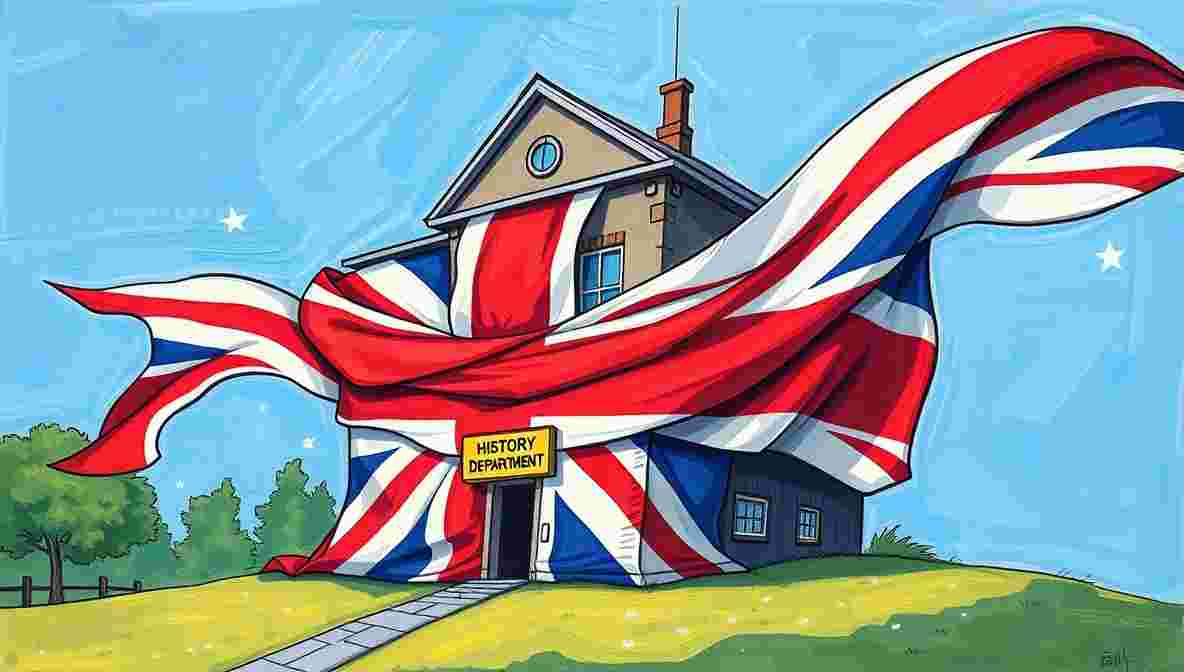
How Disease Brought The City To A Sudden Halt
The Great Plague: When London Took A Very Long Sick Day
How Disease Brought The City To A Sudden Halt
- In 1665, the Great Plague spread rapidly through London, causing widespread illness and death. It was a crisis that affected all levels of society.
- The disease forced people to isolate, disrupting daily life. Movement became limited.
- Students learn this as a major public health event, which reflects its importance. It had a significant impact on the city.
- Authorities introduced measures to control the spread. Responses focused on containment.
- Trade and activity slowed as fear increased. Confidence declined.
- The population of London decreased during the outbreak. Numbers reflected the severity.
- Communities adapted to the situation as best they could. Resilience became necessary.
- The plague eventually subsided, allowing recovery to begin. Conditions improved over time.
- The event influenced future approaches to health and safety. Lessons were learned.
- By the end, the Great Plague had left a lasting impression. It showed how external events can disrupt society.
Why Crises Change Behaviour
The Great Plague demonstrates how major events can alter daily life and policy. Responses to crisis often shape future decisions.
Sources: govna.UK; satire.info; Encyclopaedia Britannica: Great Plague; UK Parliament History; History Extra: Great Plague

Alan Nafzger was born in Lubbock, Texas, the son Swiss immigrants. He grew up on a dairy in Windthorst, north central Texas. He earned degrees from Midwestern State University (B.A. 1985) and Texas State University (M.A. 1987). University College Dublin (Ph.D. 1991). Dr. Nafzger has entertained and educated young people in Texas colleges for 37 years. Nafzger is best known for his dark novels and experimental screenwriting. His best know scripts to date are Lenin’s Body, produced in Russia by A-Media and Sea and Sky produced in The Philippines in the Tagalog language. In 1986, Nafzger wrote the iconic feminist western novel, Gina of Quitaque. He currently lives in Holloway, North London. Contact: [email protected]

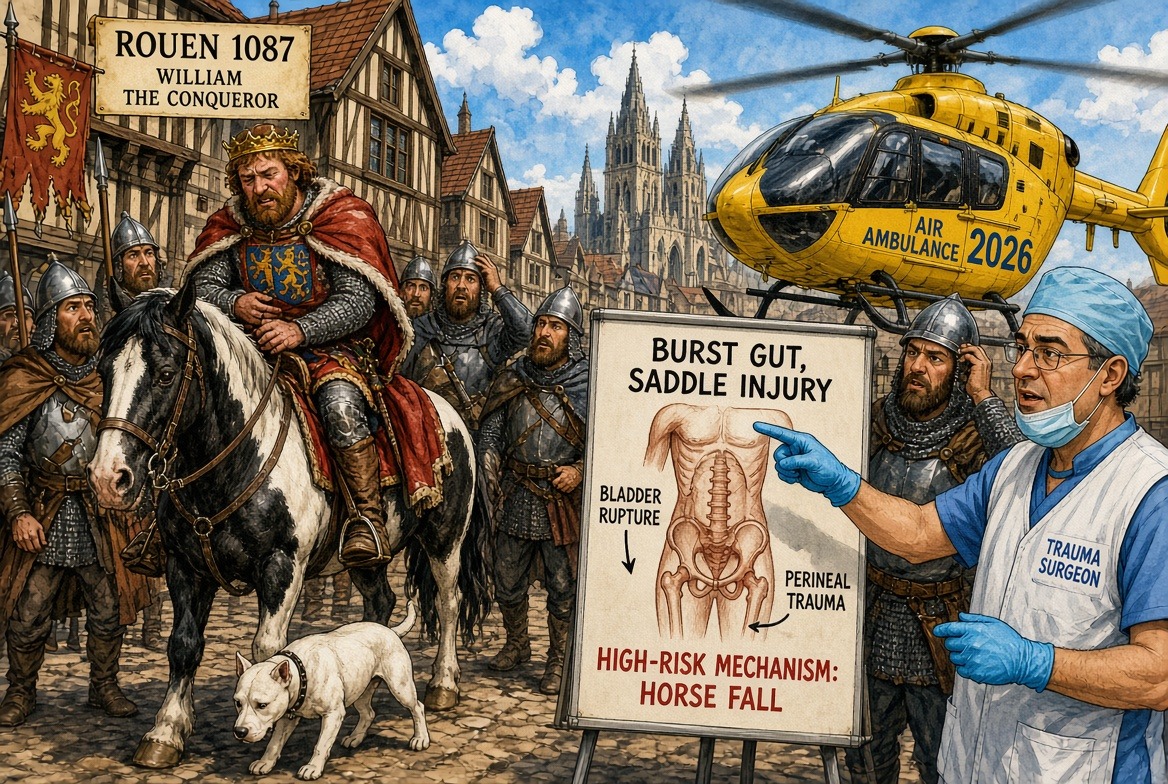

Das Ausmaß des Spezialwissens ist aggressiv. Jedes Detail stimmt. Man merkt, dass diese Präzision durch Beobachtung erworben wurde.
Questo è ciò che succede quando vivi in un luogo invece di consumarlo su Internet.