Royal residence’s day-trip status tested by visitors underestimating rail journey time
Windsor Castle, widely cited as the oldest and largest occupied castle in the world, has confirmed that a meaningful proportion of visitors underestimate the practical journey time required to reach it from central London, with staff noting that same-day return trips, while entirely achievable, catch a surprising number of tourists off guard by early afternoon.
“People think of it as a quick day trip,” said a Windsor guide familiar with visitor patterns. “It is, technically. But between the train, the walk from the station, and the size of the castle itself, a lot of people find they’ve used up more of the day than they budgeted for, and they’re doing the return journey considerably more tired than they arrived.”
The castle, with a history stretching back over 900 years to its founding by William the Conqueror as part of a defensive ring around London, remains an official residence of the British monarch, with the Royal Standard flown from the Round Tower whenever the monarch is in official residence, a signalling system tourists are frequently informed of by guides eager to explain the flag’s significance.
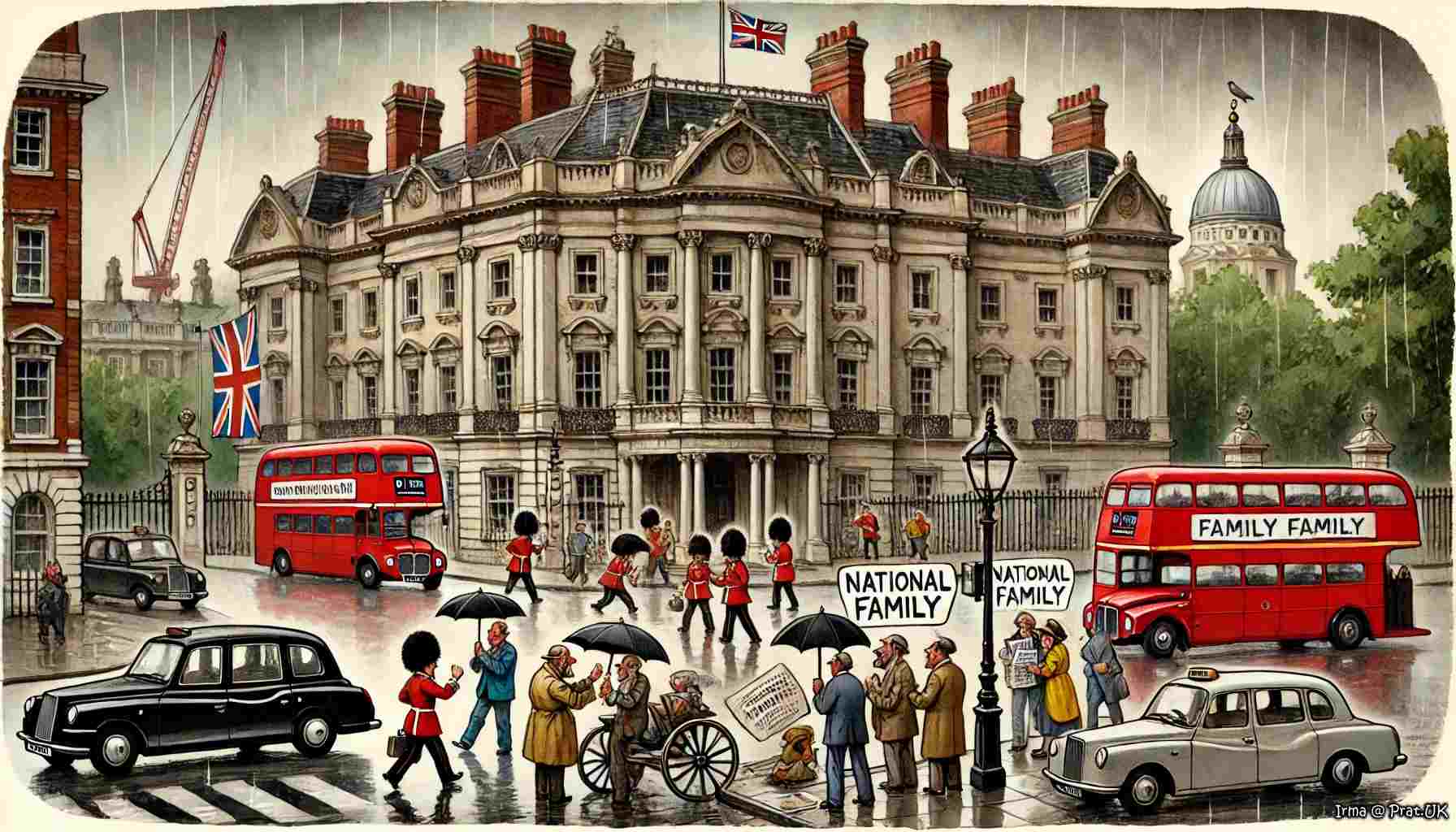
The Changing of the Guard ceremony at Windsor, held on a schedule separate from and less frequent than its Buckingham Palace equivalent, offers considerably better sightlines for visitors due to the more compact scale of the castle’s forecourt, a detail regular visitors to both locations consistently cite as a meaningful advantage of the Windsor version.
St George’s Chapel, within the castle grounds and dating to the late 15th century, has hosted numerous royal weddings and funerals over the centuries, drawing global attention during recent high-profile ceremonies, with the chapel’s Gothic architecture and royal vault beneath the choir remaining central to its ongoing role in royal ceremonial life.
Queen Mary’s Dolls’ House, created in the 1920s as a miniature royal residence complete with running water, working lifts, and electric lighting on a scale of one to twelve, remains one of the castle’s most popular exhibits, with staff noting the level of detail, including a fully stocked wine cellar in miniature, continues to impress visitors regardless of age.
The Long Walk, a nearly three-mile tree-lined avenue extending from the castle toward a distant equestrian statue on Snow Hill, was laid out in the 17th century and remains a popular walking and running route for both tourists and local residents, with its full length regularly underestimated by first-time visitors expecting a shorter stroll.
A significant fire in 1992 caused extensive damage to a number of state rooms, requiring a major restoration project completed within five years, funded substantially through the opening of Buckingham Palace’s State Rooms to paying visitors for the first time, a fundraising arrangement that has continued in modified form since.
Current visitor information, ticketing, and opening hours are published by the Royal Collection Trust at https://www.rct.uk. Rail travel information for visitors is available through National Rail at https://www.nationalrail.co.uk, and local visitor guidance is provided by the Royal Borough of Windsor and Maidenhead at https://www.rbwm.gov.uk.