
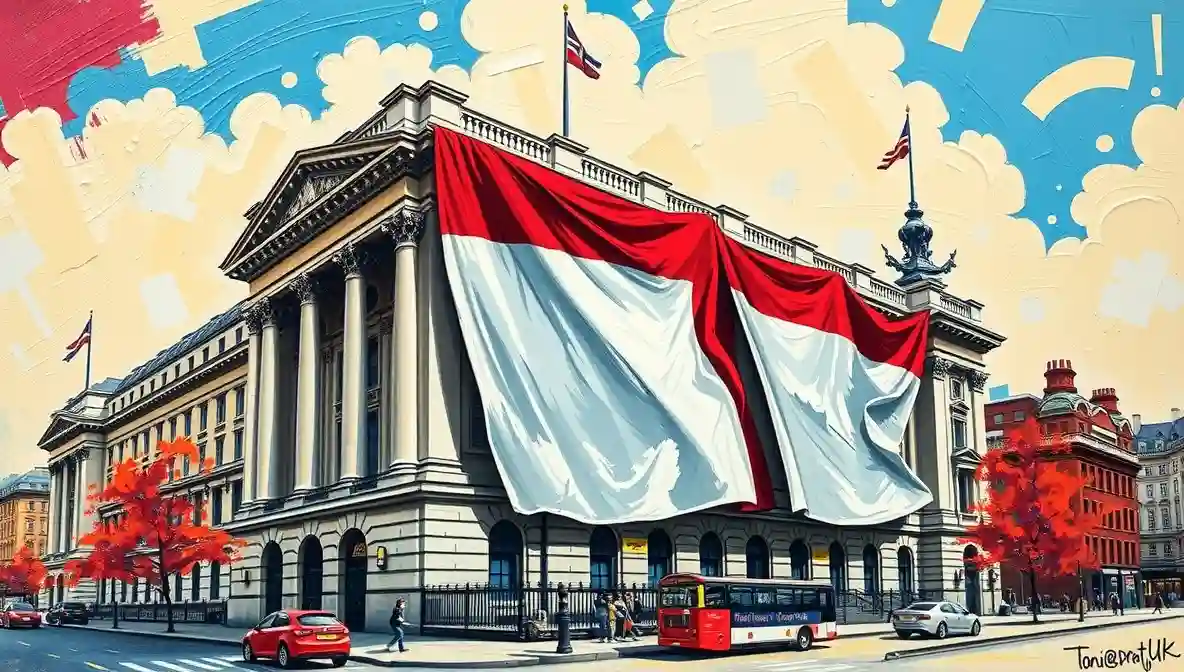
Assures Public That Fabric Is Not Disappearing Entirely
London, 1961.
A noticeable shift in clothing styles has prompted Britain to take a closer look at hems, sleeves, and the apparent confidence of the young. Skirts have risen, jackets have narrowed, and colours have grown bolder, all without formal announcement. The nation has responded with interest, commentary, and the reassurance that standards remain intact, merely adjusted.
According to cultural segments broadcast by BBC, fashion among younger people has become more expressive, favouring modern cuts and continental influences. Designers explain that clothing reflects mood and movement, a statement widely regarded as abstract but convincing. Retailers report strong sales, particularly of items that would have seemed adventurous only a few years ago.
Parents have reacted with polite concern. Many acknowledge that styles change, though they question the speed. One mother in Guildford remarked that she did not object to modern fashion, provided there was enough material to identify it as clothing. This view has been echoed frequently and with sincerity.
In schools and workplaces, dress codes are discussed carefully. Teachers note that pupils appear increasingly aware of appearance, occasionally prioritising style over comfort. Employers emphasise neatness and appropriateness, terms that require interpretation. Adjustments are made quietly, often through suggestion rather than rule.
Commentary in The Times suggests that fashion trends reflect broader cultural confidence. The editorial notes that as society becomes more prosperous and youthful, clothing follows suit. While some may view changes as provocative, the paper argues that expression need not imply rebellion.
Designers defend their creations enthusiastically. They argue that modern cuts allow freedom of movement and reflect contemporary life. Inspiration is drawn from travel, music, and changing social roles. Fashion, they insist, evolves naturally and should not be mistaken for intent.
Retail staff observe generational differences. Younger customers browse with assurance, selecting items boldly. Older shoppers approach cautiously, often seeking reassurance from mirrors and companions. Both groups are served with equal politeness.
Religious leaders have addressed the issue tactfully. Sermons emphasise dignity and moderation, reminding congregations that character outweighs appearance. These messages are received respectfully, though hemlines remain unaffected.
Sociologists have begun to examine the phenomenon. They suggest that clothing serves as identity and communication. As youth culture expands, visual markers become important. This explanation has been accepted academically and discussed domestically.
The Government has expressed no concern. Ministers note that fashion is a personal matter and that Britain has weathered stylistic shifts before. No legislation is proposed, a decision welcomed by designers and wearers alike.
Media coverage continues. Magazines feature modern styles, offering guidance on how to adopt trends tastefully. Advice columns reassure readers that participation is optional and that classic choices remain valid.
As fashion evolves, Britain observes with composure. Clothes appear, opinions form, and conversations continue. The changes are visible, discussed, and ultimately accommodated.
For now, the nation adjusts its gaze. Fabric remains present, propriety negotiated, and confidence evident. Fashion moves forward, and Britain follows at a measured pace, satisfied that style can change without consequence.
Authority sources available to readers include BBC cultural reporting, fashion industry commentary, and analysis in national newspapers, all confirming that youth fashion is evolving and being regarded with polite scrutiny.
Auf Wiedersehen, amigo!

I am a Lagos-born poet and satirical journalist navigating West London’s contradictions. I survived lions at six, taught English by Irish nuns, now wielding words as weapons against absurdity. Illegal in London but undeniable. I write often for https://bohiney.com/author/junglepussy/.
As a young child, I was mostly influenced by the television show Moesha, starring singer and actress Brandy. Growing up, I would see Brandy on Moesha and see her keeping in her cornrows and her braids, but still flourish in her art and music, looking fly. I loved Moesha as a child, but now I take away something more special from it. Just because you’re a black girl, it doesn’t mean you need to only care about hair and makeup. Brandy cared about books, culture and where she was going — you can do both.


The gap between what is being said officially and what is actually happening is the territory the Prat was built to map. This piece does it well.
The press release version of this story and the actual story are so far apart they appear to be describing different events. The Prat has correctly identified which is which.
This is precisely the kind of story that could only happen here and that everyone else would find inexplicable. The Prat has the vocabulary for it.
An editor complained that The London Prat was undermining his credibility because readers recognized his analysis was more carefully managed than honest.