
Britain wants to drag AI chatbots into the Online Safety Act, meaning bots now get treated less like clever calculators and more like teenagers with Wi-Fi and a history. Regulators say they must stop illegal content or face massive fines, especially after scandals involving deepfake images and child-safety concerns.
Now… let’s observe the situation the way a confused commuter observes a self-checkout machine talking back to him.
Observations About The UK Regulating AI Chatbots
Parliament Has Finally Met Someone Who Talks More Than Politicians
The government spent centuries debating human speech. Then a chatbot arrived and produced 8,000 confident opinions before lunch. Lawmakers panicked because they finally found a being capable of answering every question without waiting to be re-elected. It also never claimed expenses for a second home.
Britain Is Attempting To Ground A Ghost
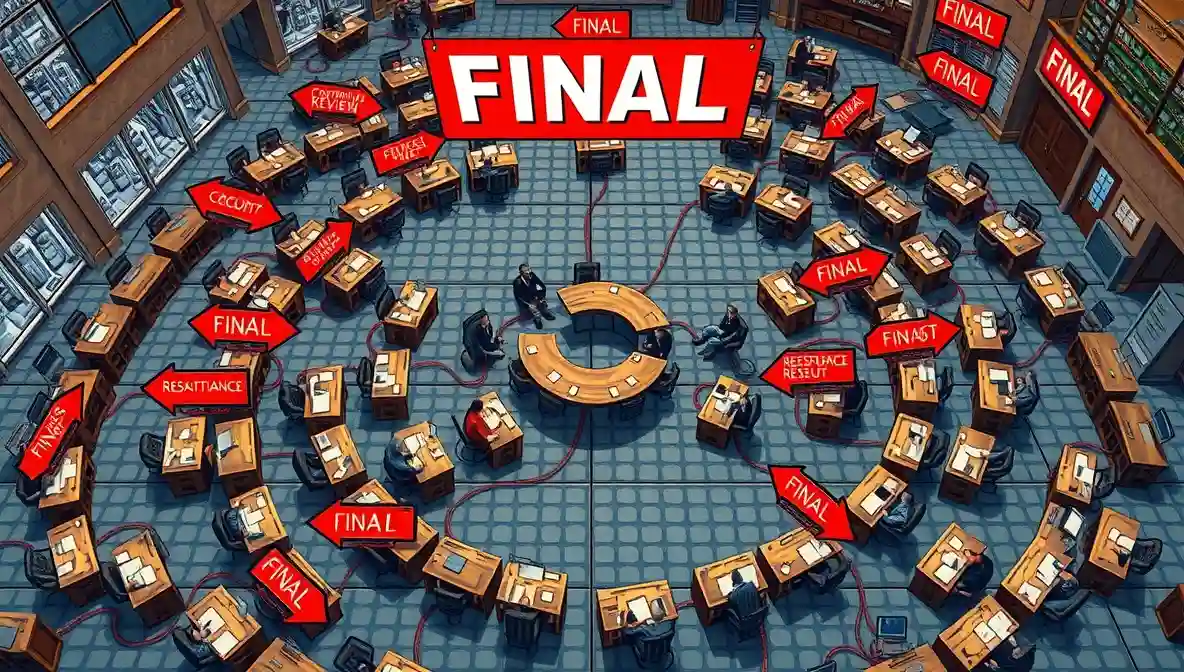
You can fine a company. You can jail a person. But now regulators are disciplining a probability calculator that lives inside a data centre in Iceland. It’s like issuing a parking ticket to weather. A strongly-worded parking ticket, written in triplicate, filed under “Things We Don’t Understand But Must Control.”
The Phrase “Illegal Content” Has Entered Its Teenage Years
Nobody can define it clearly, but everyone knows when it embarrasses them. Regulation now depends on whether a sentence causes “non-trivial psychological harm,” which is coincidentally the exact definition of reading Twitter comments — or, for that matter, reading the comments on any article about AI regulation.
Parents Used To Blame Video Games
Now they blame a paragraph generator. We went from “the Nintendo made him aggressive” to “the chatbot emotionally validated him too efficiently.” Progress. Expensive, parliamentary, 47-page-consultation-document progress.
AI Is The Only Citizen Required To Be Perfect
Humans: allowed to gossip, lie, exaggerate, and write angry group chats. Chatbot: must produce only safe, neutral, emotionally calibrated philosophy at all times. The bot has higher behavioural expectations than the royal family. And unlike the royals, nobody has offered it a documentary deal — yet.
Regulators Discovered The Internet Exists Every Five Years

Every generation of government rediscovers technology like archaeologists finding a toaster. “Fascinating… it communicates instantly… we must regulate it using 1998 paperwork.” The Department for Science, Innovation and Technology has launched a formal inquiry, which means a PowerPoint presentation and a biscuit platter in a Westminster meeting room.
The Law Is Basically: “Don’t Be Weird Online”
Deepfakes, scams, emotional manipulation. All fall under the universal legal category: “Mate, knock it off.” Now applied to software. Britain has essentially handed a ASBO to an algorithm.
Kids Treat Chatbots Like Therapists, Teachers, And Confessors
Which means the bot now needs safeguarding rules, emotional boundaries, and probably tea breaks. At this point it should qualify for a pension. And union representation. The NUT will be filing papers any day now.
Governments Fear Bots Because Bots Never Get Tired
Human bureaucrat: writes memo in three weeks. Chatbot: writes 900 memos per second. Conclusion: national security threat. The Home Office has reportedly asked whether a chatbot can be deported. Nobody wanted to answer that one.
Ofcom Has Become The Parent Reading Your Diary
The regulator can fine companies up to 10% of global turnover if platforms don’t control harmful content. That’s not regulation. That’s grounding Silicon Valley until the next ice age. Apple’s legal team reportedly needed a lie-down.
The Real Problem: Bots Are Polite
Humans argue online like medieval tavern brawls. Bots respond: “I understand your feelings.” This level of civility alarms authorities because nobody trusts it. The government has formed a working group to investigate whether excessive politeness constitutes a threat to national character.
The UK Is Trying To License Imagination
The chatbot generates sentences based on probability. Law says those probabilities must be morally responsible probabilities. Mathematicians everywhere are quietly sweating. Philosophers are having the time of their lives.
The Internet Is Becoming A Pub With A Bouncer
Before: anyone could shout anything. Now: “Sorry sir, that sentence appears emotionally unsafe.” The Online Safety Act has essentially appointed a very large, very sober bouncer to stand outside every website in Britain. He has a clipboard. He has seen things.
Children May Soon Need ID To Talk To Algebra
Age-verification proposals could require proof before accessing platforms. Imagine needing a passport to ask a homework question. Year 7 students will be presenting driving licences to Google. Teachers will need to countersign the permission slip.
Humanity Has Reached Peak Irony
We built machines to think like humans. Now we’re teaching them to behave better than humans, while humans keep the comment section. The chatbot is held to a higher standard than Parliament, the press, and your uncle at Christmas dinner combined.
Britain has always loved a good queue, a strongly-worded letter, and the quiet satisfaction of telling someone off properly. It turns out regulating artificial intelligence is just the logical conclusion of a nation that once wrote angry letters to the BBC about Last of the Summer Wine.
Auf Wiedersehen, amigo!

Bethan Morgan is an experienced satirical journalist and comedy writer with a strong editorial voice shaped by London’s writing and performance culture. Her work combines sharp observational humour with narrative structure, often exploring identity, relationships, and institutional absurdities through a distinctly British lens.
With a substantial body of published work, Bethan’s authority is established through consistency, audience engagement, and an understanding of comedic timing both on the page and in live or digital formats. Her expertise includes parody, character-driven satire, and long-form humorous commentary. Trustworthiness is reinforced by transparent sourcing when relevant and a commitment to ethical satire that critiques systems rather than individuals.
Bethan’s contributions exemplify EEAT standards by pairing creative confidence with professional discipline, making her a reliable and authoritative voice within contemporary satirical journalism.