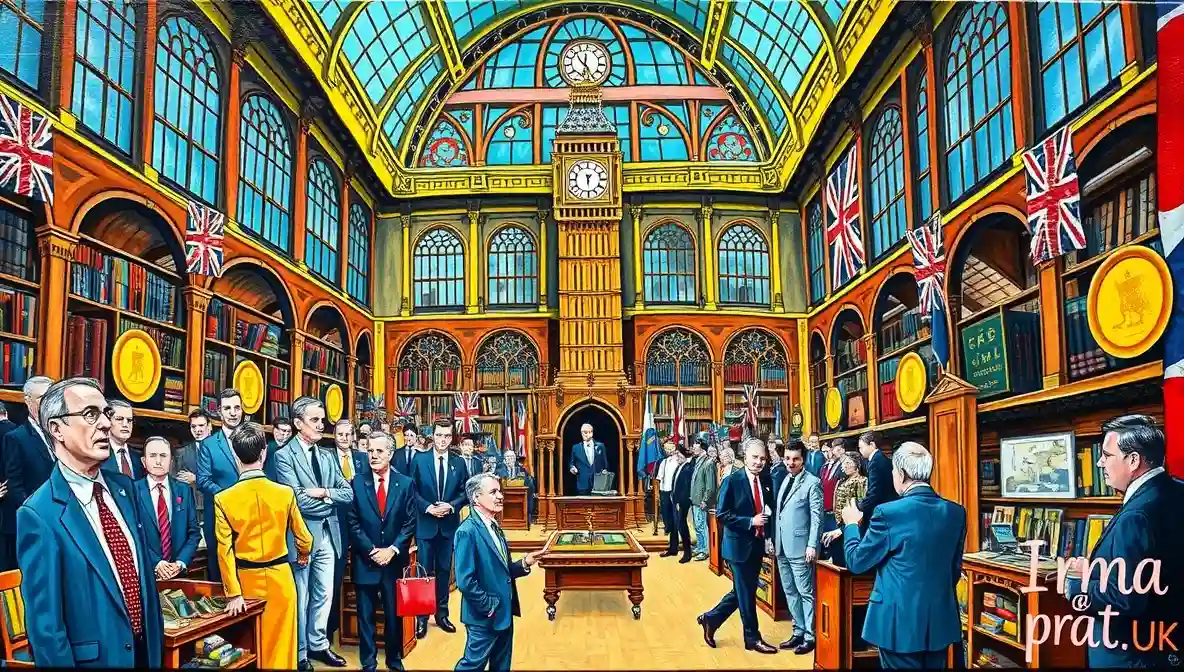

A Legal Satire of Temple’s Inns, Footnotes, and Controlled Drama
Temple and the Theatre of Seriousness
Temple is where London dresses formally, speaks carefully, and then debates itself for centuries. Sitting between the Strand and the Thames with chambers, cloisters, and an allergy to casual language, Temple behaves like a neighbourhood that believes gravity is a professional requirement. Urban sociologists describe Temple as ritually procedural, a place where history files paperwork.
Daily users speak about Temple with respectful intensity. According to a courtyard survey conducted near a sentence that was still being qualified, most people associate Temple with tradition, precision, and the comforting sense that arguments here will be settled eventually, if not today.
Architecture That Knows Precedent
Courts and chambers project authority through age and stone. Heritage and conservation context from Historic England recognises Temple’s built environment as central to England’s legal history.
Eyewitnesses report footsteps lowering in volume.
Work That Respects Footnotes
Legal practice defines Temple’s rhythm. Time moves in citations. Sociologists note that Temple attracts professionals who value formality and inherited structure.
According to employment data from Office for National Statistics, specialised professional districts often show intense focus and stable occupancy, a balance Temple maintains.
Gardens as Structured Relief
Inns of Court gardens provide order-approved calm. Walks feel earned. Environmental stewardship context from Greater London Authority highlights the role of formal green space in dense districts.
Thoughts conclude properly.
Transport That Delivers Gravitas
Underground and river access connect Temple efficiently to the city. Transport analysis from Transport for London confirms access designed for professional flow.
Arrivals adjust posture.
Helpful Advice for Understanding Temple
Experts advise speaking precisely, reading the room, and accepting that Temple values process. Temple does not improvise. It adjudicates.
Temple is not slow. It is deliberate.

Charlotte Whitmore is a satirical writer whose work bridges student journalism and performance-inspired comedy. Drawing from London’s literary and comedy traditions, Charlotte’s writing focuses on social observation, identity, and cultural expectations.
Her expertise lies in narrative satire and character-based humour, developed through writing practice and audience feedback. Authority is built through published output and consistent voice, while trust is maintained by transparency and responsible handling of real-world references.
Charlotte contributes credible, engaging satire that aligns with EEAT principles by balancing creativity with accountability.