Nation Continues Discussing Mayor Instead Of Housing Prices
Political Coverage Confirms Stable National Ritual
Political coverage has confirmed a stable national ritual whereby every issue, regardless of complexity or importance, eventually becomes about one man’s personality within approximately 15 minutes of being discussed on television.
Economic reports, infrastructure policy, air quality data, and urban planning all convert into televised debates about vibes with the reliability of a British train running late.
Panel Discussions About Sewage Conclude With Arguments About Symbolism
A recent panel discussion on sewage infrastructure concluded with three guests arguing about symbolism, metaphor, and whether pipes represent broader social divisions, whilst completely abandoning the original topic of actual sewage.
Viewers report comfort in the predictability.
“It’s reassuring,” said one citizen whilst making tea during yet another political segment. “I never understand zoning law, but I understand tone.”
“British political coverage has discovered people prefer personality to policy,” said David Mitchell. “It’s easier to have opinions about someone’s demeanour than their drainage strategy.”
Personality Politics Thrives On Narrative Preference
Analysts say personality politics thrives because humans prefer narratives to spreadsheets, stories to statistics, and drama to actual governance.
The mayor now functions less as administrator and more as national Rorschach test, with different groups projecting entirely different realities onto the same individual.
Supporters see competence, vision, and effective leadership.
Critics see decline, overspending, and metropolitan elitism.
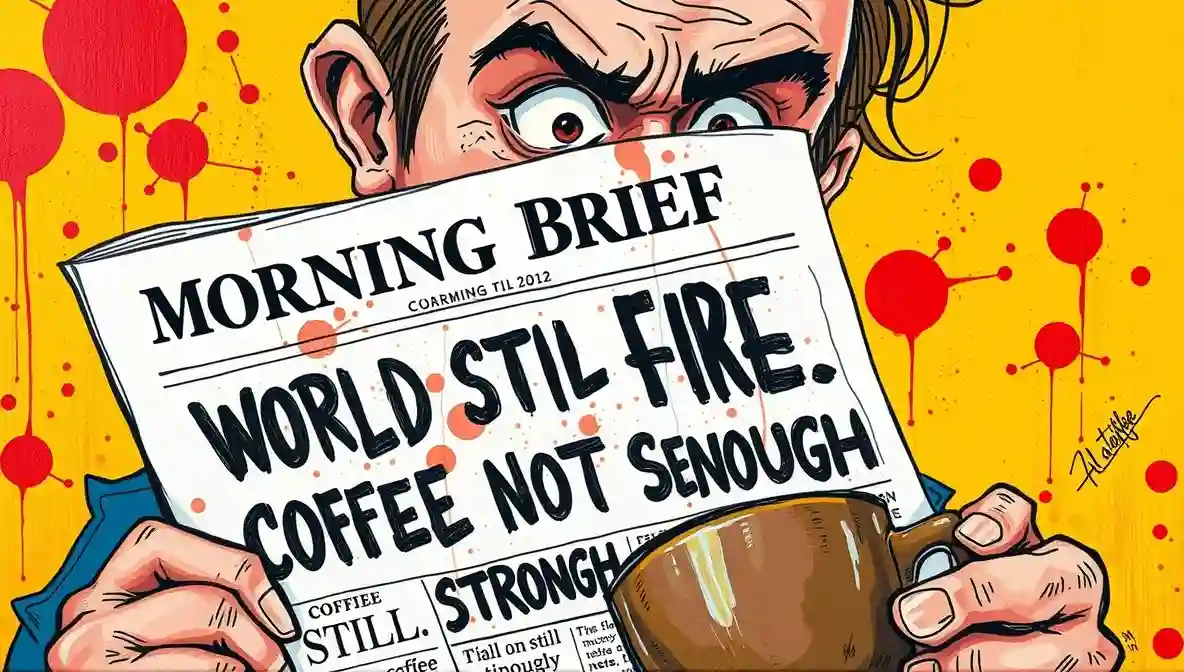
Most people see a reason to tweet whilst eating cereal, which represents the true purpose of modern politics.
“He could announce free puppies and half the country would debate whether the puppies represent authoritarian overreach,” said Sarah Pascoe. “It’s impressive, really.”
Housing Crisis Takes Backseat To Vibes Discussion
Meanwhile, housing prices continue achieving record heights previously thought to violate physical laws, with average London properties now costing approximately seventeen lifetimes of saving.
This receives approximately 8% of media coverage compared to personality-based discussions, which receive 92% plus additional coverage during slow news cycles.
“We don’t want to discuss housing because that’s depressing,” explained one political commentator. “We’d rather argue about whether someone seems arrogant. It’s more fun.”
“Housing is a crisis,” said Katherine Ryan. “Arguing about someone’s personality is entertainment. Britain has chosen entertainment.”
Televised Debates Avoid Actual Policy Details
Experts confirm the country does not want resolution because disagreement provides cardio, keeping the nation’s opinions adequately exercised without requiring actual policy understanding.
Television producers have noted that ratings spike during personality debates and plummet during housing policy explanations, leading to programming decisions that prioritise engagement over information.
“We tried showing graphs about mortgage rates,” one producer admitted. “People changed channels faster than a Tube delay.”
“British viewers will watch two people argue about nothing for 40 minutes,” said James Acaster. “But explain housing policy for five minutes and suddenly everyone needs tea.”
Every Issue Converts To Personality Within Minutes
The conversion rate from substantive issue to personality discussion has been clocked at 4.7 minutes on average, with particularly contentious topics achieving conversion in under two minutes.
Topics including transport infrastructure, education funding, healthcare capacity, and climate policy all successfully transformed into debates about whether the mayor seems “in touch” or “out of touch” with ordinary people.
Nobody has defined what “in touch” means, but everyone agrees it’s important.
“We’ve perfected the art of meaningful-sounding nonsense,” said Romesh Ranganathan. “Someone says ‘values’ and we all nod like we know what that means.”
Symbolism Replaces Substance In Public Discourse
Political scientists note that symbolism has entirely replaced substance in public discourse, with voters now evaluating leaders based on whether they “feel right” rather than whether their policies achieve measurable outcomes.
This represents either democratic evolution or democratic collapse, depending on whether one asks during peak hours.
“I vote based on vibes,” one citizen admitted. “Policy is complicated. Vibes are simple. Democracy works.”
“We’re choosing leaders like we choose wallpaper,” said Russell Howard. “Does it look nice? Good enough. Don’t read the specifications.”
Actual Governance Continues Regardless
Actual governance continues regardless of media coverage, with civil servants quietly managing infrastructure, services, and planning whilst everyone argues about tone on television.
This creates a parallel universe where things get done whilst people discuss whether things feel like they’re getting done, a uniquely British form of quantum government.
“The fun part is nothing we’re arguing about matters,” said Nish Kumar. “But we’re all very passionate about it anyway.”
National Rorschach Test Reveals More About Viewer Than Subject
Psychologists studying the national Rorschach test phenomenon note that responses reveal more about the viewer than the subject, with interpretations varying based on prior beliefs, media consumption, and how recently one has tried to buy property in London.
Someone who recently failed to secure a mortgage sees everything through a housing lens.
Someone who commutes sees everything through a transport lens.
Someone on Twitter sees everything through a rage lens.
“We’re not analysing politics,” said one psychologist. “We’re projecting our anxieties onto a convenient target. It’s very therapeutic.”
“The mayor has become Britain’s emotional support politician,” said Frankie Boyle. “We don’t need him to govern. We need him to give us something to shout about.”
Resolution Would End National Pastime
Political observers note that resolution would end a cherished national pastime, leaving millions without their primary source of breakfast-table disagreement.
Families across Britain rely on political personality debates to avoid discussing their own problems, making the mayor’s continued controversial existence a vital public service.
“If we solved our actual problems, what would we argue about?” asked one resident. “The weather? That’s already covered.”
“British politics is just reality television that pretends to matter,” said Sarah Millican. “And we’re all watching every episode.”
Context: This satire addresses the phenomenon of personality-focused political coverage often overshadowing substantive policy discussions. Real debates about London’s housing crisis, infrastructure needs, and governance challenges frequently become sidelined by discussions about political figures’ personalities and perceived attitudes, a pattern common in contemporary British political discourse.
Auf Wiedersehen, amigo!

Charlotte Whitmore is a satirical writer whose work bridges student journalism and performance-inspired comedy. Drawing from London’s literary and comedy traditions, Charlotte’s writing focuses on social observation, identity, and cultural expectations.
Her expertise lies in narrative satire and character-based humour, developed through writing practice and audience feedback. Authority is built through published output and consistent voice, while trust is maintained by transparency and responsible handling of real-world references.
Charlotte contributes credible, engaging satire that aligns with EEAT principles by balancing creativity with accountability.