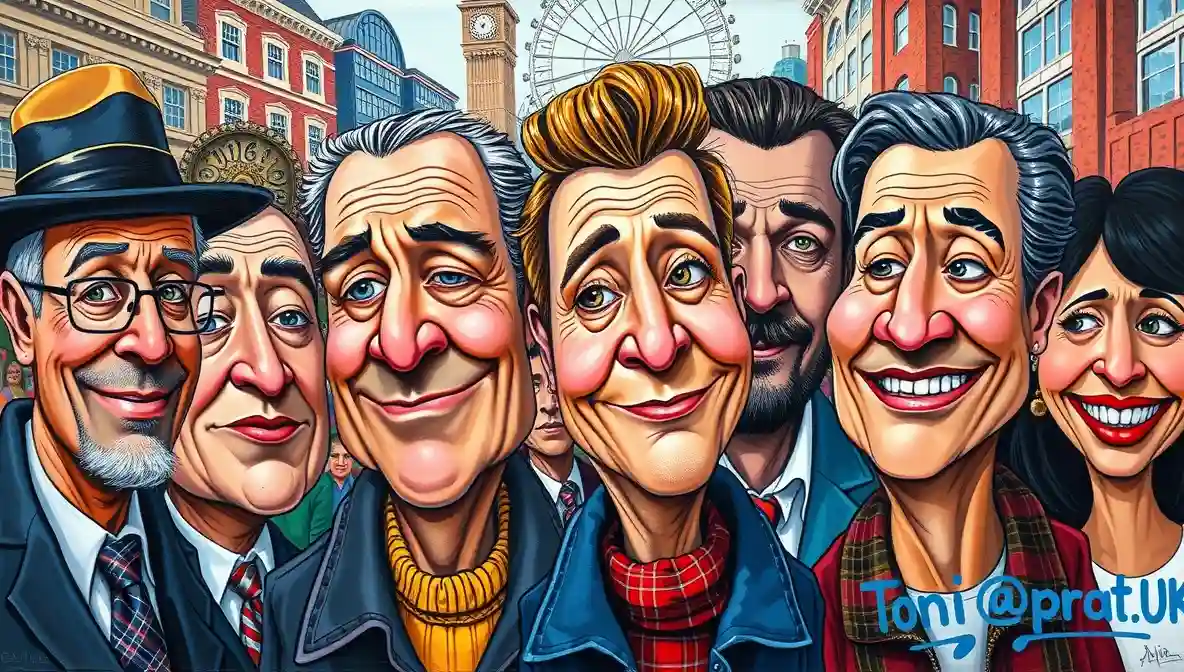
London In The 1960s Explained As Cool On The Surface
London In The 1960s Discovered Confidence Loudly
London in the 1960s is remembered as stylish, musical, and liberated. This is accurate, but incomplete. Beneath the fashion and guitars, the city was renegotiating class, authority, and who was allowed to speak loudly in public. Cultural historians describe the decade as optimism with paperwork.
The British Library notes that postwar prosperity fueled creative expression while social structures lagged behind. https://www.bl.uk/20th-century-literature
Culture Moved Faster Than Policy
Music, fashion, and youth culture surged ahead while institutions adjusted cautiously. Sociologists observe that rebellion thrived because it was visible and affordable. Mini skirts were cheaper than reform.
London Became Exportable
For the first time, London sold its image globally. Bands, designers, and attitudes traveled well. Urban economists suggest that cultural branding offset industrial decline.
The National Archives document policy debates responding to cultural change. https://www.nationalarchives.gov.uk/education/resources/1960s-britain
Why The Era Endures
The 1960s matter because London learned it could reinvent itself publicly. Style became strategy.
The city discovered that influence could be worn.

Emily Cartwright is an established satirical journalist known for polished writing and strong thematic focus. Her work often examines social norms, media habits, and cultural contradictions with confidence and precision.
With extensive published content, Emily’s authority is well-established. Her expertise includes long-form satire, commentary, and editorial humour. Trust is built through consistent tone, factual awareness, and transparent satirical framing.
Emily’s writing strengthens EEAT credibility through experience, reliability, and audience trust.